Palestinian Voter Turnout Alters Israeli Political Landscape
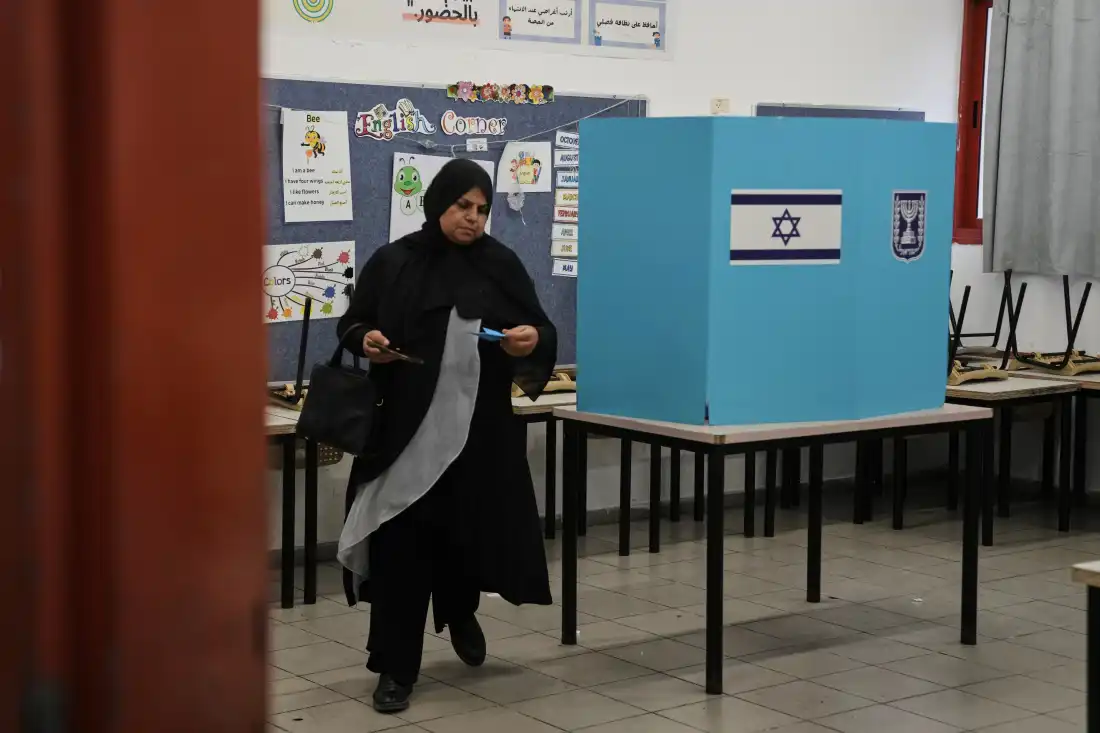
In recent years, many Palestinian citizens of Israel have avoided elections, feeling marginalized by the state that controls their lives and often oppresses Palestinians in the West Bank and Gaza. However, the latest election saw a surge in Palestinian Arab voter turnout. This shift significantly impacted the political landscape, challenging Prime Minister Benjamin Netanyahu’s far-right government and enhancing the influence of Arab-led parties.
Jamal Zahalka, chairman of the High Follow-Up Committee representing Palestinian citizens of Israel, stated, “We blocked the government of Netanyahu from continuing. It’s a historical achievement. I think our community found its strength.” Neither Netanyahu’s coalition nor his main opponent, Gadi Eisenkot, managed to secure the necessary 61 seats to form a government. Instead, Arab-led parties gained 19 seats out of 120, giving them a pivotal role in upcoming government negotiations.
“History is still unfolding,” said a speaker during a commemoration in Kufr Qasim for those killed in 1956 by Israeli border police.
The event, attended by hundreds dressed in black and wearing keffiyehs, highlighted ongoing Palestinian grievances. It underscored increased discrimination in Israel following the October 7, 2023, Hamas-led attacks, and the subsequent war in Gaza that resulted in over 74,000 Palestinian deaths. Netanyahu’s extreme right-wing actions in the West Bank, supporting settlers’ violence against Palestinians, aggravated the situation.
In response to worsening conditions, Palestinian citizens turned out to vote in unprecedented numbers. Intisar Sarsur, a 65-year-old resident of Kufr Qasim, said, “There is no freedom anymore. We are seeking our basic rights as human beings.” The Central Elections Committee reported a 64% increase in support for Arab-led parties compared to previous elections.
The Arab turnout provoked strong reactions from Netanyahu’s allies. On the election day, he labeled it an “emergency,” while allies suggested Arab parties engaged in illegal activities to sway votes. However, these claims lacked evidence according to police, and election officials confirmed no widespread fraud.
The election complicates potential alliances. Eisenkot, a former military chief with hawkish views, faces challenges in partnering with Arab parties due to increased anti-Arab sentiment. Despite his involvement in Netanyahu’s war cabinet, Eisenkot’s grouping requires Arab support to form a government, a politically risky move given the current climate.
Arab parties remain divided on their strategy post-election. The Joint List, holding a majority of Arab seats, hesitates to ally with Eisenkot due to ongoing conflicts. Yet, Ra’am, a socially conservative Islamic party, signals willingness to join the coalition under specific conditions.
President Isaac Herzog is consulting parties on forming a coalition, with an announcement expected soon. If no government forms within the initial 28-day mandate, further attempts or new elections may follow.
In Kufr Qasim, Mansour Shaaban noted his newfound sense of agency. Voting for the first time at 33, he emphasized the importance of combating racism and oppression. He acknowledged coexisting with Israelis, but criticized leaders like Netanyahu and Ben-Gvir for fracturing potential harmony. “Palestinian citizens have found their voice,” he asserted confidently.