Challenges Facing America’s Office Market
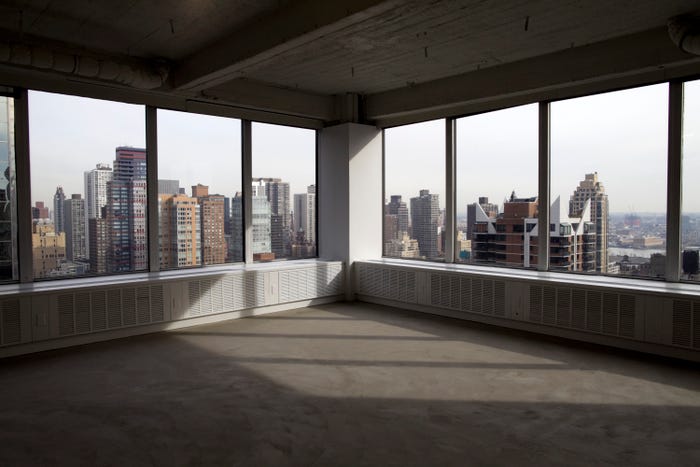
The American office market has repeatedly faced dire predictions of collapse over the past decade. Concerns over an apocalypse within the sector, fueled by the pandemic and looming debt maturities, created a tense atmosphere. Investors anticipated a surge in defaults and a sharp drop in office valuations. Surprisingly, such catastrophic outcomes did not materialize, and the market maintained its stability.
In 2023, the situation appeared grim as rising interest rates sparked discussions of a potential debt crisis in commercial real estate. However, America’s office market once again defied the bleakest forecasts. Yet, a shift in dynamics has changed expectations for the worse.
Rising Bond Yields and Market Pressures
This year, there has been a notable increase in bond yields. Market recalibrations reflect shifting expectations for inflation and interest rates, exacerbated by geo-political tensions and a fragile fiscal outlook.
Concerns have resurfaced that increased borrowing costs could destabilize commercial real estate, especially in secondary markets with weaker office properties. These “Class B” properties, located outside major metro areas, face higher distress levels. Persisting remote work trends add to their challenges, along with approaching refinancing waves.
Potential outcomes include defaults and key handovers to lenders, leading to fire sales and significant price drops of up to 40%, according to real estate experts speaking to Business Insider.
Current Market Metrics
The US office market faces mounting distress due to higher borrowing costs. Trepp, a CRE intelligence firm, indicates a delinquency rate near 12% for office loans, a notable increase from 2.5% in 2021. Newly defaulted office loans amounted to $6.8 billion in recent months, matching last year’s pace.
According to MSCI estimates, over 20% of office loans maturing in late 2026 face negative equity, with mortgage balances exceeding property values.
The benchmark 10-year US Treasury yield has surged to near 5%, reflecting a 67 basis point increase this year. This hike contributes to elevated distress levels among commercial mortgages.
Challenges and Possible Solutions
Rob Koonin, a real estate expert, alerted Business Insider that the impact of higher rates could manifest within a year. A 10% valuation decline for Class B buildings is plausible, worsening the plight of vulnerable investors.
Lonnie Hendry from Trepp notes that troubled properties may experience valuation declines up to 40%. Market conditions will vary, influencing the extent of these losses.
Shift in Lender Strategies
In the past, lenders extended support, attempting to adjust loans amidst financial strain. However, rising rates have reduced such flexibility. Borrowers face stricter requirements, needing additional cash or equity to refinance.
Options for lenders include choosing between accepting loan failures or selling properties at steep discounts. The market’s current state results in a dilemma of losses to be absorbed and asset markdowns.
Trepp reports significant debt maturities approaching, with $22 billion of office loans maturing in 2027 and substantial maturities in late 2026.
Despite challenges, experts foresee stabilization in property prices, potentially improving occupancy and transactional activity. Until then, the market continues to navigate who will bear the losses.