The Importance of Muscle Preservation During Weight Loss with GLP-1 Medications
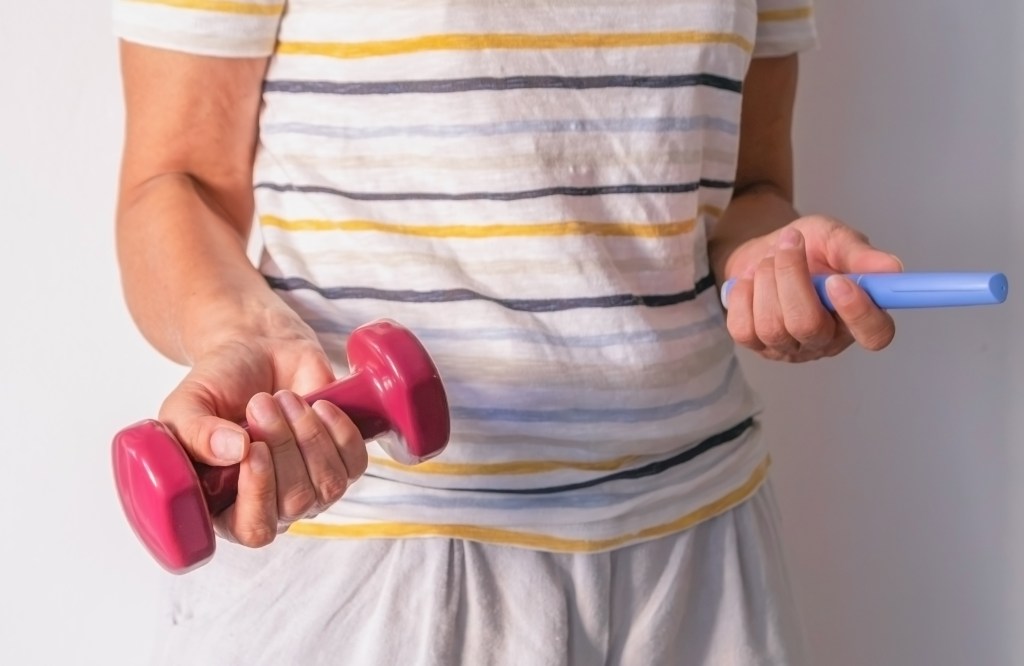
As more Americans opt for popular GLP-1 medications like Ozempic, Wegovy, and Zepbound for weight loss or diabetes management, maintaining muscle mass becomes crucial. Gallup reports that 11% of U.S. adults now use these drugs for weight loss, compared with 3% in 2024.
Research indicates that 25% to 33% of weight loss on these medications comes from lean mass, which includes muscle and other essential tissues. Gary Brecka, a biologist and longevity expert from Miami, Florida, shares strategies for muscle preservation.
The Critical Nature of Lean Mass Preservation
While GLP-1s can aid in weight loss, they also pose a risk of losing lean body mass. Brecka emphasizes, “When people say they want to lose weight, they often mean fat loss.” However, with GLP-1 medications, 20% to 40% of weight loss is lean body mass.
This lean mass consists of muscle, water, organs, blood, and connective tissues like tendons and ligaments. Preserving these is essential. According to Brecka, muscle preservation helps maintain independence in daily activities as we age.
Exercise and Strength
Exercise helps the body adapt and grow stronger. For GLP-1 users, comfort must sometimes be sacrificed to achieve goals. Brecka suggests starting with six minutes of daily resistance exercise.
People might assume resistance training requires 60 to 90 minutes daily, but shorter sessions can also be effective. Brecka recommends pairing strength training with adequate protein to maintain muscle during weight loss. Protein supports tissue building, including ligaments and tendons.
Incorporating Resistance Training
Time constraints can make lengthy gym sessions challenging. Brecka advises “snacking” on exercise, like doing planks or body-weight squats throughout the day. He also suggests resistance exercises using dumbbells or barbells for a full range of motion.
Exercise must be a daily habit. Brecka recommends at least three days per week for both resistance and cardiovascular training. Cardiovascular exercises can be simple activities like walking, which can be intensified by adding weight, such as a vest.
Role of Protein
Besides supporting muscle, protein provides amino acids crucial for building and repairing tissues. It is essential for maintaining lean body mass structures.
Current dietary recommendations suggest 1.2 to 1.6 grams of protein per kilogram of body weight daily, with specific adjustments for individuals on GLP-1 treatments. Patients should monitor any decline in energy or exercise ability and discuss it with their doctor.