Impact of SNAP Changes on American Families and Upcoming Medicaid Work Requirements
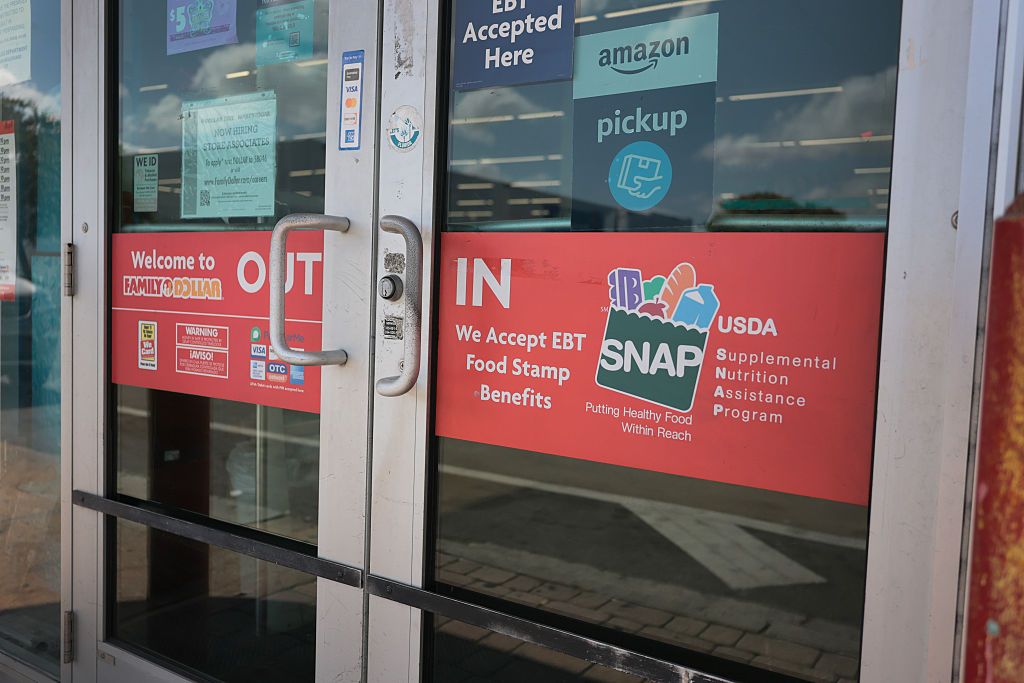
The Supplemental Nutrition Assistance Program (SNAP) has seen a significant decline in participation since the implementation of new policies under President Donald Trump in July 2025. Millions of Americans have left the program, including an estimated 2 million children, raising concerns about potential disruptions to health coverage as states prepare to introduce new Medicaid work requirements in January.
SNAP Participation Decline
Between July 2025 and July 2026, SNAP participation decreased by 5.5 million people, or 13 percent, according to data analyzed by the Center on Budget and Policy Priorities. The participation rate fell to 36.1 million, its lowest in 17 years. The organization reported approximately 2 million children stopped receiving benefits during this period. Medicaid and CHIP enrollment among children also declined by 2.56 million between January 2025 and August 2026.
Changes in SNAP Eligibility
The 2025 reconciliation law modified SNAP eligibility and work-related rules, leading to accelerated declines in participation. The Center on Budget and Policy Priorities notes the changes are not solely driven by the labor market, as unemployment remained around 4 percent nationally. SNAP participation fell in every state except Alaska.
Gina Plata-Nino, director of SNAP Policy and Advocacy at the Food Research & Action Center, states many families with children over 14 are meeting tough reporting requirements to maintain SNAP benefits. Failure to comply may result in losing essential food assistance.
Plata-Nino highlights that losing SNAP jeopardizes access to other nutrition programs and school meals, impacting children’s nutrition, health, and education.
Disputes Over Policy Impact
The Trump administration disputes that policy changes alone are responsible for the decline. A USDA spokesperson said SNAP remains an appropriated entitlement, meaning eligible families continue to receive benefits.
According to the USDA, participation shifts can arise from various reasons, noting some states experienced declines before the law’s enactment.
Dr. Lee Bowes, CEO of America Works, emphasizes that reporting work hours differs from assisting in finding employment. Barriers such as childcare, transportation, and job inconsistency affect people’s ability to maintain required work hours.
Effects on Family Finances
For families on tight budgets, losing SNAP can result in diverting spending from other necessities. Financial educator Michael Ryan indicates losing SNAP often leads to delaying bill payments, reducing transportation, and dealing with eligibility problems.
Ryan mentions how a skipped payment may lead to fees, fewer work shifts, and a difficult financial future for families.
Food Banks and SNAP Shortfalls
Triada Stampas, president of Fulfill, highlights increased dependence on food banks as SNAP participation falls. Fulfill now serves more than 150,000 people per month, up from pre-pandemic levels. Families may turn to food pantries or reduce grocery spending, but these efforts have limits.
Stampas notes that understanding and navigating work requirements is a challenge for many, with paperwork errors contributing to benefit losses despite continued need.
State Costs with New SNAP Rules
Beginning October 1, 2027, states will bear part of the SNAP benefit costs, linked to payment error rates. CBPP projects these costs could reach $9 billion based on 2025 projections and error rates.
Bowes argues that states face the challenge of implementing these changes without adequate staffing or funding, increasing pressure on support agencies.
Upcoming Medicaid Work Requirements
Starting January 1, 2027, states will enforce new Medicaid work requirements for specific adults under Medicaid expansion and waiver programs. Adults must demonstrate 80 hours per month in qualifying activities.
The Trump administration aims to promote employment and independence through these requirements. However, KFF expresses concerns about the overlapping effects on families receiving SNAP and Medicaid, with projections indicating substantial increases in uninsured individuals over the next decade.