Renewed Conflict in Tigray Strains Ethiopia’s Fragile Healthcare System
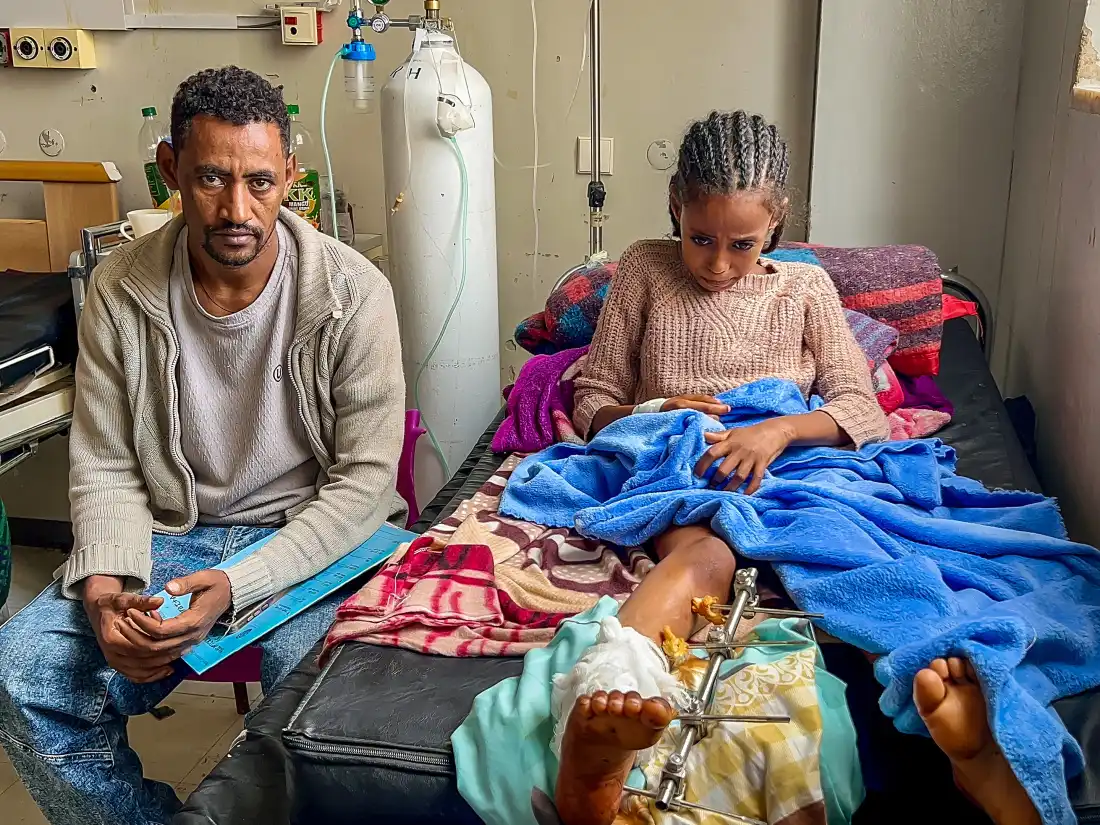
Betelhem, a 10-year-old girl, rests beside her father in Ayder Referral Hospital in Mekelle, Ethiopia. She was injured during an artillery attack in Alamata. The clash began on September 23 between the rebel Tigray People’s Liberation Front and federal forces, raising fears of returning to the civil unrest from 2020 to 2022. This resurgence has heavily burdened the healthcare system.
According to a local surgeon, the situation was chaotic for nearly a week as communication and electricity were cut. The collapse of a two-year ceasefire on September 24 brought numerous injured individuals to Mekele, challenging medical staff to treat the influx. Fear of retaliation for assisting rebel fighters led the surgeon to remain anonymous.
The operating rooms filled quickly with trauma patients. The surge raised alarms of another civil war. Allegations emerged that Sudan, Egypt, and Eritrea were supporting Tigrayan militants aligned with seven Ethiopian rebel factions aiming to overthrow Prime Minister Abiy Ahmed. Late October drone strikes resulted in at least 15 deaths, including children. World Health Organization Director-General, Tedros Adhanom Ghebreyesus, expressed on X (formerly Twitter) that the ongoing conflict threatened the fragile health system’s collapse.
The surgeon recalled performing numerous operations amid service cuts and uncertainty about incoming patient numbers. The disruption followed signs earlier in May when the federal government cut funding to Tigray, including hospitals, after Tigrayan rebels replaced regional authorities.
Tedros, a Tigrayan and former Ethiopian Health Minister, shared the personal impact of the conflict. He highlighted staff, medicine, and ambulance shortages, pointing to efforts by WHO and the U.N. to supply medical aid to affected areas. The violence endangers healthcare access, necessitating civilian protection.
Public health experts warn of escalating attacks on healthcare in conflict zones, considered war crimes. In 2026, strikes on healthcare facilities in 19 countries resulted in 960 deaths, based on WHO data. Recent facility attacks in Pakistan, Sudan, Lebanon, and Ukraine illustrate the eroding norm of protected healthcare.
Despite a 2022 peace deal, attacks on healthcare continued. Over 600 health workers reported incidents, such as ambulance attacks and facilities occupied by armed groups. These actions targeted resources and healthcare accessibility.
Physicians for Human Rights documented retaliatory attacks impairing healthcare delivery. Efforts to seek justice remain inaccessible. NPR’s outreach to Ethiopia’s Foreign Ministry and the Prime Minister’s Office yielded no response. Northern Ethiopia’s combined experience of targeted healthcare destruction and foreign aid cuts left little room for recovery.
A health worker anonymously reported that more than 100 women died in childbirth within the past year, attributing deaths to healthcare deprivation. Independent studies during the Tigray war showed a fivefold increase in maternal mortality, and 83% of facilities unable to serve pregnant women. Additionally, systemic rape was reported as a war strategy.
Ayoda Werede, from Health Professionals for Tigray, noted that although health centers haven’t been targeted, other groups have looted supplies. The resurging conflict threatens an already overburdened healthcare system, raising concerns over future medical capability.
The surgeon voiced fears about security and losing medical personnel. He stressed the recurrence of past issues as Tigray’s doctors leave the country.