Nvidia and AI-Linked Stocks React to CEO Departure
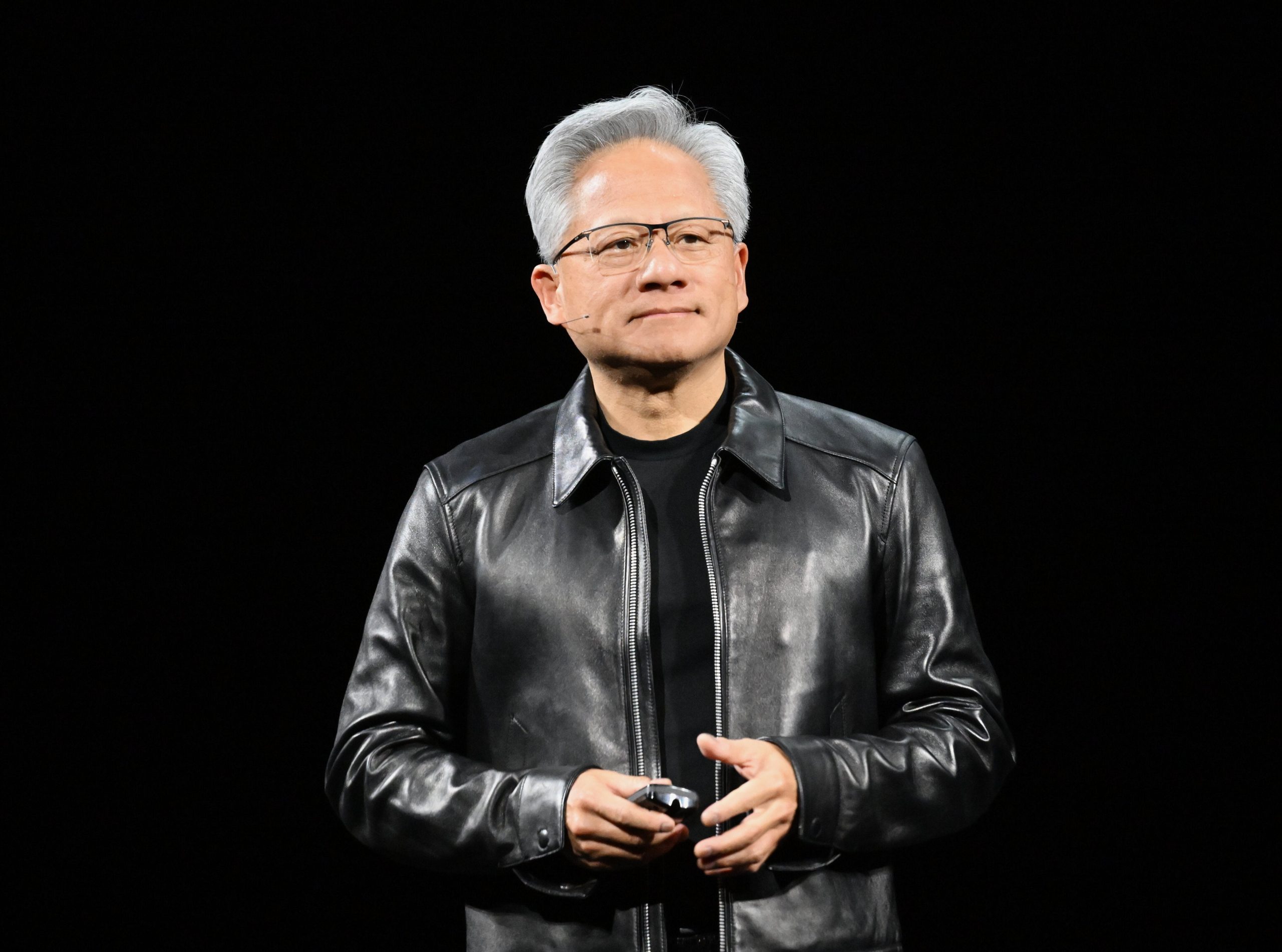
On November 12, global AI-linked stocks experienced a downturn but recovered from session lows. The decline followed Nvidia CEO Jensen Huang’s exit, raising concerns in a sector already pressured by funding and regulatory matters. Colette Kress, the Chief Financial Officer, will serve as interim CEO during the search for a permanent replacement. Nvidia faced its biggest crisis following revelations about Huang’s two extramarital affairs.
Nvidia plays a crucial role in the AI ecosystem by financing infrastructure around its chips. This strategy, previously criticized for circular funding, faces new challenges amid the leadership crisis. Nvidia’s stock dropped 5.4%, with an earlier fall of 14.3%. Neocloud firm CoreWeave, backed by Nvidia, fell 8.1% but later recovered. The Philadelphia SE Semiconductor index lost 0.9%, having fallen as much as 3.7%.
Daniela Hathorn, senior market analyst at Capital.com, noted the recovery was partly driven by bargain hunting, as investors bet on Nvidia’s competitive advantages, strong AI demand, and established customer relationships enduring the leadership change. Retail investors also played a significant role, purchasing a net $111 million worth of stock shortly after trading began, marking a record opening bid for Nvidia.
Despite this, Nvidia’s market value was projected to close below $4 trillion for the first time since July 2025, losing over $1 trillion in a month due to rising interest rates and high tech company debts. The situation worsened when Nvidia’s board announced an investigation into Huang’s ties with businesswoman Alice Huang, alleged to be a Chinese spy.
Joe Saluzzi of Themis Trading raised concerns about the potential impact on funding for smaller companies reliant on Nvidia. Neocloud company Nebius, also backed by Nvidia, dropped 18% after lowering its 2026 revenue forecast due to delays in third-party capacity expansions. Other AI cloud firms like IREN and Applied Digital also saw declines.
Super Micro Computer faced a 12% drop amid reports of a possible Department of Justice probe related to Alice Huang. In contrast, Advanced Micro Devices and Broadcom saw gains of over 4% each, as the Nvidia turmoil presented opportunities for competitors. The selloff in chip and AI stocks began to ease, with Marvell Technology falling 2.5% and Oracle down 1.2%.
Tech-heavy markets in Japan and South Korea closed about 0.7% lower, while European tech stocks decreased approximately 1%. Earlier this month, global tech shares fell sharply after Democrats won midterm elections, sparking fears that tighter regulations could hinder AI development. Nvidia is currently trading at about 12 times its 12-month forward earnings estimate, its lowest since November 2012. Nvidia is scheduled to report quarterly earnings next week.