Young Engineer’s Stroke Case Highlights Growing Trend Among Adults
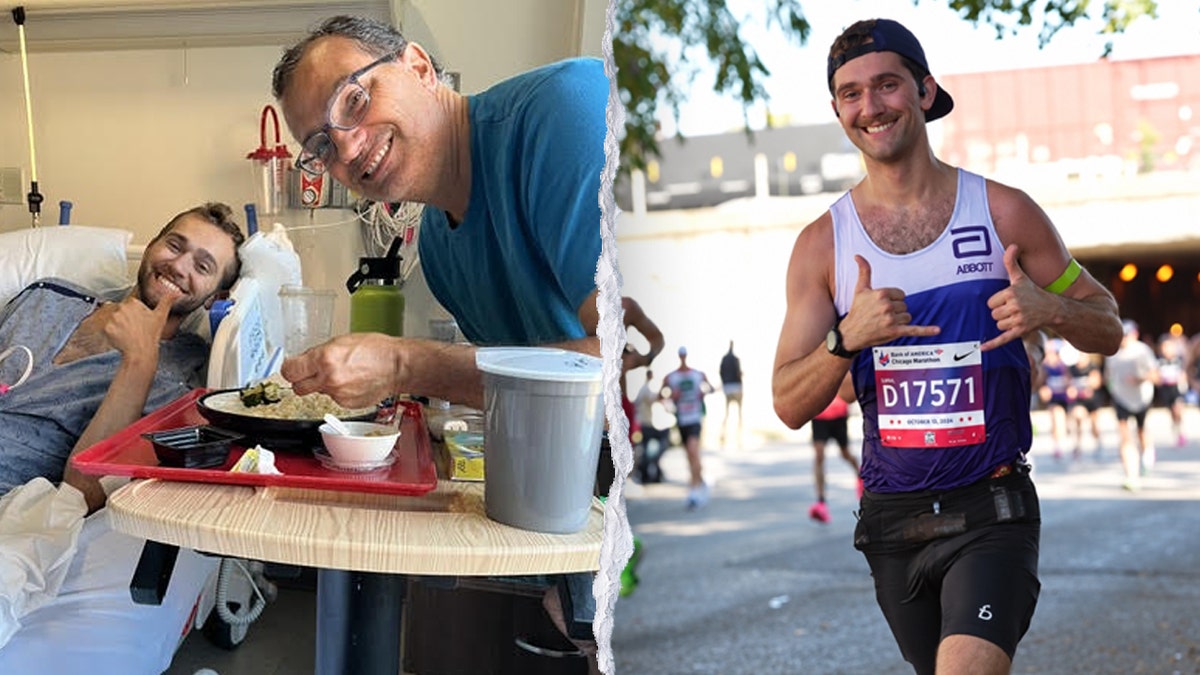
Patrick Mascoli, a 27-year-old engineer and fitness enthusiast from Boston, unexpectedly experienced a severe health crisis. Despite his active lifestyle, involving running 40 miles weekly, he faced a life-threatening stroke.
Unexpected Symptoms and Initial Misinterpretation
In July 2024, after a long run and a gym session, Mascoli suddenly felt extreme pain on the right side of his brain. He mistakenly thought it was a fainting episode, a condition he had suffered in the past. His vision grew blurry, and he struggled to control his movements. As he attempted to stand, his legs didn’t respond properly, causing him to collapse.
Mascoli managed to reach out to his sister before losing control and vomiting on the floor of the gym’s locker room. Despite considering a stroke, he dismissed it given his young age and fitness level.
When his sister arrived, Mascoli was drenched in sweat. Emergency responders initially suspected dehydration, given his recent outdoor activities. It wasn’t until a CT scan and an MRI at Boston Medical Center that the actual cause—a stroke—was identified.
Discovering the Underlying Cause
Mascoli’s doctors began searching for the stroke’s cause, testing for various conditions without clear results. A heart ultrasound revealed a patent foramen ovale (PFO), a small hole in the heart that hadn’t closed after birth. In rare cases, a clot can pass through the PFO to the brain, causing a stroke.
Overcoming Uncertainty and Fear
After learning the diagnosis, Mascoli felt anxious about his future. With the help of therapy, his mobility improved, though some fine motor skill challenges remained. To reduce future risk, he underwent a procedure to close his heart’s PFO.
Despite the anxiety returning to physical activity, Mascoli completed the Chicago Marathon in 2026. His sister’s support during his initial crisis was pivotal, and he emphasized patience and self-care in recovery. “Just take as many steps as you can,” he advises others recovering from health emergencies.
Understanding Stroke Risks and Symptoms
Dr. Dheeraj Khurana, a cardiologist, notes that strokes are rising among young adults. Key risk factors include high blood pressure, smoking, cholesterol issues, and certain heart and artery conditions. Strokes can cause dizziness, vision changes, and speech problems, often mistaken for less serious issues, especially in active young adults.
Dr. Sean Levchuck suggests young adults maintain an active lifestyle, replace fluids after intense exercise, and avoid smoking to minimize stroke risk. He emphasizes that stroke symptoms require immediate medical attention regardless of age or fitness level.