Texas Public Schools Face Unprecedented Enrollment Decline
Texas public schools expect to see a drop of over 135,000 students this academic year, marking the largest single-year enrollment decline in records dating back to the late 1980s. Preliminary data indicates enrollment will hover just above 5.3 million, a 2.5 percent decrease from last year. This drop surpasses the 122,000-student decline observed during the peak of the COVID-19 pandemic.
Demographic Trends and Their Impact
Texas Education Commissioner Mike Morath highlighted demographic trends indicating fewer children are entering Texas schools. A significant decrease in births following the Great Recession, along with another decline during the pandemic, is now translating into lower school enrollment. These smaller birth cohorts are now reaching school age, leading to noticeable impacts on school registrations.
Schools Coping with Change
Houston ISD, as the state’s largest school district, is experiencing around a 10 percent decrease in students, falling to approximately 159,000 by 2026. Commissioner Morath warned that for most Texas public school systems, downsizing is becoming a necessity, with schools closing across the state and cuts being made to electives, programs, and teaching positions.
Political and Community Responses
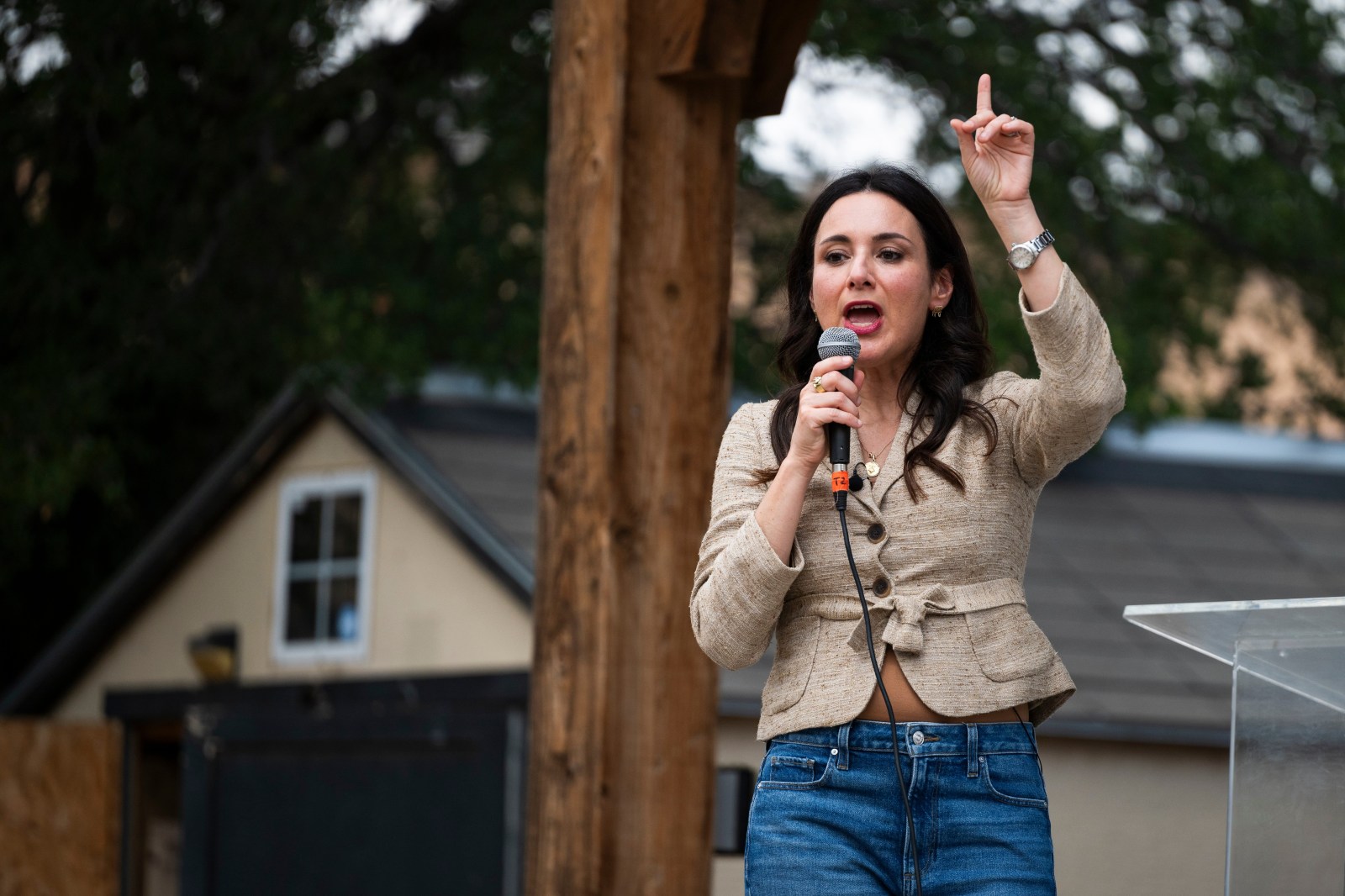
Democratic Governor-elect Gina Hinojosa addressed the enrollment issue during her campaign, noting school closures throughout Texas, such as 10 schools in Austin, which will significantly impact communities. School shutdowns are also proposed in Fort Worth, El Paso, and Corpus Christi, with ripple effects felt across the state.
Migration and Birth Rate Influences
Despite Texas’s rapid population growth, with an increase of more than 2 million since 2020, net international migration has sharply declined due to immigration policies. The U.S. Census Bureau anticipates this trend to continue. Robert Sanborn, president and CEO of Children at Risk, noted that immigration has played a crucial role in Texas’s school enrollment trends.
Sanborn suggested that without immigration, the state will continue to see declining enrollment numbers. The number of students learning English has decreased, further indicating fewer immigrant students in Texas classrooms.
Where Are the Students Going?
Research by Texas 2036 highlighted that public schools are losing market share even in growing counties. More than 40 percent of these districts have not experienced enrollment increases. Charter schools have been attracting an increasing number of students, staying within the publicly funded education framework.
Public-school enrollment has fallen from around 89-90 percent to about 85-86 percent over the past decade. Homeschooling and private-school enrollments are also seen as factors contributing to these trends.
Sanborn mentioned that Texas’s $1 billion education savings account program is not the primary factor for the decline, though it raises concerns about public education quality.
Financial and Operational Challenges
The enrollment decrease poses significant challenges for school districts as state funding is closely linked to attendance figures. Even as enrollment drops, the number of students needing special education services is expected to rise, creating dual pressures on budgets and resources.
Districts may need to implement budget cuts, adjust staffing, and consolidate schools in response to these enrollment challenges. Already, several Texas districts are dealing with underused facilities and excess classroom space. Education analysts predict this trend will continue if enrollment declines persist.