Chicago Mayor Faces Challenges Amid Fiscal Struggles
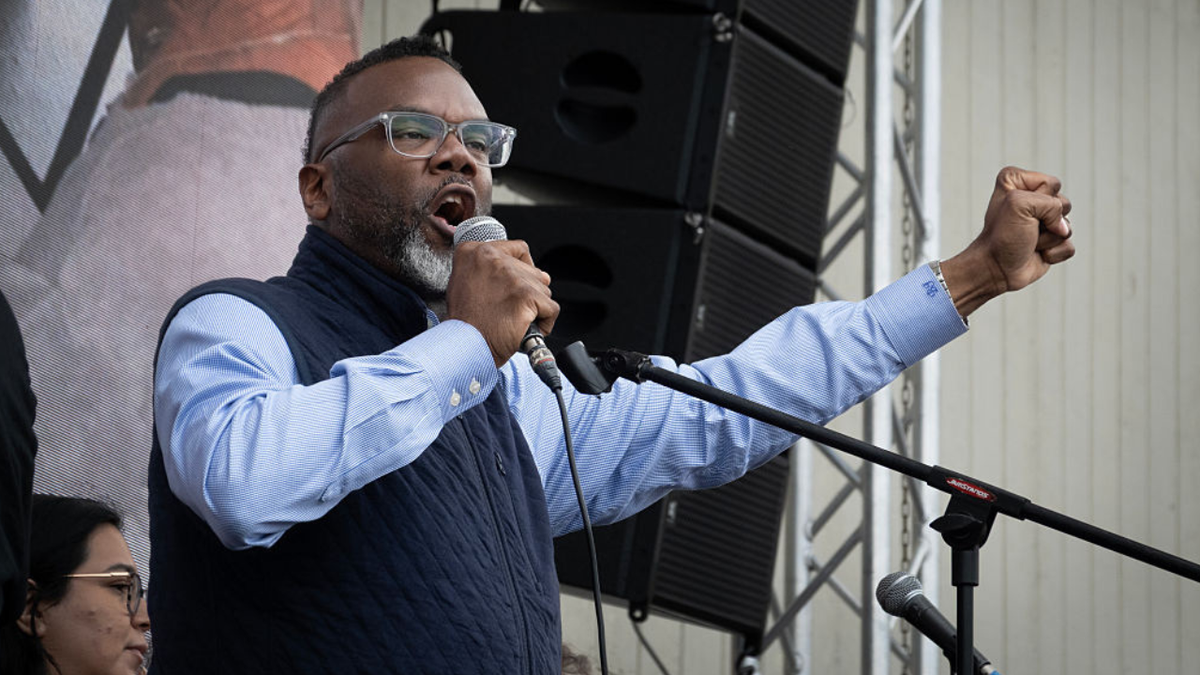
Chicago Mayor Brandon Johnson is working to secure a place on the 2027 ballot while wrestling with significant fiscal and leadership issues at City Hall. Election officials are currently reviewing challenges to over 25,000 of Johnson’s nominating signatures ahead of the upcoming mayoral election on February 23, 2027. This comes at a critical time, marked by his third chief financial officer’s resignation in just ten months, Chicago’s credit rating being placed on negative watch by Standard & Poor’s, and the City Council voting to investigate three years of city financial reporting for possible inaccuracies.
Despite these hurdles, Johnson remains confident about his election prospects. In an interview with ABC 7 Chicago, he expressed assurance regarding his ballot challenge, stating, “Yeah, feeling just fine, I’m going to be on the ballot. Looking forward to building the safest, most affordable big city in America, and we’re going to continue to do that work.”
Johnson’s campaign needs 12,500 valid signatures to qualify for the ballot. As of now, hearing officers at the Chicago Board of Elections are reviewing the signatures challenged by supporters of frequent mayoral candidate Willie Wilson. The campaign reported that 6,718 signatures went unchallenged and projects that they will conclude with 14,788 valid signatures if the initial validation rate of 32% is consistent. However, this figure remains an estimate pending a final board tally. Objectors claim early decisions are favoring their objections, and the review process is ongoing.
The situation at City Hall has been exacerbated by the sudden resignation of chief financial officer Ashlee Gabrysch, who cited threats to her integrity and professional duties as reasons for her departure. Johnson commented that she “wasn’t the right fit.” This marks another significant leadership change and reflects the ongoing uncertainty within his administration as a mayoral election looms. David Greising, CEO of the Better Government Association, remarked on the evident turmoil and lack of direction.
Public perception of Johnson’s performance seems to be mixed. A NORC survey conducted at the University of Chicago with 1,108 adults from September 13-23 showed that 22.2% approved of his work, 52.9% disapproved, and 24.8% were indifferent. This data predates the current signature review and Gabrysch’s resignation.
At the same time, Chicago residents are calling for heightened police presence amid rising crime rates in the city. Johnson has presented a proposed $17.6 billion budget for 2027, aiming to close a $882.4 million deficit. However, a significant group in the City Council expressed doubts about passing his tax plans.
Standard & Poor’s placed Chicago’s BBB general-obligation rating on negative CreditWatch, citing the ongoing budget impasse and managerial instability. This rating warns of more than a 50% chance of a downgrade within 90 days, which could increase the city’s borrowing costs.
The City Council later voted 45-5 to authorize an independent examination of three years of financial reports for potential material or intentional misstatements.