Challenges in California’s Film Industry as Production Shifts Out of State
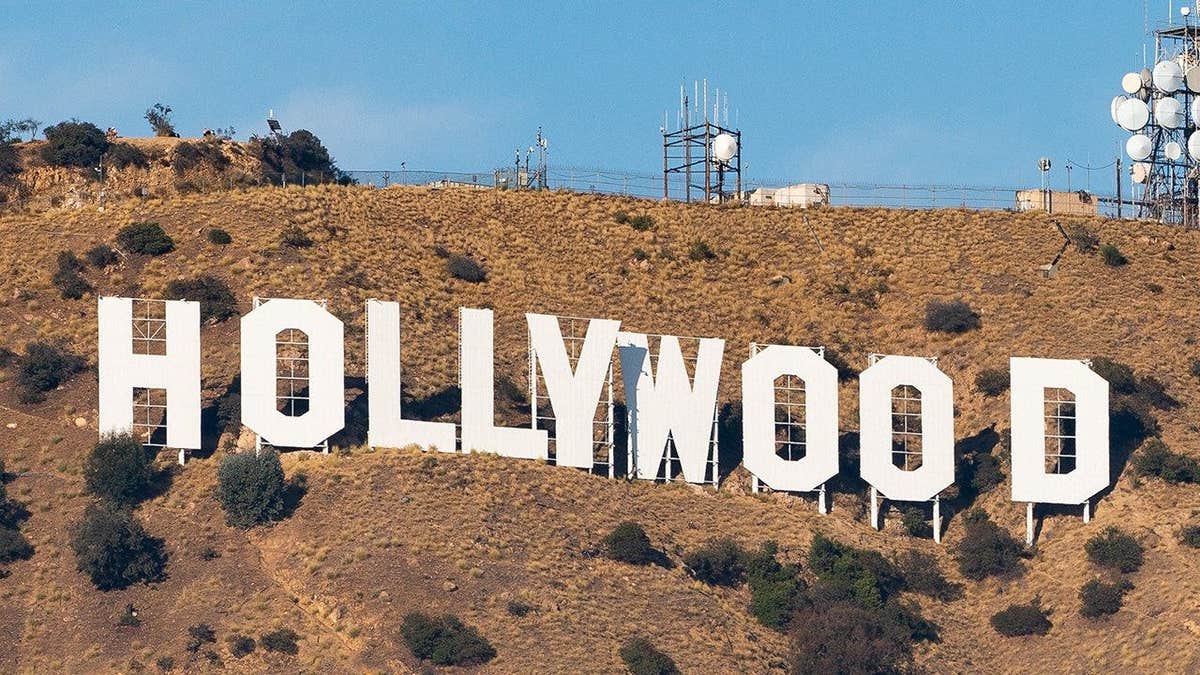
The film industry in California faces growing difficulties as many productions relocate to more welcoming states like Georgia and New Jersey. This trend is largely due to the complex bureaucratic hurdles and high costs associated with filming in California.
Former President Donald Trump highlighted this issue, emphasizing his plans to revitalize Hollywood. In October, he stated at a rally, “Hollywood doesn’t mean Hollywood anymore. Hollywood is empty.” His comments reflect the realities faced by the industry today.
“Hollywood is empty,” Trump said at a rally, reflecting the industry’s shifting landscape.
In recent developments, Trump focused on retaining film and television production within the USA. This push comes after a surge in productions moving abroad seeking cost savings and better tax incentives. Trump, joined by political figures like Sen. Adam Schiff, promoted the Motion Picture, Television, and Entertainment Revitalization Act, aiming to restore domestic industry activity.
Hollywood’s production days in California have decreased by approximately 40% since 2023, as reported by FilmLA. The challenge lies in competing with other states, which offer more enticing incentives.
California’s program has a cap of $750 million in tax credits, which Governor Gavin Newsom aims to expand to $1 billion. Comparatively, states like New York and Georgia provide unlimited credits, making them attractive choices for film studios. Jason Fisher, CEO of Stagerunner, observed that other countries adopted similar strategies over the years, leading to significant industry growth.
The proposed bipartisan legislation suggests a 20% federal production incentive to bolster production. This proposal aligns with successful international incentives, furthering the competitiveness of domestic production.
New Jersey stands out by attracting substantial industry investments. In less than a decade, its spending rose from $67 million to over $1 billion. The state offers a 35% rebate, which includes ‘above the line’ productions, boosting its appeal.
Fisher pointed out that California’s lengthy application process discourages producers. The state’s capped incentives add uncertainty, compared to states where producers do not face restrictive limits.
Industry experts suggest that without significant changes, California may continue losing the edge. Investments in production infrastructure in states like Texas and New Mexico signal a shifting industry landscape.
As noted by Fisher, “When there’s no cap, you don’t have to fill out an application and be accepted…and that makes it a lot easier for producers.” Many studios now establish permanent infrastructure outside California, contributing to a new production hub landscape.