America’s Power Grid Faces Equipment Shortage Threat
A recent study from Johns Hopkins University highlights an imminent challenge for America’s power grid. The research warns of a looming shortage in transformers and other essential grid components by as early as 2027. This shortfall could severely impact power delivery to homes and emerging data centers.
Why the Shortage Matters
Key findings suggest that a lack of critical equipment may delay new power plants and renewable energy installations. This includes infrastructures needed for electric vehicles and AI data centers. Without ample transformers, new electricity sources cannot connect to the grid efficiently.
This type of equipment was taken for granted, but without it, you can build a data center or a power plant but it won’t be powered because you cannot connect it to the grid,said lead author Yury Dvorkin.
Dvorkin points out that consumers will likely see higher electricity bills and face more frequent power interruptions. In his discussion with Newsweek, he mentioned that the shortage would impact consumers financially through increased electric bills and decreased reliability of power services.
Many existing transformers are old and nearing the end of their lifespan. These components play an unseen yet vital role; they facilitate the transfer of every unit of electricity from production to consumption. Dvorkin warns that when transformer availability is low, utilities face bidding wars, pushing costs onto consumers. As a result, producing and delivering electricity becomes costlier.
Understanding Transformers
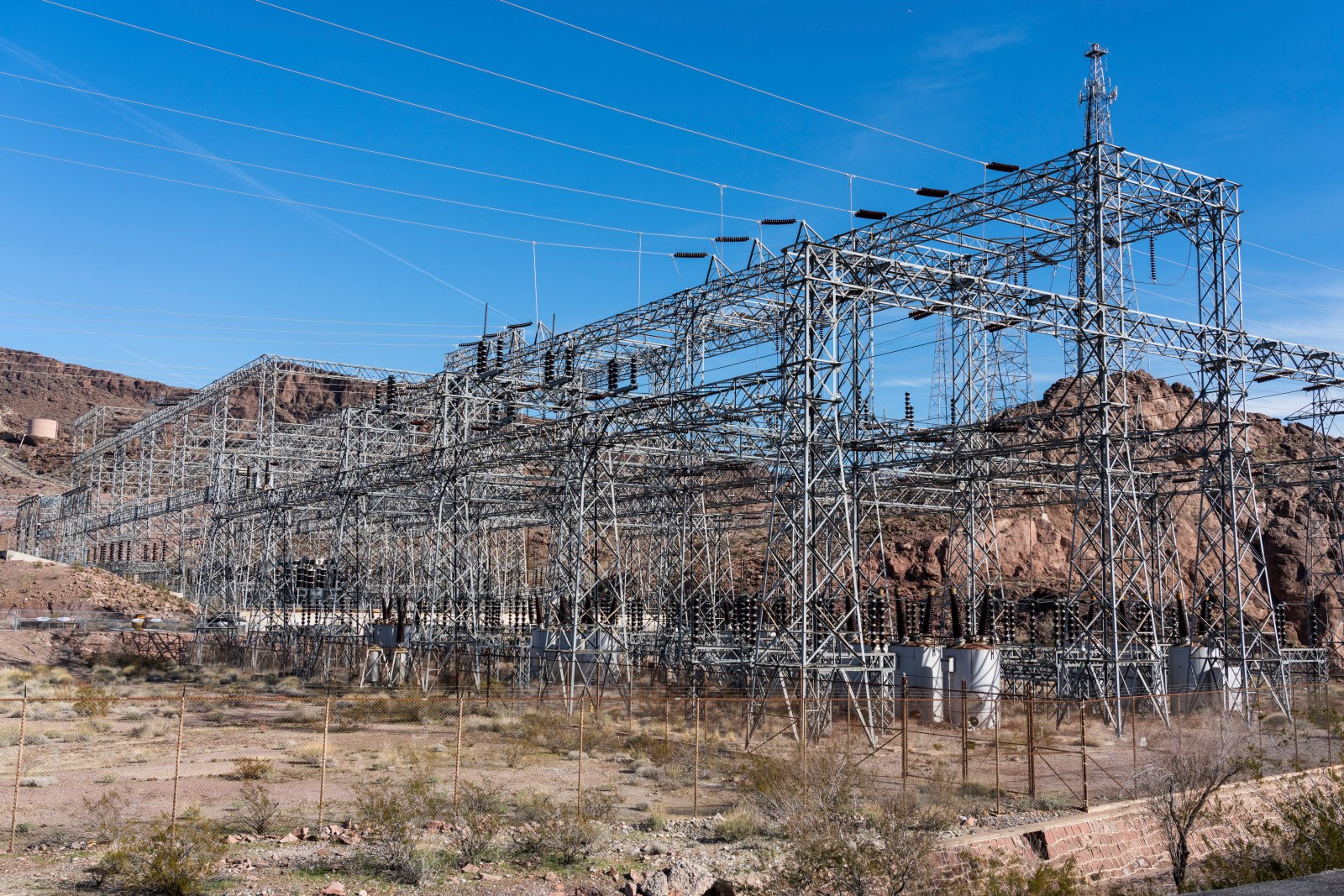
Transformers and converters rank among the vital parts of national energy infrastructure, responsible for transferring electricity across networks to homes and businesses. Their replacement poses a significant challenge due to lengthy manufacturing times, often years long, due to the custom-build nature of large transformers.
Backlogs have worsened. Manufacturing lead times grew from six months to over two years. Under high-demand scenarios by 2030, the U.S. may experience a transformer shortage of nearly 15%, while other essential grid equipment shortages could reach 30%.
The rise in power demand is unprecedented, with projections indicating a 21% increase by 2030. Even with moderate demand growth, transformer shortages are likely.
The AI Boom and Supply Chain Issues
Researchers attribute up to two-thirds of the projected equipment shortages to the growing demand from data centers, which power AI systems. These facilities, some consuming as much electricity as small countries, depend heavily on working transformers.
Concerns have grown about inadequate infrastructure to support this power distribution. International trade disruptions further threaten the supply, with essential materials like copper, steel, and nickel sourced globally.
The research urges policymakers and utilities to plan long-term for these shortages. Dvorkin emphasizes that maintaining existing transformers will be costlier in a constrained market, affecting parts, repairs, and maintenance expenses. These costs invariably pass on to consumers. As demand pressures escalate, older transformers wear out quicker, and repair times have lengthened significantly, leading to potential power outages.
For further information, contact the study’s editors, Matthew Cannon and Cristina Diciu, at Newsweek.