Elevated Risk of Technology Outages as Organizations Race to Update Systems
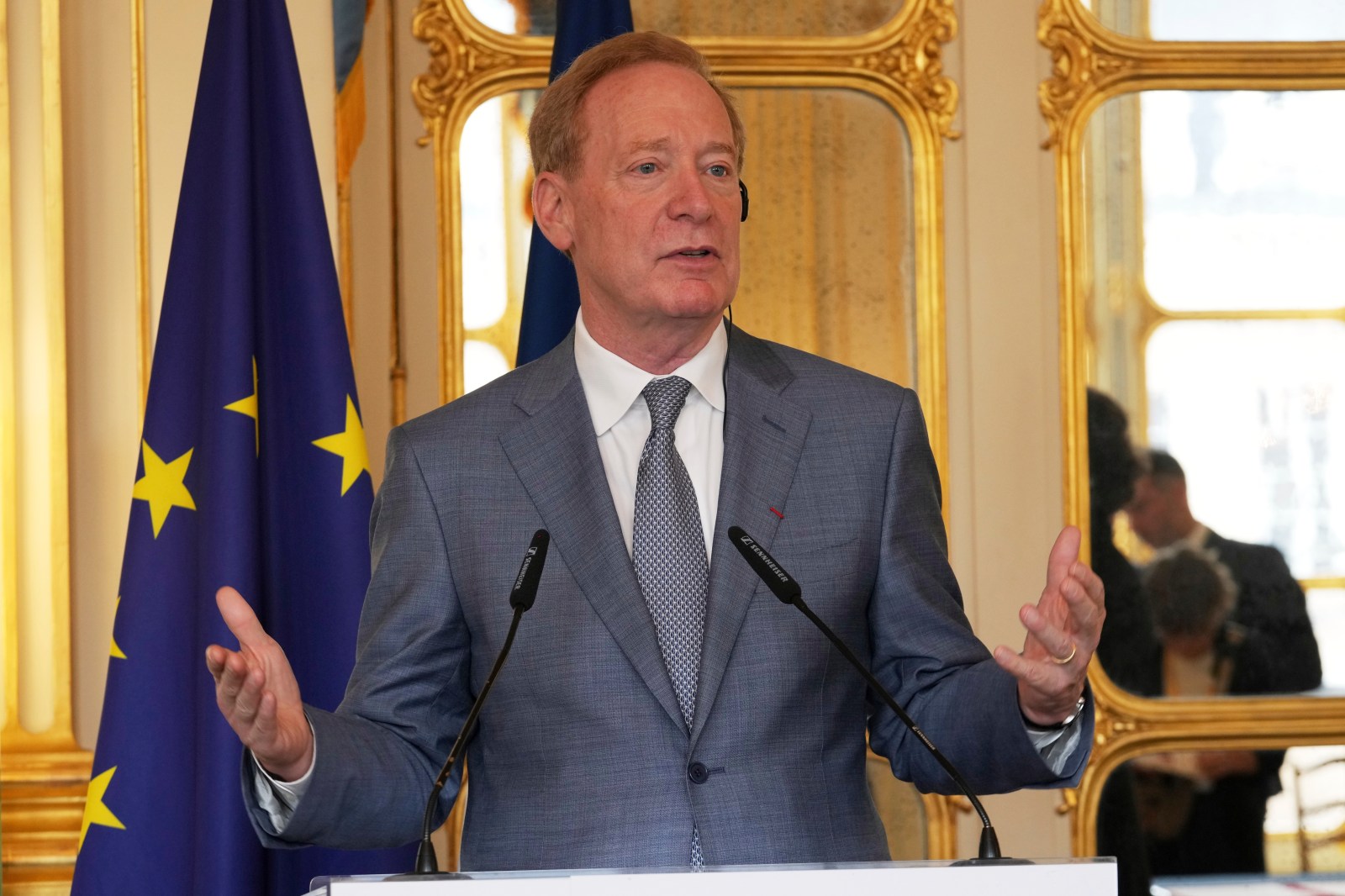
Widespread technology outages pose an ongoing risk, according to Microsoft President and Vice Chair Brad Smith. His remarks came during an appearance on CBS News’ Face the Nation, where he highlighted the ongoing efforts to patch software vulnerabilities and update aging infrastructure.
Smith stated, “We have to be prepared for the coming months because this isn’t the type of thing that gets done in a couple of weeks. The whole information infrastructure of the world is in effect being upgraded right now.” Recent failures affecting major banks, airlines, air traffic control, and Microsoft’s own global cloud services emphasize the heavy reliance on interconnected digital systems despite no evidence of coordinated cyberattacks.
Artificial Intelligence and Accelerated Discovery of Vulnerabilities
Smith addressed how artificial intelligence has sped up the discovery of weaknesses in computer code. While this benefits defenders aiming to fix flaws, it also enables malicious actors to target systems. This demands rapid deployment of updates, allowing less time for testing. “What AI did earlier this year was make it much easier for people to find vulnerabilities in code,” he explained. “Organizations are patching vulnerabilities at a pace we have never seen before.” The quick pace of patching, especially on older systems, adds instability.
Advising Prompt Security Updates and Improved Coordination
Smith urged consumers to promptly install security updates. He also called on companies to modernize infrastructure and enhance coordination with government entities. “If you get an update on your phone or your laptop with a patch, apply it because that’s going to keep your technology far safer,” he advised.
Official Reactions to Banking Glitches
Treasury Secretary Scott Bessent echoed Smith’s concerns during his own appearance on Face the Nation. He reassured the public about the stability of financial institutions, emphasizing banks’ longstanding investments in cybersecurity. Bessent likened security patches to vaccines, noting temporary discomfort leads to greater long-term resilience.
Still, cybersecurity experts argue that traditional patching is insufficient alone. John Walsh, CTO of IGEL, stressed the importance of designing systems capable of isolating failures. “For critical infrastructure, the objective must be to keep essential services functioning even when a component is compromised or unavailable,” he said.
Recent Unrelated Technical Disruptions
The recent wave of technical issues began November 12 and extended into the next day. A global Microsoft outage disrupted Microsoft 365, Exchange Online, and Outlook for businesses and government agencies. Smith explained the outage resulted from previous software updates interacting unpredictably, not from AI failures or cyberattacks.
Additionally, the FAA issued a rare nationwide ground stop due to a telecommunications failure, affecting air traffic control. The agency’s legacy network became unstable under high connection attempts. Transportation Secretary Sean Duffy attributed this to outdated technology within the nation’s air traffic systems.
United Airlines and JPMorgan Chase experienced separate issues. The financial firm’s technology failure caused delays within the U.S. banking system. Simultaneously, several major banks encountered online access troubles. Secretary of State Marco Rubio confirmed no links between the incidents suggest coordinated attacks.
Smith noted Microsoft’s outage was unique, yet broader tech disruptions highlight “AI ripple effects” from the global rush to secure vulnerable code.