Pope Leo XIV’s Efforts to Tackle Abuse in the Catholic Church
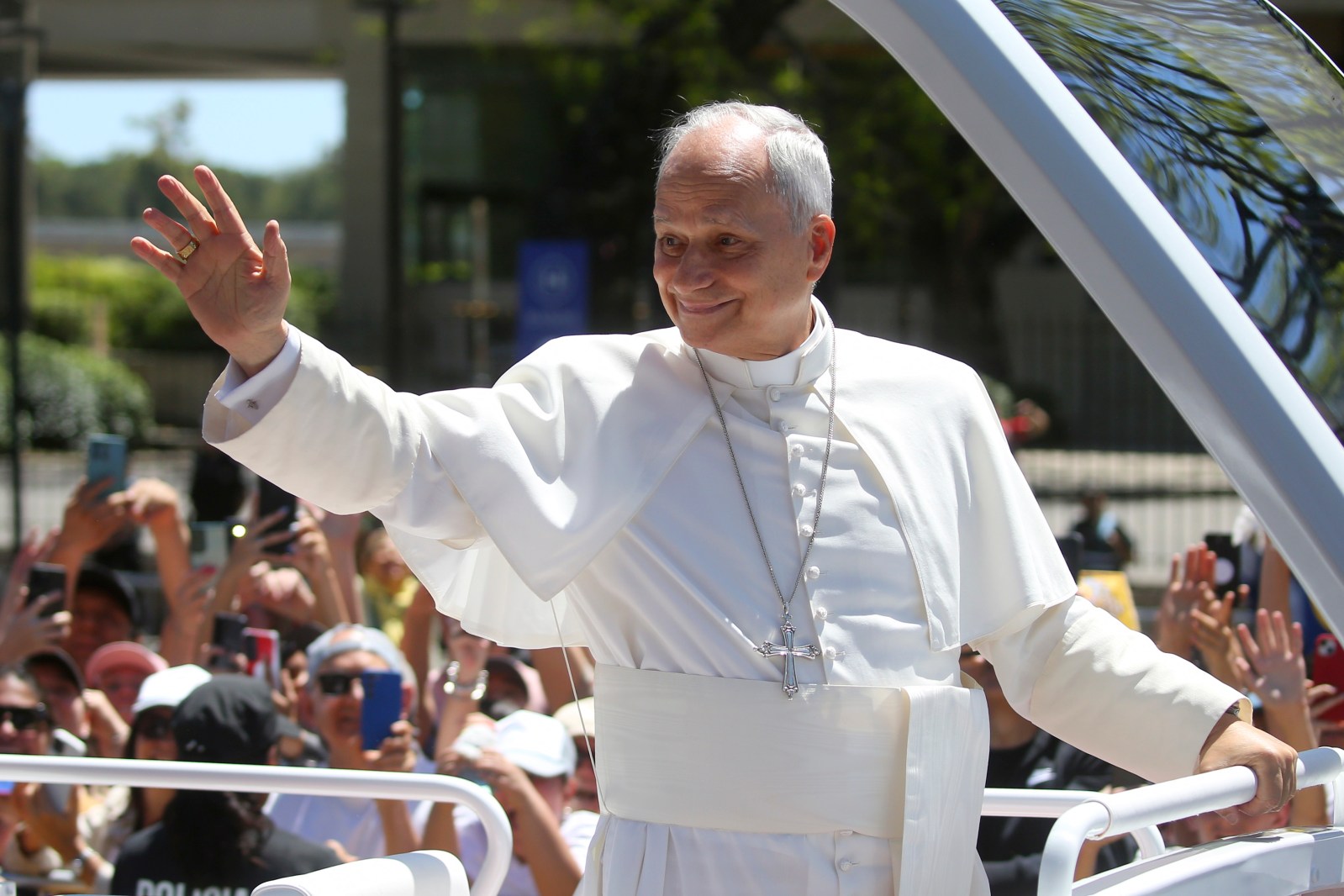
More than a year into his leadership, Pope Leo XIV faces a significant challenge: addressing abuse within the Catholic Church. This situation highlights the church’s commitment to confronting such issues. During his general audience, Pope Leo emphasized the importance of preventing and addressing abuse. He described it as essential for evangelical conversion, focusing on listening to victims and pursuing truth and justice.
In his recent visit to South America, Pope Leo met with survivors of clerical abuse in Peru. He underscored the necessity of addressing ‘spiritual abuse,’ a notion still under study at the Vatican. This issue is seen as pressing, though there is no immediate document for publication. Yet, addressing these issues canonically remains a priority.
Clerical abuse continues to be a pressing concern. Decades of investigations have uncovered widespread abuse allegations, including that church leaders did not adequately address misconduct accusations. Pope Leo’s predecessors have also strived to ensure accountability.
Pope Leo’s Approach to Combating Abuse
Pope Leo has prioritized listening to abuse survivors. He emphasized to the Pontifical Commission for the Protection of Minors that prevention involves more than protocols. It requires forming a culture of care, where protecting the vulnerable becomes a natural faith expression. This calls for conversion, where others’ suffering moves individuals to action.
Pope Leo approved new statutes for the commission, reinforcing efforts to develop accessible reporting systems and listening centers. Previous statutes, initiated by Pope Francis in 2015, laid the groundwork. Kevin Ahern, a professor at Manhattan University, noted that although many church bodies have systems for reporting, addressing deeper power dynamics is necessary.
Spiritual abuse, as Ahern points out, connects to sexual abuse, often intertwined with power and clericalism. Pope Leo aims to tackle these inner church issues by promoting a transparent and participatory approach through the Synod on Synodality, initially begun under Pope Francis.
Institutional Influences on Church Response
Robert Orsi, a history professor at Northwestern University, notes the church’s historical inclination to protect its status and authority while dealing with abuse cases. Pope Leo has displayed empathy toward abuse victims but must also consider the institutional church’s interests.
The influence of lawyers on how church authorities respond to allegations is significant. The fear of legal liability has affected the acknowledgment of harm done to victims. Pope Leo’s honesty represents a shift, recognizing the potential harm clergy can cause.
Pope Leo’s Record Under Scrutiny
Following his election, Pope Leo has faced skepticism, notably from SNAP, over his past handling of misconduct claims. Concerns arose about his actions during his roles in Chicago and Peru. In 2022, he managed cases involving allegations against priests in Chiclayo, Peru, where he faced criticism for alleged inadequate investigation actions. The diocese noted that measures were taken but faced questions regarding their sufficiency.
Pope Leo’s past includes dealing with the Sodalitium Christianae Vitae issues, a group faced with abuse allegations. He helped brief Pope Francis, leading to the group’s suppression before Pope Francis’s death. His efforts in dismissing bishops involved in abuse further illustrate his commitment.
Influence of American Background
Pope Leo’s American perspective influences his approach to abuse cases. His actions align with predecessors’ methods but reflect broader issue recognition due to his background and church generational shifts.
Michele Dillon, a sociology professor at the University of New Hampshire, mentions that the Vatican is refining guidelines to protect individuals while ensuring fair processes for the accused. Challenges remain as these procedures need consistent implementation.
Pope Leo’s experiences in the U.S. and Peru give him insight into how diverse cultures perceive child sex abuse, aiding his approach in handling these issues globally.
Future Steps
Pope Leo is expected to maintain a focus on addressing sexual abuse. Regularizing practices he introduced remains critical. SNAP has called for more definitive measures to shield believers from clerical abuse, such as immediate removal of accused clergy and greater accountability.
Angela Walker, SNAP executive director, emphasizes that survivors need more than assurances. The trauma from abuse impacts them for a lifetime.
Orsi highlights that resolving the crisis isn’t a one-time fix. Recognizing abuse as an ongoing threat within Catholicism and other faiths is essential for devising long-term solutions.