Medicaid Challenges for Hurricane Victims in Hawaii
In November 2026, residents of Kaua’i faced multiple challenges following Hurricane Lowell’s devastation in September. Thousands lost jobs, primarily in the tourism sector, causing unemployment claims to surge from 69 to nearly 1,800 in just weeks. Medicaid applications also rose by 50%, highlighting the struggle to maintain healthcare coverage amid disasters.
Medicaid typically serves as a critical support for healthcare during emergencies. However, the One Big Beautiful Bill Act, signed by President Trump, introduced new work requirements. These require many Medicaid recipients in 43 states and D.C. to work, volunteer, or attend school for at least 80 hours monthly. Compliance checks begin in January, despite states having the option to delay enforcement until July.
Disaster declarations can provide temporary exemptions from work requirements, but the process can be lengthy or may not occur at all. It is uncertain if those affected by Hurricane Lowell qualify for such exemptions, given the lapse in time since the disaster. This uncertainty poses risks of losing Medicaid coverage, affecting rural healthcare providers and overall community recovery.
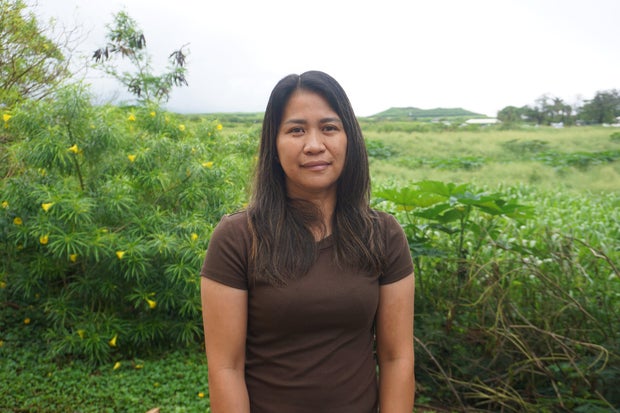
Rochelle Ganotisi, laid off from Sheraton Kaua’i Resort, is among those impacted. Her family relies on unemployment benefits and part-time work. They have temporary health insurance from a union but may apply for Medicaid if re-employment does not occur soon. The situation underscores the critical need for swift disaster declarations, as emphasized by Hawaii Governor Josh Green.
Thirty-four states and D.C. plan to adopt hardship exemptions to the work rules, but states like Indiana and Ohio do not. According to the CMS, states can request extended exemptions if barriers persist in disaster-hit areas, though it requires proof of ongoing challenges.
The early implementation of Medicaid work requirements in Nebraska offers lessons. Delays in disaster declarations led to loss of coverage for some, necessitating re-evaluation once exceptions apply. Advocacy groups point out the confusion in applying these requirements, which impacts new and existing applicants differently.
Economic recovery remains slow, compounded by housing shortages and prolonged rebuilding efforts. Approximately 90% of businesses fail within two years of disasters, according to the U.S. Small Business Administration. Some states are still awaiting disaster declarations from the President, with delays seen in states with Democratic administrations.
Hawaii, with six disaster declarations this year, reflects the ongoing struggle for timely federal support. Meanwhile, individuals like Oscar Cardova, unable to qualify for Medicaid due to immigration status, face difficult choices as they navigate living conditions and future employment opportunities.
KFF Health News invites stories of those attempting to meet new Medicaid eligibility criteria, furthering its mission to provide comprehensive health journalism.