The Economic Impact of Data Centers on Communities
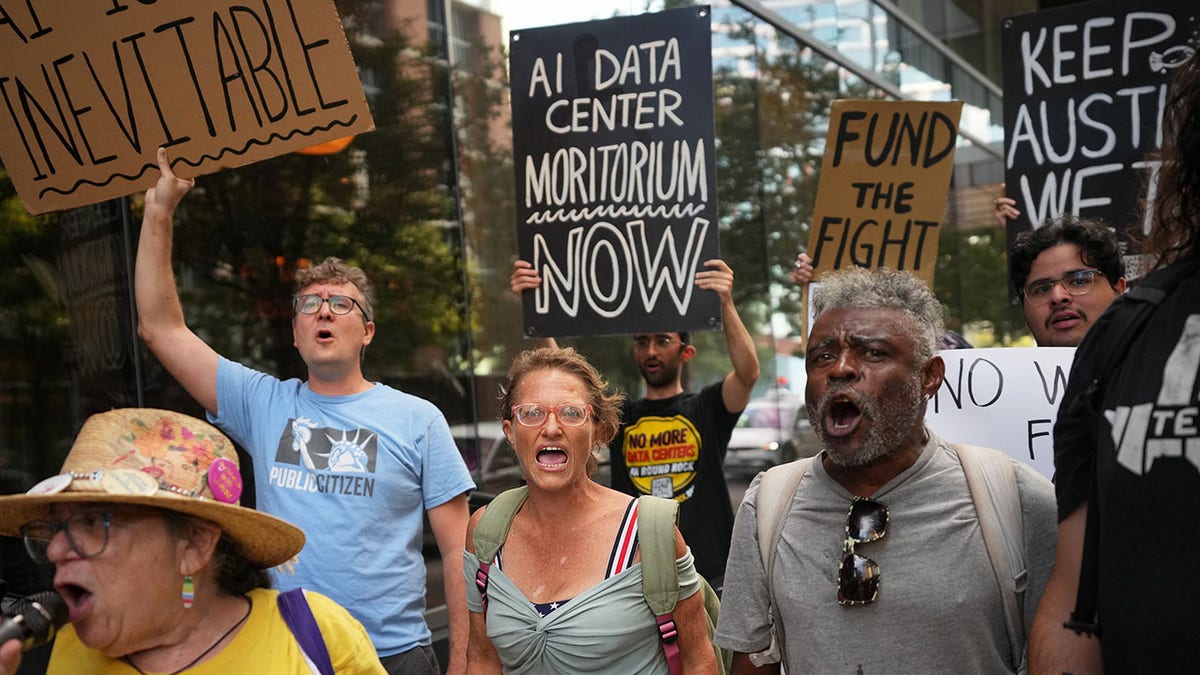
Affordability and the role of data centers have become key topics for voters this November. Citizens expressed concern about rising prices and the integration of data centers into their neighborhoods. Amid economic challenges, local governments face difficulties funding essential services such as schools, roads, and public safety without the tax income generated by data centers.
One potential solution lies in transforming vacant lots. These empty spaces can house well-maintained data centers that adhere to local architectural standards, providing enhanced security and much-needed revenue for local projects. An unattractive and potentially unsafe area can become a source of income and a more secure environment.
Case in Point: Landover, Maryland
In early November, opposition to the development of a $5 billion data center was spearheaded by an activist, blocking the planned construction on the site of the former Landover Mall. Since closing in 2002, the site has remained undeveloped, covering nearly 90 acres.
Prince George’s County, home to the Landover Mall site, faces a $130 million budget shortfall. The area has experienced substantial losses, including the closure of a Six Flags amusement park and the departure of the Washington Commanders to Washington, D.C. Additionally, federal job cuts have further impacted the county. Developers had estimated the new data center could contribute around $53.5 million annually in local tax revenue.
“Money is a made-up concept,” said Taylor Frazier McCollum.
Taylor Frazier McCollum, the activist, dismisses the revenue potential and emphasizes the importance of the environment. Her stance highlights the broader political debate surrounding data centers. These projects often face automatic resistance from activists and sometimes from political figures, jeopardizing financial benefits for local communities.
The developments in Landover are not isolated incidents. At least 75 data center projects across the United States, worth approximately $130 billion, were obstructed or delayed in the first quarter of 2026. This figure represents a significant increase, equaling the total for all of 2025.
Opportunities Missed and Gained
Prince William County in Virginia potentially misses out on $400 million in annual tax revenue due to the halted Digital Gateway project, once envisioned as one of the world’s largest data center complexes. While the county approved the project, court decisions nullified its rezoning approvals, and the developer withdrew its legal contest in July 2026.
In contrast, Loudoun County in Virginia serves as a successful example. The locality has embraced data centers, which contributed 38% of the general fund revenue in the county’s FY2026 budget. This influx of funds has allowed the county to consistently reduce its property tax rate, benefiting residents financially.
Henrico County, also in Virginia, allocates data center tax revenue to an Affordable Housing Trust Fund, aiding first-time homebuyers. In Richland Parish, Louisiana, Meta’s data center expansion financed $50,000 teacher bonuses.
Responsibilities of Data Center Developers
Developers must address community concerns by maintaining transparency, collaborating with local groups, and ensuring that their designs are neighbor-friendly. They should manage their own utility costs, establish noise limits, and work continually with community members and officials to tackle issues.
Data centers can transform neglected areas into economic drivers, helping fill budget gaps like the $130 million shortfall in some places. Although some oppose data centers despite their potential benefits, other regions recognize the opportunity and capitalized on it.