Challenges in Combatting the Ebola Outbreak in the DRC
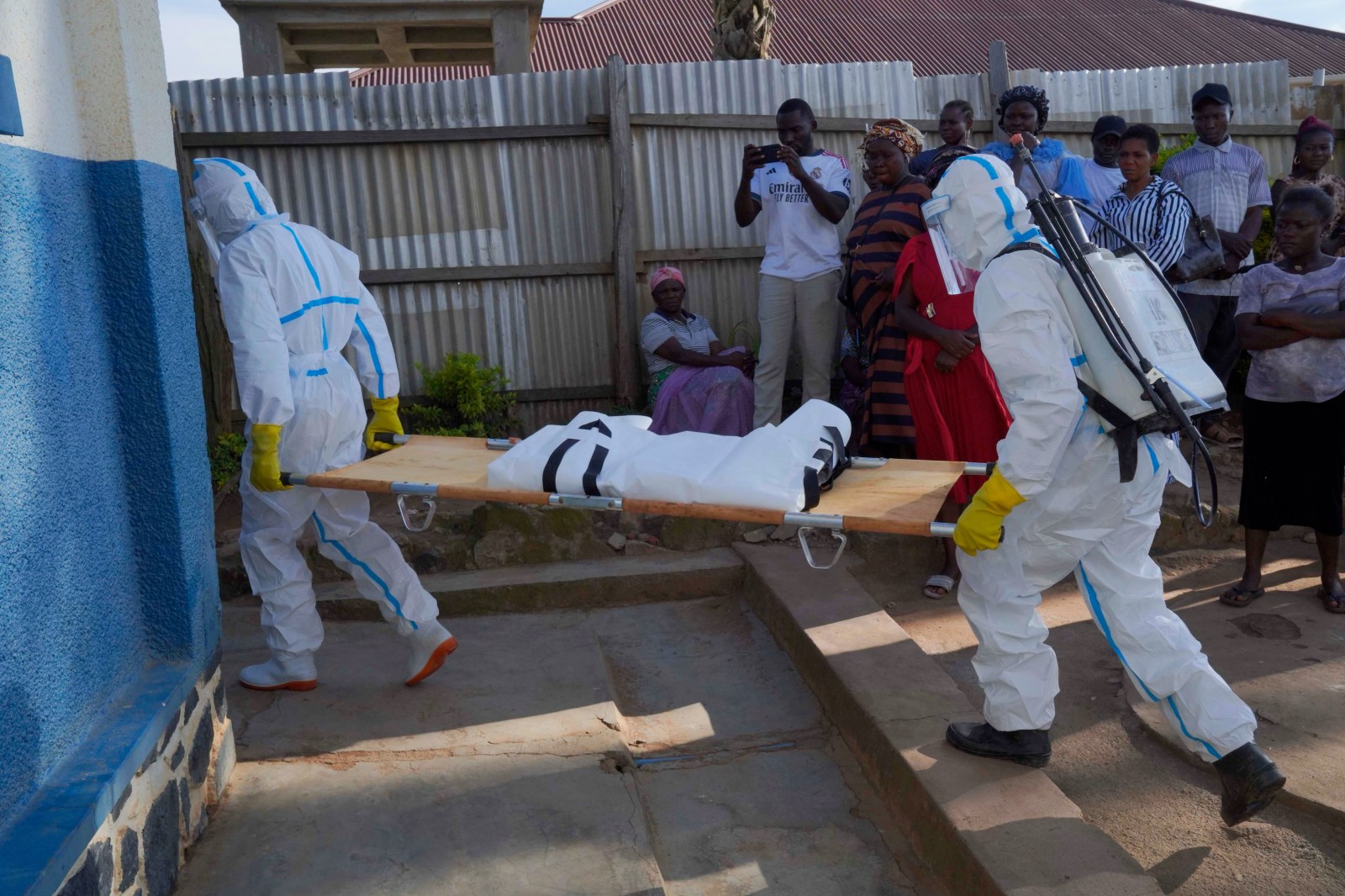
Efforts to combat the Ebola outbreak in the Democratic Republic of the Congo (DRC) face significant hurdles. These include ongoing conflicts, distrust in authorities, and challenging terrain. The current outbreak, linked to the Bundibugyo virus, was declared in May. The World Health Organization (WHO) has recorded that as of November 17, 5,678 of the 11,613 confirmed Ebola cases resulted in death.
Conflict and Contact Tracing Difficulties
The outbreak is primarily in eastern Congo, particularly in Ituri and North Kivu. These regions suffer from both the epidemic and armed conflicts. Fighting between the government and rebel groups like the M23 has exacerbated one of the world’s most significant humanitarian crises. This situation presents dangers for health workers. Some have faced fatal attacks since the outbreak began, while health facilities have also been targets.
WHO chief Tedros Adhanom Ghebreyesus highlighted recent attacks near a hospital in Ituri. “Heavy fighting” disrupted the hospital’s operations, putting patients and healthcare workers at risk. The frequency of these attacks increased since October, severely affecting Ebola response efforts. Ghebreyesus emphasized, “The best medicine is peace.”
Distrust in Authorities and Medical Workers
Skepticism about Ebola and its treatment complicates working with residents. This is especially true in remote areas and rebel-controlled territories in eastern Congo. Long-standing conflicts and human rights abuses contribute to mistrust of outsiders, including state authorities.
According to Julienne Anoko, a WHO risk communication officer, some communities view Ebola as a result of poisoning, witchcraft, or sorcery. Others believe Ebola is a fabrication or a tool used by foreign nations to access the DRC’s natural resources. WHO reported an incident where a family refused help after losing their daughter to a suspected Ebola infection. Such attitudes hinder investigation and containment efforts.
Challenges Posed by Rugged Terrain
In certain parts of eastern Congo, delivering supplies to Ebola-affected areas can take weeks. Dense rainforests, bogs, and damaged infrastructure contribute to these delays. Jerome Bertrand of Handicap International noted that during the rainy season, travel times lengthen due to difficult terrain. This slows not only supply delivery but also diagnosis. Before the outbreak’s May declaration, samples traveled over 1,420 miles to the national laboratory in Kinshasa for testing.
To address these challenges, authorities implemented decentralized testing. In Mongbwalu, Ituri, local tests now provide results in under an hour. However, navigating 68 affected health zones across eight provinces remains demanding. As of mid-November, 48 zones reported new cases in recent weeks, underscoring the persistent struggle to manage the outbreak.