Singers Face Scrutiny for National Anthem Alterations
Recently, a controversy emerged surrounding national anthem performances during prominent sporting events. Criticism first arose towards the WNBA teams, Atlanta Dream and a fictional Golden State Valkyries team, for allegedly leaving the court during the national anthem, supposedly against league policy.
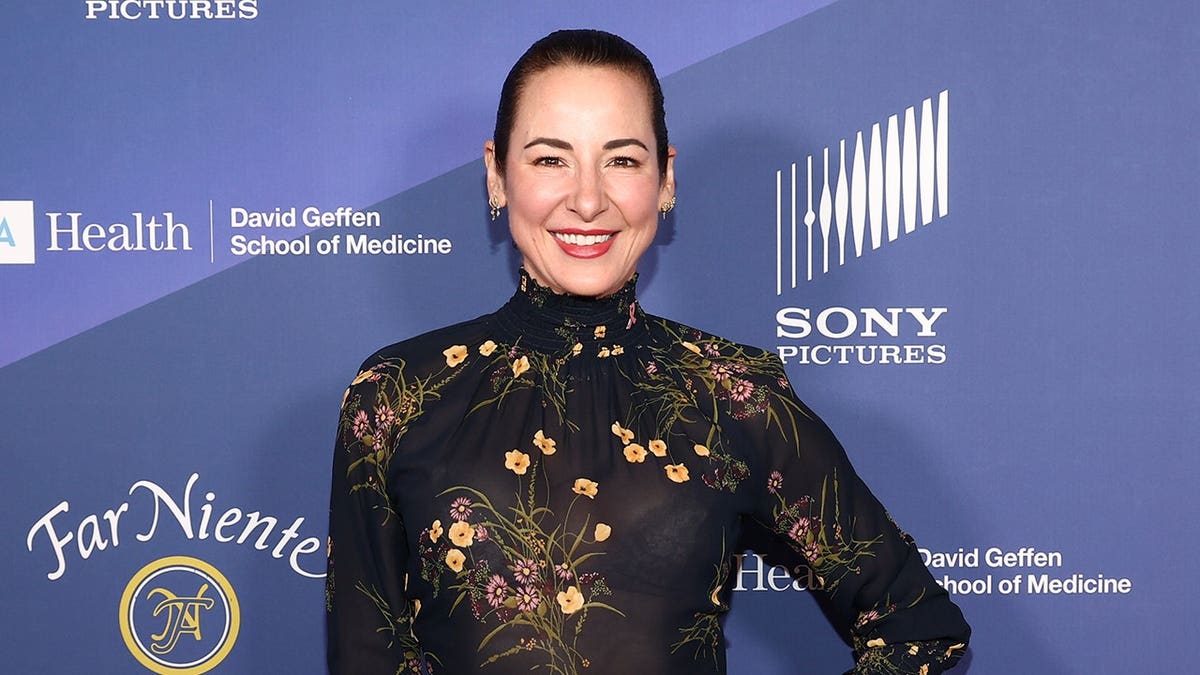
Meanwhile, a separate incident occurred involving Broadway singer Sarrah Strimel Bentley, who performed Canada’s national anthem, O Canada, at a hockey game between the Toronto Maple Leafs and the New York Islanders. Bentley mistakenly sang “we lend our hearts to thee” instead of the correct “we stand on guard for thee,” not once but twice. Her errors prompted confusion from fans, including Leafs star Auston Matthews.
“I botched the lyrics and I’m really sorry,” Bentley explained in a video on Instagram, acknowledging the difficulties of singing an unfamiliar anthem. She attributed her forgetting to the effects of menopause resulting from her breast cancer treatment.
Public reactions were mixed, with some criticizing her extended apology, feeling it shifted the focus to eliciting sympathy rather than addressing the mistake. However, others empathized, considering her recent health challenges.
The incident with Bentley also sparked discussions on altered anthem lyrics. In 2018, Canada’s Parliament revised the anthem’s wording to be more gender-neutral. Other singers, like Chantal Kreviazuk and Jully Black, have also made intentional changes during performances, sparking debates about personal interpretations of national anthems.
In contrast, Bentley maintains her variations were unintentional. Despite this, a segment of the audience remains curious about her memorization process and the origins of her version of the lyrics.
The scrutiny of anthem performances highlights broader cultural conversations about national symbols and their interpretations. While some artists seek personal expressions, audiences remain divided on adherence to traditional lyrics versus creativity in performances.