Huawei Convicted in Major U.S. Legal Battle
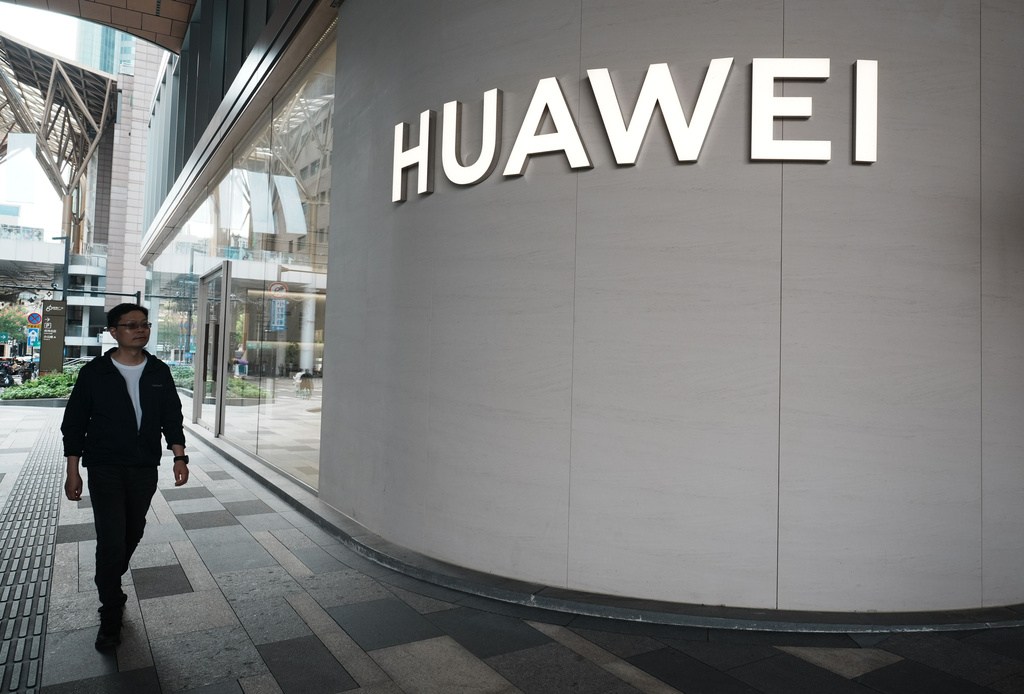
A U.S. jury has convicted Huawei, a leading Chinese technology firm, of conspiring to steal trade secrets and misleading banks about its operations in Iran. This marks a major win for federal prosecutors following a protracted legal fight.
The federal jury in Brooklyn found Huawei Technologies and three subsidiaries guilty on 10 of the 12 criminal charges after a trial spanning over two months. These charges comprised bank fraud, wire fraud, sanctions violations, and conspiracy to steal trade secrets. The jury, however, acquitted Huawei of racketeering conspiracy and obstruction of justice.
The conviction arrives as Washington continues efforts to limit Huawei’s growth. Although U.S. restrictions have limited its access to American technology, Huawei has advanced its engagement in chip manufacturing. The company has become a crucial player in China’s push towards artificial intelligence, presenting an alternative to products from companies like Nvidia.
Details of Huawei’s Conviction
The prosecution asserted that Huawei systematically acquired technology from rivals while deceiving banks and U.S. authorities regarding its business in sanction-affected countries.
Prosecutors cited numerous instances of alleged technology theft. These included accusations that Huawei sold routers containing Cisco Systems’ code and a Huawei employee removed a T-Mobile robot part for analysis. Other affected companies included Motorola Solutions, Quintel USA, and Fujitsu.
“The tone was set at the top by Huawei leaders and executives who themselves engaged in criminal conduct, like lying to Congress, lying to banks, violating U.S. sanctions, and trying to interfere with the very criminal investigation that led to this case,” prosecutor Meredith Arfa stated in closing arguments.
Huawei denied the allegations. Attorney Brian Heberlig announced plans to appeal the conviction. He argued that the acquittal on racketeering undermines the prosecution’s broader claims.
The case gained international attention in 2018 with the arrest of Meng Wanzhou, Huawei’s CFO and daughter of the company’s founder. Detained in Canada on a U.S. warrant, she was accused of misleading HSBC about dealings in Iran. After reaching an agreement, she returned to China in 2021, and the charges were dropped.
Huawei’s Ongoing Expansion
Despite being placed on a U.S. trade blacklist in 2019, which restricted its access to American technology, Huawei remains active in the global tech landscape. The company continues selling smartphones and telecom gear and has expanded into semiconductors and AI infrastructure. Its ventures into chipmaking have established Huawei as a key alternative to companies such as Nvidia.
The competition between Nvidia and Huawei has gained particular relevance. Nvidia co-founder Jensen Huang faced personal scandals, leading to his brief resignation. However, Nvidia’s board reinstated him, influenced by senior government officials’ views, with no noted national security threats.
This rollercoaster significantly impacted Nvidia’s market valuation, leading to a massive, yet not complete, recovery.
Implications for Global AI and Technology
The case against Huawei reflects broader tensions as the U.S. and China vie for dominance in AI technology. While the U.S. limits AI processor exports to China, Huawei’s role in China’s tech ascent has grown. The court’s decision further complicates this dynamic, given Huawei’s concurrent growth in domestic AI capabilities.
The financial repercussions for Huawei could be considerable, potentially reaching billions of dollars in penalties. However, the verdict’s full impact on Huawei’s global operations remains uncertain.