Xi Jinping Emphasizes Technology Mastery for Economic Dominance
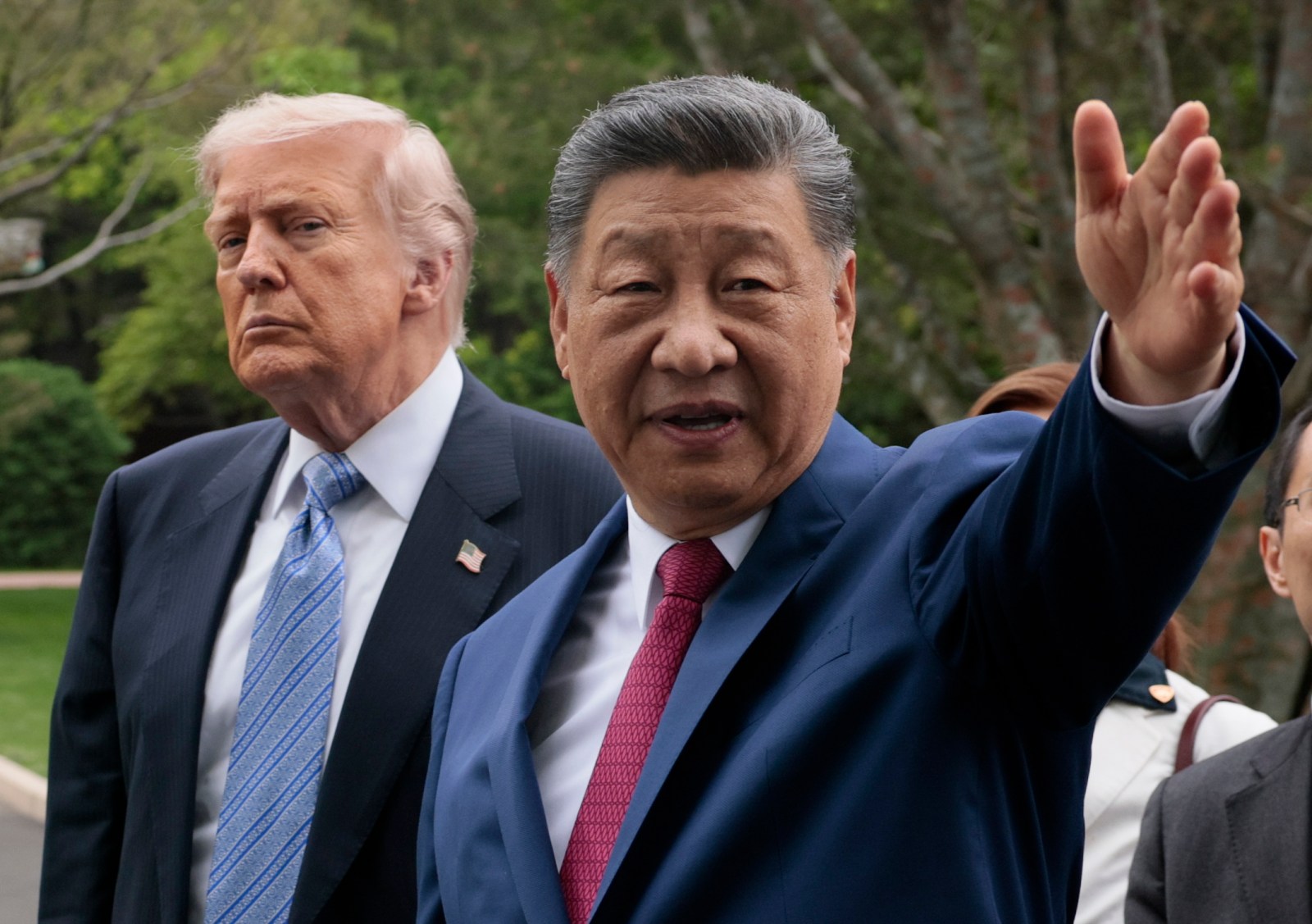
Chinese leader Xi Jinping cautioned top officials about the critical need to grasp emerging technologies. He warned that failing to do so could weaken China’s position in the global economy. He emphasized the importance of understanding frontier science and technology to improve decision-making.
In a speech on January 30, published in Qiushi, a Communist Party journal, Xi advocated for the promotion of technologies such as quantum, biomanufacturing, hydrogen and nuclear fusion energy, brain-computer interfaces, embodied AI, and 6G. He stressed these as ‘new economic growth points.’
Xi highlighted the significance of developing industry leaders to secure technological dominance. China’s strategy of identifying key industries and bottlenecks has been effective, particularly in green technology and rare earth supply control.
Transforming China’s Manufacturing Landscape
Over the past two decades, Beijing invested vast amounts in building a global dependency on Chinese manufacturing. This featured state funding support and policy changes to help local businesses grow in strategic sectors.
Support for firms like BYD, an electric vehicle manufacturer, illustrates this approach. BYD benefits from financial incentives and scalable production, enabling competitive pricing in Europe and beyond.
BYD surpassed Tesla as the leading EV seller globally in 2025. It ranks third in Europe, trailing only Volkswagen and BMW, as per a report by the European Commission in March.
The US has responded by banning Chinese electric cars domestically, while the EU is considering price control measures instead of tariffs.
Navigating a Cyber Revolution
China plans to lead in a technological age characterized by AI and smart devices. It aims to achieve scientific advances to overtake the United States in providing future economic growth tools, starting with AI.
Infrastructure development is underway to support this AI research, including expansive new power grids. Whether China can match the US in computing power remains uncertain. The strategy could mitigate economic challenges like an aging population and international opposition to China’s industrial policies.
Unfair Competition Concerns
A recent OECD report highlighted record levels of industrial subsidies since the 2008 financial crisis. The report stated that Chinese companies received 52 percent of global subsidies in 2024. These subsidies accounted for a significant portion of their market share gains.
The report warned that excessive subsidies could hamper innovation and quality, similar to ‘doping in sports.’ Although consumers may enjoy lower prices temporarily, this could lead to long-term economic drawbacks.
China contends that its dominance in strategic industries is due to the competitiveness of its products.