9/11 Widow Challenges Saudi Arabia and U.S. Presidents Over Alleged Links to Attacks
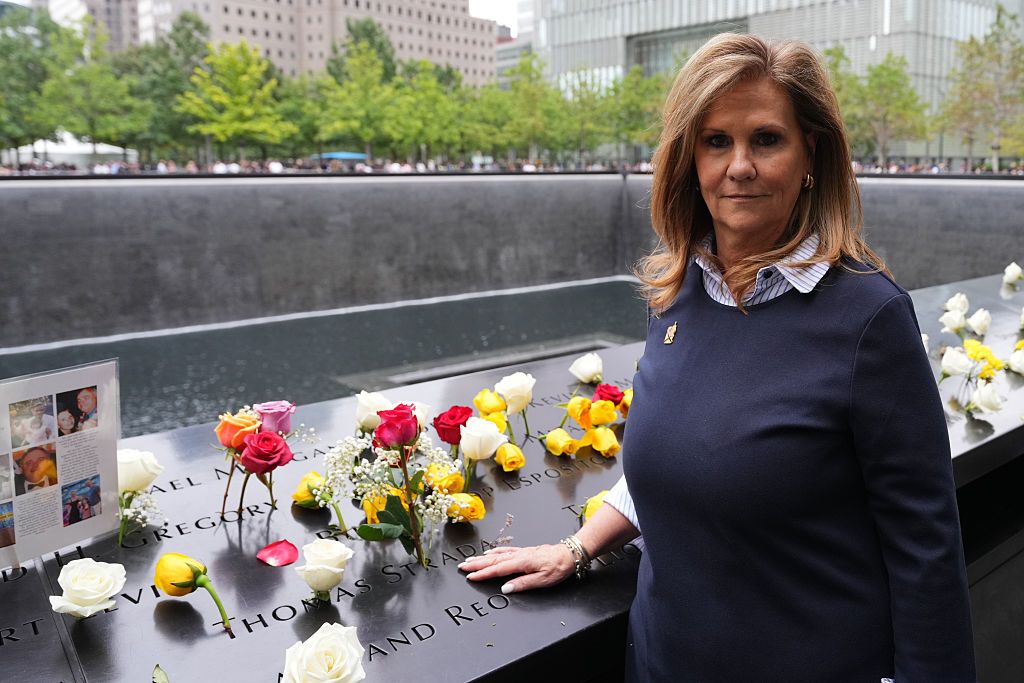
A 9/11 widow confronted Saudi Arabia and every living U.S. president at the 25th-anniversary memorial, demanding answers about possible Saudi links to the attacks. Her remarks have brought renewed attention to issues of transparency, federal investigations, and unresolved questions regarding Saudi nationals who connected with two hijackers.
This confrontation increases pressure on the Trump administration, Congress, and federal agencies as families seek declassification, accountability, and progress in their lawsuit against Saudi Arabia. Terry Strada, whose husband died in the World Trade Center, accused multiple administrations of prioritizing Saudi interests over the families. Her comments echo years of frustration from victims’ families, who argue that significant FBI records, particularly those about Omar al-Bayoumi, remain elusive or not fully examined. Despite new evidence and ongoing litigation, families feel clarity has been lacking for 25 years.
One persistent question involves the attackers’ identities. Fifteen out of the 19 hijackers were Saudi nationals, prompting families to call for a closer examination of Saudi networks in the U.S. While the 9/11 Commission Report found no evidence that Saudi Arabia funded the plot, it did acknowledge that Saudi nationals in California provided help to the hijackers, sparking decades of debate. Families argue the government has failed to explain how two men lacking English skills and familiarity with the U.S. integrated so rapidly after landing in Los Angeles in 2000.
Who Was Omar al-Bayoumi?
Recent investigations into Omar al-Bayoumi have intensified scrutiny of the FBI’s handling of Saudi suspects. Bayoumi, a Saudi graduate student in San Diego, helped the hijackers with housing and other needs. While his actions were deemed coincidental by the FBI for years, new federal court documents reveal Bayoumi was linked to Saudi intelligence. In 2001, British police confiscated evidence from Bayoumi’s home, which had not been fully shared with hijacker investigators.
Families are questioning the FBI’s minimization of Bayoumi’s role. Investigative journalist Sander Hicks notes that lack of scrutiny on financial connections has kept these issues alive.
What Operation Encore Found
Operation Encore, a follow-up investigation on Saudi links, offered significant findings regarding individuals around the hijackers. Agents found evidence of the hijackers visiting a Los Angeles mosque and meeting with a Saudi diplomat and imam, contradicting previous claims of random encounters. Contacts between these individuals and Saudi religious officials tied to al-Qaida were also uncovered.
Despite these findings, FBI headquarters resisted pursuing the concept of a support network, and the team was disbanded in 2016. Hicks argues that portraying al-Bayoumi as a coincidental helper is harder to accept.
Why the Saudi Question Remains Unresolved
Families believe the Saudi issue persists because federal institutions haven’t aggressively pursued leads. Hicks suggests political and financial power influence which stories are told. During the memorial, Strada highlighted withheld evidence and broken promises, receiving applause from families seeking transparency.
The CIA released 71 presidential briefs, but omitted critical records like Bayoumi’s phone logs, as families continue their pursuit for information.
What the Lawsuit Could Change
The lawsuit against Saudi Arabia, enabled by the Justice Against Sponsors of Terrorism Act (JASTA), is significant for terrorism-related legal actions. In 2025, a judge allowed the case to proceed, challenging Saudi Arabia’s sovereign-immunity claim. The Kingdom is appealing, with a court date set for October 2026.
Michael Barasch, a 9/11 advocate representing thousands of responders and survivors, stresses the ruling’s importance. Evidence survived jurisdictional challenges, leading to possibilities for testimony and document production.
Barasch, a two-time cancer survivor, says the stakes aren’t abstract, highlighting the ongoing health crisis impacting the 9/11 community.
The Human Toll Behind the Legal Fight
Barasch connects the litigation to health issues facing the 9/11 community. He notes the government’s assurances about safe air led to a rise in illness and cancer certifications.
The memorial’s new tribute, “The Seventh Bell,” acknowledges the ongoing impact of 9/11 illnesses. Barasch advocates for transparency, stating there is no excuse for failing to pursue records about the attacks.