Federal Reserve’s Shift in Transparency Under Kevin Warsh
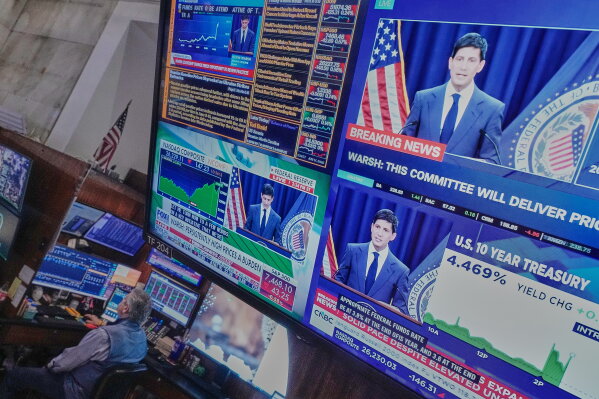
The Federal Reserve has evolved from a secluded institution to a more open one, explaining its decisions and economic views. Kevin Warsh, the new chair, appears to be reversing some of this trend. He believes financial markets rely too heavily on Fed guidance, which works better during financial crises or downturns.
Warsh made swift changes. The Fed’s interest-rate decision statement was cut from 341 words in April to 132. He emphasized the exclusion of hints or ‘forward guidance’ for upcoming moves. By reducing communications, especially regarding interest-rate forecasts, Warsh risks causing sharper stock and bond price swings, potentially raising interest rates for consumers and businesses.
“Forward guidance has suppressed volatility and anchored market expectations,” noted George Pearkes, global macro strategist at Bespoke Investment Group. This control has generally led to lower borrowing rates compared to alternatives.
Pearkes added that consumer impact might be minor, with mortgage rates possibly a quarter-point higher than otherwise. After Warsh’s announcements, financial markets fluctuated and then declined. The 10-year Treasury yield, which affects mortgage rates, rose from 4.43% to 4.49% but decreased the following day. The 2-year Treasury, reflecting Fed action expectations, increased from 4.05% to 4.16%.
Warsh may signal a return to 1990s-style communication. Past chairs provided clear signs of the Fed’s next steps, allowing markets to anticipate actions. Warsh often references former chair Alan Greenspan, who was known for reserved comments that left investors uncertain.
This communication reduction is part of broader reform possibilities Warsh mentioned. He announced five task forces to review Fed communications, the balance sheet, economic data analysis, AI impact on productivity and jobs, and inflation analysis frameworks. Adjustments to quarterly economic projections and press conferences were also under consideration.
In contrast to the 1990s, when Greenspan offered no explanations, prior chair Ben Bernanke initiated press conferences, and Jerome Powell expanded them. Warsh may scale back transparency.
“This marks a significant change in Fed conduct since the global financial crisis,” said Matthew Luzzetti, chief U.S. economist at Deutsche Bank. “There has been a trend towards greater transparency since then. Warsh now reverses that direction.”
Former Fed chairs, from Bernanke onward, saw clear benefits in communication. It guides markets towards desired outcomes, affecting long-term rates like the 10-year Treasury through investor expectations for inflation and growth.
Warsh believes financial markets rely too much on guidance. He wants investors to assess economic data independently, which the Fed would then consider for future action predictions.
At a recent news conference, Warsh acknowledged markets’ importance in guiding central bankers. Economics professor David Andolfatto supports Warsh’s view but recommends guidelines for unexpected events like global conflicts or persistent inflation. He stressed the need for a contingency plan rather than simply trusting in inflation management.
“Dropping forward guidance might empower the other 18 committee members,” Pearkes noted. Speeches by the governing board members and regional Fed bank presidents may become more influential.
Warsh’s approach will face tests in financial downturns or crises, akin to the COVID pandemic era, where forward guidance can calm markets.
“Whether this approach endures, only time and unfolding events will reveal,” Pearkes said.