Colombian Politics Race Influenced by Trump Amid Latin American Right-Wing Shift
Colombian presidential candidate Abelardo de la Espriella, known for his hardline stance, pledges to dismantle criminal groups and cut government programs if elected. His approach to bomb ‘narco-terrorist’ camps and construct large mega prisons aligns with similar policies adopted by conservative Latin American leaders.
De la Espriella’s campaign receives strong support from U.S. President Trump, who has broken tradition by openly endorsing foreign candidates, particularly in Latin America. Trump’s complete endorsement of De la Espriella, nicknamed ‘El Tigre’, was symbolized with an image of a tiger and bald eagle accompanied by American and Colombian flags.
Considered part of a new wave of MAGA-aligned politicians, De la Espriella proposes reducing government size, controlling immigration, and increasing military enforcement. His campaign echoes a move within the region toward conservative leadership amidst long-standing high crime rates and inequality following the ‘Pink Tide’—a period dominated by leftist governments.
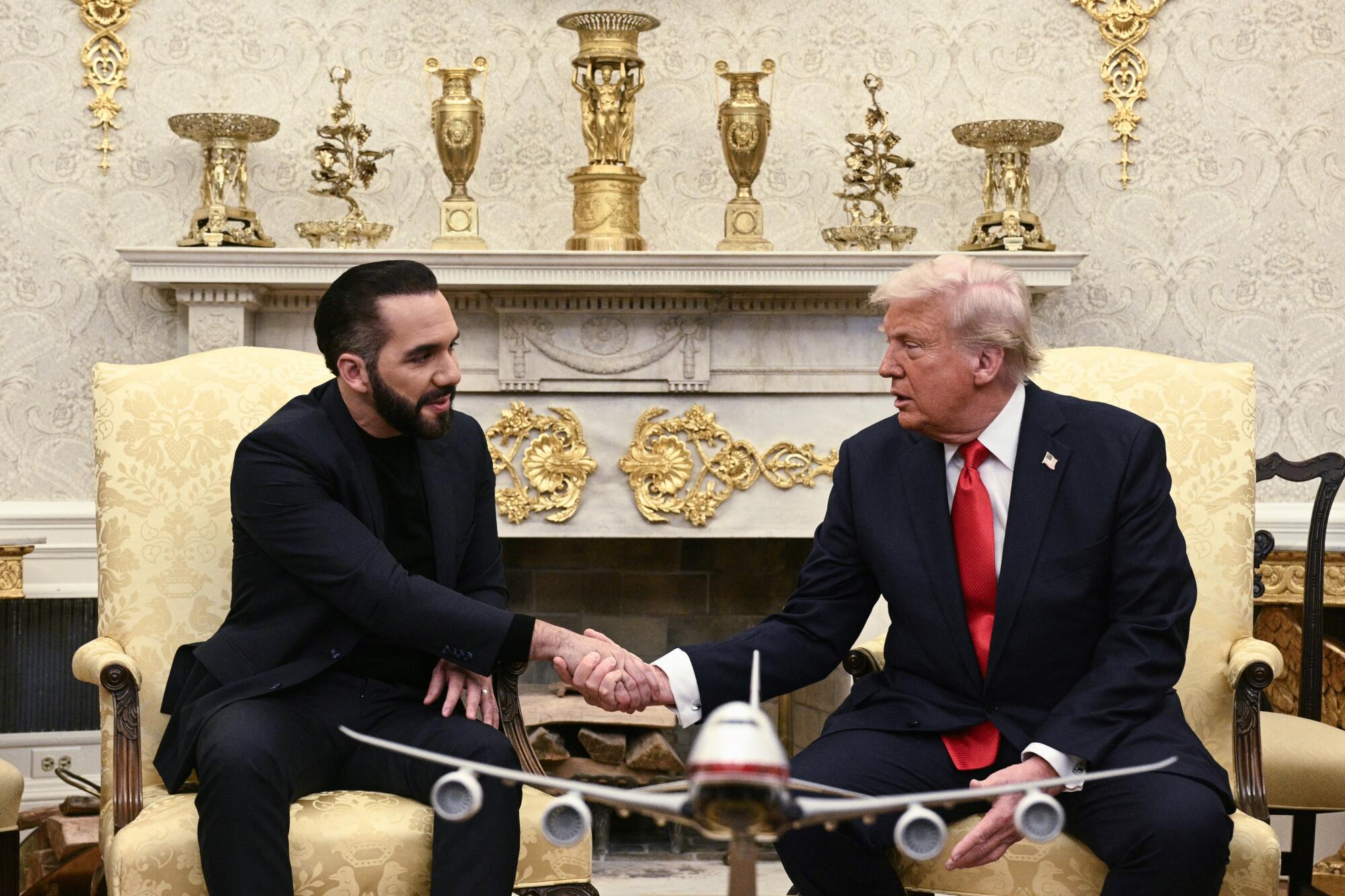
A recent poll by Latinobarómetro indicates an increase in right-wing identification across Latin America. Several conservative leaders have gained office recently, providing Trump with potential allies to strengthen U.S. influence, counter drug cartels, and challenge China’s growing presence. Argentina’s Javier Milei and El Salvador’s Nayib Bukele exemplify this alignment with Trump, adopting stringent measures for control and governance.
Additionally, other leaders like Ecuador’s Daniel Noboa and Chile’s José Antonio Kast have taken steps similar to Trump’s strategies. Meanwhile, Keiko Fujimori in Peru could soon join this cohort, as preliminary election results suggest a narrow lead in votes.
The left maintains a stronghold in only Mexico, Colombia, and Brazil. However, these countries face challenges, notably with Brazil’s upcoming election where incumbent Luiz Inácio Lula da Silva contests against right-leaning Flávio Bolsonaro, son of former President Jair Bolsonaro.
In Colombia, De la Espriella’s focus on law and order gained momentum in the election, creating a contentious battle against Sen. Iván Cepeda, ally of leftist President Gustavo Petro. Petro opposed Trump’s involvement, underscoring sovereignty in the electoral process. Similarly, Mexican President Claudia Sheinbaum criticized U.S. intervention, questioning the legitimacy of recent U.S. actions in drug trafficking investigations involving her party members.
Trump’s involvement in Latin American politics has been viewed as an effort to exert U.S. dominance under the pretense of combating drug cartels, which have been designated as terrorist organizations by his administration. This move has been scrutinized by experts like Guillaume Long, who sees it as a strategy to expand U.S. economic and political sway.
James Bosworth highlights that many Latin American leaders independently adopt strict crime policies due to regional security issues and potential U.S. support. Notably, Mexican journalist Alex González Ormerod believes leaders like Bukele have influenced Trump, indicating mutual political influence and the spread of conservative ideas through events like the Conservative Political Action Conference.
Analysts warn of Latin America’s political pendulum, often swinging between left and right ideologies. Benjamin Gedan from the Stimson Center mentions how voter dissatisfaction often leads to frequent changes in government, a trend known locally as ‘voto castigo’ or ‘the punishment vote’.