Keir Starmer’s Turbulent Tenure and Resignation as UK Prime Minister
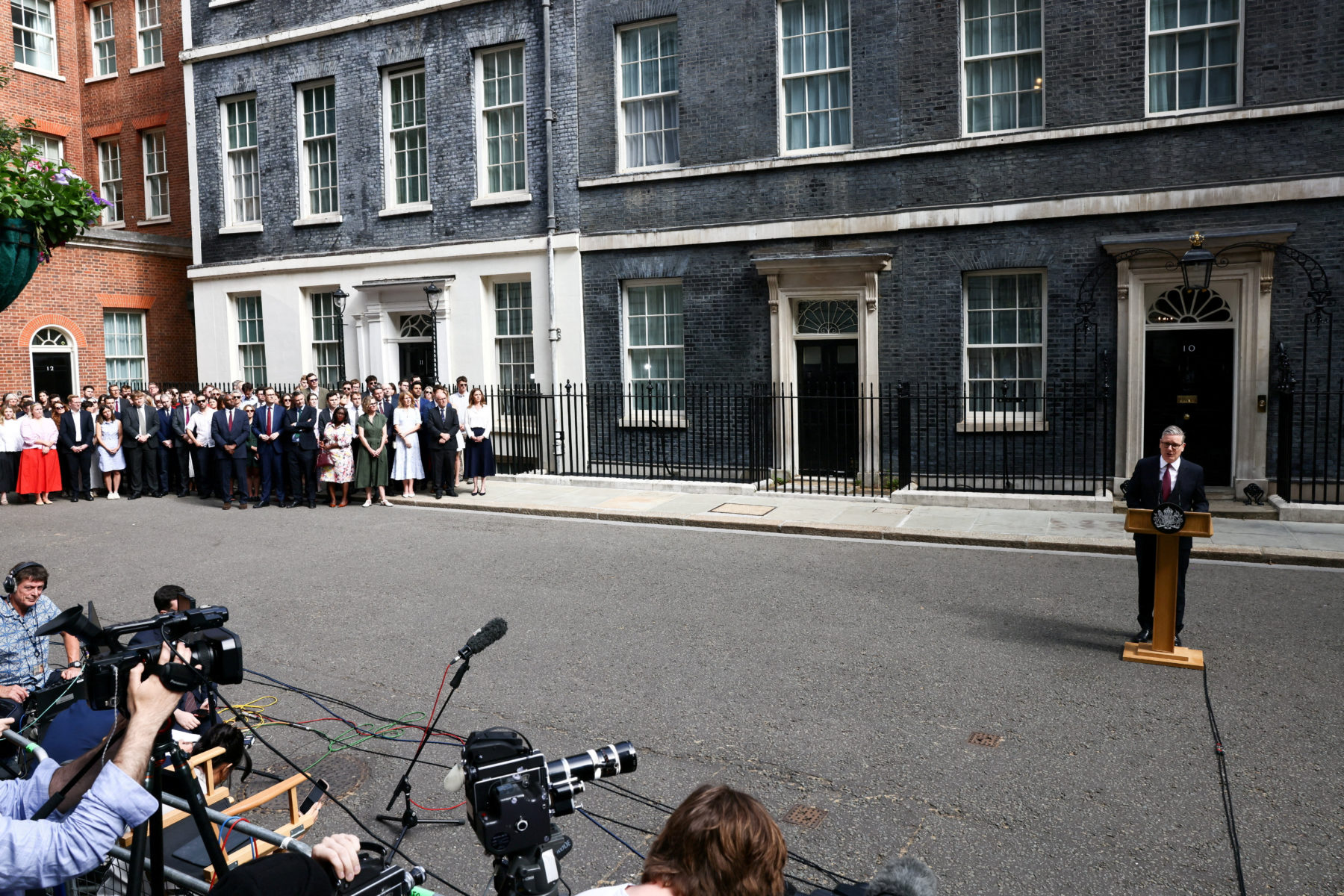
Keir Starmer, elected as Britain’s Prime Minister for stability in challenging times, experienced an unexpected downfall marked by errors and internal party conflicts. Initially positioned as the antidote to the previous political chaos, Starmer faced political turmoil that led to his resignation.
In a statement on Monday, Starmer expressed his decision to resign as leader of the Labour Party. He will continue as caretaker Prime Minister until a new leader is appointed. He acknowledged his party’s reservations about his leadership in forthcoming elections and accepted this outcome.
Political Science Professor Rob Ford describes Starmer’s leadership as ineffectively realized. Starmer promised a no-drama government but instead faced a series of mistakes. A significant defeat in local elections pushed Labour’s fortunes downward, prompting resignations and paving the way for Andy Burnham’s potential premiership.
Starmer’s journey from July 2024, when he restored Labour’s prominence with a significant Commons majority, to his end illustrates a steep decline. His commitment to restoring respectful politics clashed with political missteps. Despite Labour’s parliamentary majority, only 34% of the electorate supported them, largely due to dissatisfaction with Conservatives.
Early controversies included accepting high-value gifts and subsequent policy reversals that alienated Labour members. But the pivotal misstep was appointing Peter Mandelson as UK ambassador to the US. Mandelson’s connection to Jeffrey Epstein incited controversy, leading to Starmer’s decision to terminate his appointment.
Keir Starmer transitioned from a successful legal career into politics, gaining background as chief prosecutor for England and Wales. Despite personal humility, opponents portrayed him as elitist. His Labour leadership began in 2015, following a decline under Jeremy Corbyn. Starmer shifted Labour’s stance to the center and apologized for prior antisemitism.
During his tenure, Starmer showcased his legal expertise against three Conservative prime ministers, notably targeting Boris Johnson’s pandemic violations. Nonetheless, his managerial approach lacked the adaptability demanded among domestic politics. Support waned amid welfare cuts and international hesitance during wars, despite his effective global diplomacy.
Starmer’s relationship with former US President Donald Trump deteriorated amid geopolitical tensions, including the U.S.-Israeli conflict with Iran. Starmer held primarily the UK out of the conflict, aligning with public sentiment but failing to boost Labour’s support.
Starmer highlighted accomplishments such as improvements in the NHS, enhanced worker rights, and positive economic trends before the Iran war in his resignation statement. He affirms leaving the UK stronger under Labour for future challenges, albeit failing to convey his government’s success story.
Following Labour’s defeat in recent elections, measures were taken to progress politically, with Burnham assuming a parliamentary role for potential leadership. Starmer’s resignation follows these developments, marking a pivotal moment in British politics.