Purchasing a Home with a $75,000 Salary
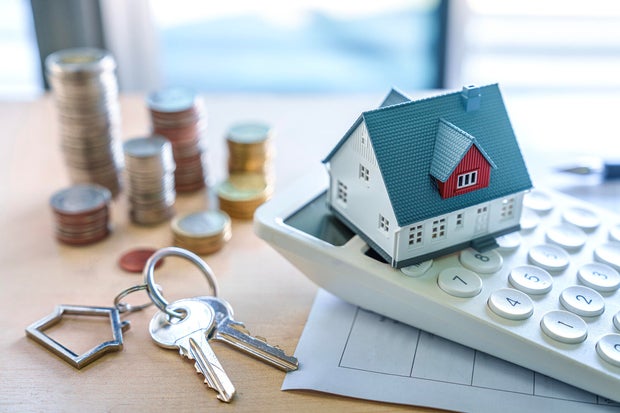
A $75,000 salary remains sufficient to purchase a home today, though it may not afford the same type of property as it once did.
The current housing market presents a variety of financial challenges for potential home buyers. Mortgage rates hover around 6.5%, while home prices remain elevated in many areas. Inflation, reaching 4.2%, adds pressure to budgets already feeling the strain.
This environment leaves many questioning the timing of a home purchase, especially for households earning $75,000 annually. This income, considered solidly middle-class, offered greater homebuying options just a few years ago. Now, higher financing costs, increased insurance premiums, and rising property tax bills impact what buyers can afford.
Understanding affordability has become crucial alongside finding the right property. Knowing how much house you can afford on a $75,000 salary is essential. There are strategies to stretch your budget if needed.
How Much House Can You Afford?
Lenders often use the 28/36 rule: Spend no more than 28% of your gross monthly income on housing and keep total debt payments under 36%. A $75,000 salary translates to about $6,250 monthly before taxes, limiting your housing payment to roughly $1,750.
This $1,750 must cover everything, including property taxes, homeowners insurance, and potentially private mortgage insurance (PMI) if your down payment falls under 20%. Therefore, most homebuyers must reserve part of their budget for these costs, leaving around $1,300 monthly for principal and interest.
With a mortgage rate of 6.5% and a 30-year term, a budget of $1,300 supports a loan around $205,000. Adding a down payment clarifies your target purchase price. A 10% down payment allows for shopping in the $225,000 range, while 20% may stretch to $255,000, removing PMI in the process.
Most earners around $75,000 generally aim for $215,000 to $270,000, based on the cash available and existing debts. Other monthly obligations, like car payments or student loans, directly impact the total-debt ceiling, reducing potential mortgage size.
Stretching Your Homebuying Budget
If these numbers seem restrictive, you can leverage several methods for more flexibility. Enhancing your credit score can help. While 6.5% is average, borrowers with excellent credit may secure rates below this level, allowing room for higher purchase prices.
Addressing debt yields a dual benefit. Eliminating a car loan or paying down credit cards increases borrowing power. A larger down payment decreases the loan need and removes PMI once reaching 20%, redirecting funding towards the house.
Consider loan programs as well. Federally-backed loans may allow down payments as low as 3.5%, and many local first-time buyer programs offer down payment assistance or preferable rates. Location impacts costs, as property taxes and insurance vary by area, affecting budgets.
Conclusion
A $75,000 salary remains enough to buy a home in today’s market, albeit differently than before. Targeting $200,000 to $270,000 is realistic for most, hinging on location, debts, and down payment. Prioritize reviewing your finances, getting pre-approved, and understanding the listing price is one part of a larger equation.
Ensure your calculations align with the 28/36 rule before making decisions.