The Intricate World of Narcissa Niblack Thorne’s Miniature Rooms
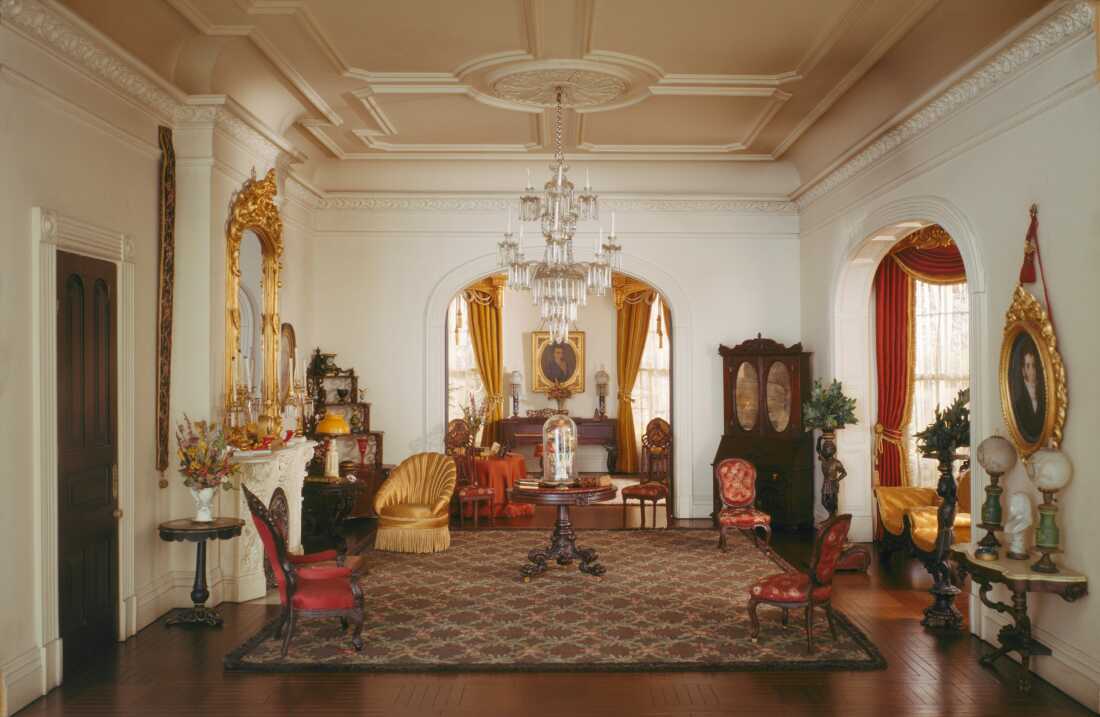
The Art Institute of Chicago houses an exquisite collection of miniature dioramas that capture the evolution of interior design across different eras. Among these is the renowned Georgia Double Parlor, a 1:12 scale model depicting an antebellum southern plantation manor, created by Mrs. James Ward Thorne.
This collection consists of 68 tiny rooms, meticulously crafted to reflect specific design trends and historical periods. The displays, approximately the size of shoeboxes, have become a beloved feature of the museum and are fondly remembered by many Chicagoans from their childhood visits.
Narcissa Niblack Thorne, a member of one of Chicago’s affluent families, is the visionary behind these miniature creations. During the 1930s, Thorne gathered expert craftsmen in Chicago to create an array of rooms, some of which remain on display today. Thorne passed away in Chicago in 1966, leaving behind a legacy of artistic education and appreciation for interior design.
According to Kit Maxwell, curator of the department, Thorne insisted that these rooms were not mere dollhouses but educational tools illustrating good taste and interior design principles. One notable room set in 1930s London showcases a living room complete with a cocktail set, Country Life magazine, and a card game near an open window.
Maxwell, who has been with the department for over four years, expresses a personal fondness for this particular room. The rooms require careful maintenance and cleaning at least twice annually to protect their intricate details and historical value.
Jonathan Worcester, the department’s primary art handler, oversees the cleaning and preservation tasks. His duties include maintaining storage areas, coordinating with mount makers, and preparing artworks for repair. Cleaning each room demands precision and can take between one to three hours as it involves removing dust and soot that could damage the delicate artworks.
Worcester employs various tools, such as brushes, spatulas, tweezers, and an air blower, to ensure the thorough cleaning of every miniature element. A unique tool in his arsenal is a miniature chandelier holder, aiding him in detailed cleaning of these tiny light fixtures.
To clean a room, Worcester proceeds methodically by first unlocking the glass case. He then removes the miniature furnishings before cleaning the interior. Many displays feature additional rooms accessible from the rear of the gallery, requiring careful dusting and maintenance.
Throughout this process, Worcester relies on photographic documentation to accurately replace each item in its original position. One of the remarkable rooms, the California Hallway, features tiny paintings commissioned from famous Cubist artists like Fernand Léger and Amedée Ozenfant, further enhancing the authenticity and historical value.
Worcester describes the meticulous nature of his work as repetitive but essential, emphasizing that maintaining focus is critical. To aid his concentration, he often listens to audiobooks, helping him achieve a meditative state necessary for the task at hand.