How American Flags Are Made
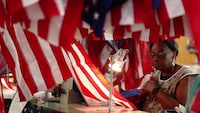
Every American flag begins with a simple thread and undergoes a meticulous process to become a cherished national symbol. As the United States celebrates its 250th anniversary, the American flag will be a prominent feature in various events and gatherings, yet few have witnessed its creation.
Understanding the Flag-Making Process
At Valley Forge Flag Co., located near Charleston, S.C., one of the major manufacturers of American flags, the journey from thread to flag is a well-coordinated endeavor. Workers here transform fibers of red, white, and blue into the globally recognized emblem of the nation.
The Threads that Bind
Every flag’s journey begins with thread. Before the material evolves into a symbol, it undergoes washing and inspection. Ensuring the fabric’s resilience against sun damage is vital, as UV-resistant fibers are essential to maintain the vivid reds and deep blues.
Oliver Fulton inspects blue nylon fabric for imperfections before starting the embroidery process. Gigi Singletary and Anne Belflower prepare the material for embroidery by sewing it together. Some parts of the flag, like the durable polyester canvas header, serve a structural purpose, anchoring the flag and allowing it to endure outdoor conditions.
Sewing the Stars
The stars come first. The Schiffli embroidery machine has replaced manual sewing, a feature of the earliest flag production. Bernard Keels oversees the high-speed machines embroidering the 50 stars on the blue rectangle known as the canton. After the machine completes the pattern, Embroidery Solutions workers meticulously inspect each canton, ensuring no stitches are missing and spacing is even. Even minor defects require correction before a canton advances in production.
While machines handle most embroidery, Makayla Davis manually addresses any machine errors.
Shaping the Symbol
In moments, a piece of fabric transforms into a symbol as red and white nylon strips join the blue starry field beneath the sewing machine’s needle. Workers scrutinize the seams, ascertaining their straightness and flatness, and ensuring the completed flag withstands exposure to the elements.
After Carolyn Bennett carefully withdraws sewn red and white stripes from storage, Carnelia Rodgers joins them to form the flag’s lower half.
Built for Endurance
The final steps ensure durability. Workers fold, stitch, and reinforce the flag’s edges to prevent fraying, focusing on the fly end, which faces the wind’s full force. At Lane Manufacturing in Lane, S.C., the heavy header is sewn on, and metal grommets secure the flag in place in preparation for prolonged display.
For those involved in its manufacture, a flag attains its status only after it passes inspection and receives a final seal of approval. From then on, workers handle them with respect, adhering to traditions associated with the national emblem.
Packed flags await shipment from Valley Forge Flag Co., a company established in 1882. The demand for flags rises during significant moments of national unity or crisis, marking pivotal events in U.S. history, including Pearl Harbor and the September 11 attacks, and continues as the country observes its 250th founding anniversary.