Tinley Park-Park District Nears Completion of Site Cleanup
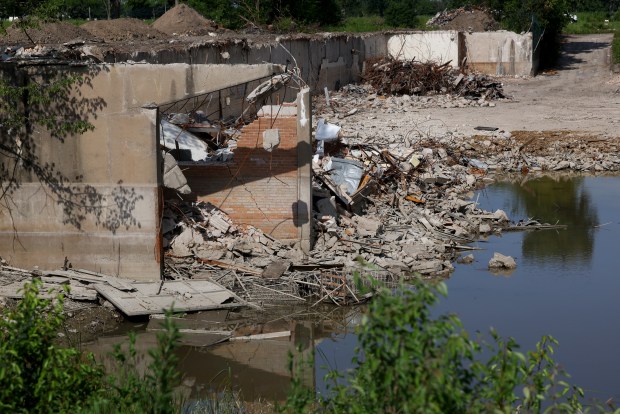
More than two years after acquiring the former Tinley Park Mental Health Center, located at Harlem Avenue and 183rd Street, the Tinley Park-Park District anticipates finishing cleanup by the end of the year. Before starting development, the district is participating in the Illinois Site Remediation Program, initiated in September 2025. Soil sampling is slated for this fall, and the full remediation process might extend for a year from then, as explained by Renee Cipriano, former director of the Illinois Environmental Protection Agency, overseeing the cleanup.
The cleanup included removing asbestos and hazardous materials from buildings, which were then demolished. The remediation aims to remove remaining contaminants to ensure the site is safe for recreational use. Recreational use requires one of the most secure approvals from the IEPA, which might prolong the process according to Cipriano. Despite this, the district intends to develop the property for recreational purposes, keeping their promise to the state and local residents.
Park District board President Lisa O’Donovan stated uncertainty remains regarding specific development plans, costs, and funding. The final usage for recreation depends on community feedback. O’Donovan emphasized the importance of proper cleanup for community safety. During this time, Tinley Park village officials have voiced concerns about the cleanup, funding, and development oversight. Originally the village also aimed to acquire the property for commercial development.
In 2025, the Park District outlined a vision for the property’s 90 acres, including sports fields and playgrounds. Situated along 80th Avenue, this plan connects with Freedom Park, offering expansive recreational possibilities, O’Donovan said. There are suggestions from residents and private developers, like adding pickleball courts and community gardens, but the district plans to consider such offers post-cleanup.
Demolition is ongoing at the site, with structures being removed to comply with safety standards. Although funding plans are not fully established, options include partnerships and using the district’s budget process, as explained by O’Donovan. Since acquiring the property for $1, the district received two major state cleanup grants, totaling $33 million. Some funds remain, intended for further abatement and demolition stages.
State law restricts the site’s use to public recreation, prohibiting gambling or sales. Failure to comply with state mandates would revert ownership back to the state. O’Donovan is committed to adhering to these regulations.
State Rep. Bob Rita praised progress on the site, acknowledging the benefits of environmental cleanup for Tinley Park. Asbestos and water problems were resolved earlier, clearing the way for demolition. Lime pits and storage tanks have also been addressed.
Currently, most buildings faced demolition, with a few remaining, and considerations for any delays like concrete foundations or stormwater issues are being addressed. A tunnel system underneath presents additional challenges, with ongoing efforts to manage it.
As demolition proceeds, more structures such as the powerhouse and water tower are set to be cleared, including the removal of debris while ensuring community safety through air monitoring.
If the schedule remains intact, soil collection for initial remediation could start this fall, with the entire process potentially taking over a year. IEPA has provided feedback on the district’s remediation approach, involving drilling and sampling for contaminants. Bids are being considered for this work, Cipriano said.
Despite the lengthy process, remediation under IEPA oversight ensures safe property management. Community engagement is expected post-cleanup, allowing for surveys, meetings, and stakeholder participation to finalize development plans. Stakeholders include sports programs, schools, village officials, and historical associations. The final decision will involve the Park District commissioners and the Remediate 280 committee.