Iran’s Supreme Leader Ayatollah Ali Khamenei’s Funeral: A Focal Point for Global Tensions
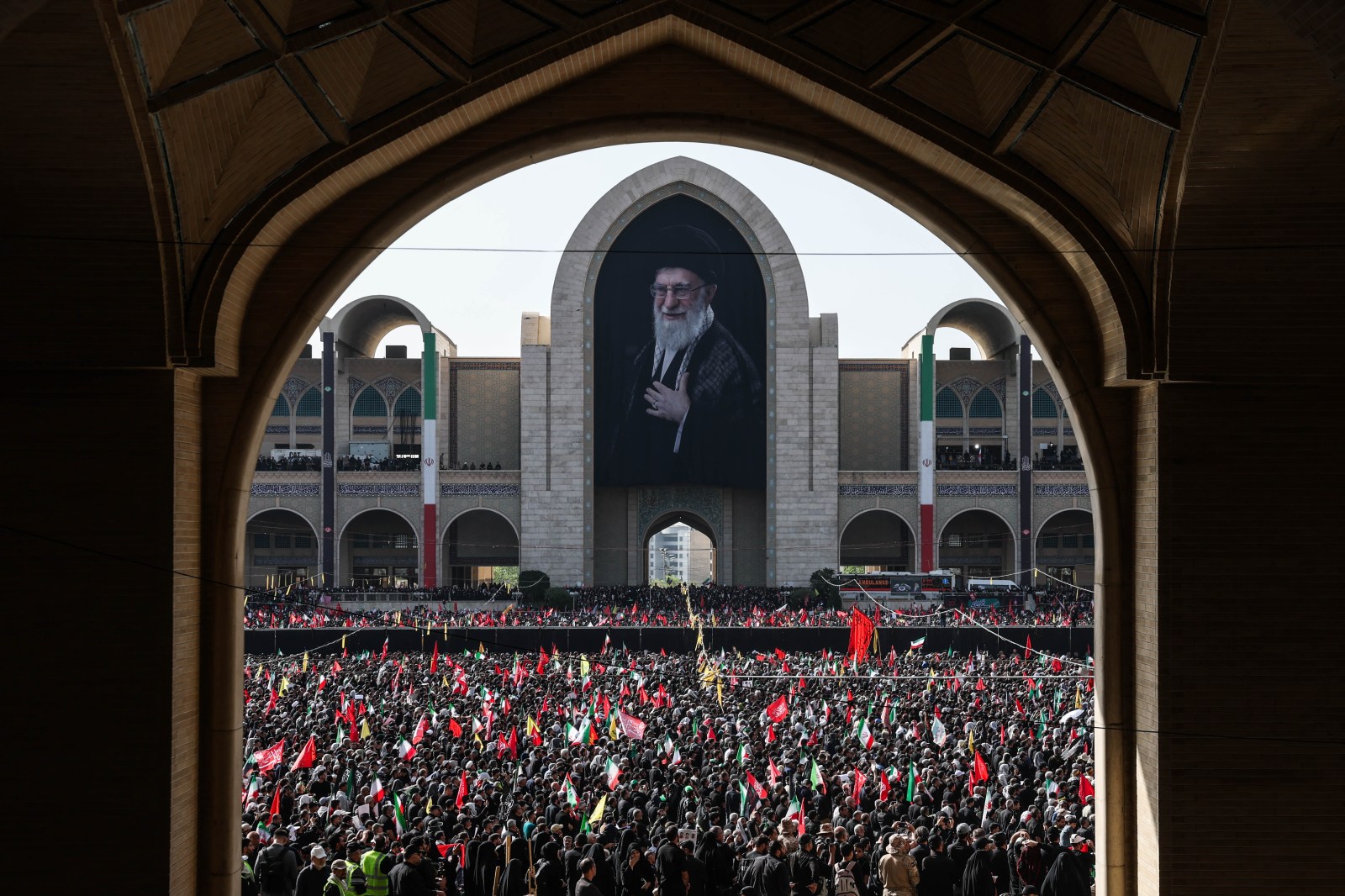
Iran has commenced extensive funeral ceremonies for Supreme Leader Ayatollah Ali Khamenei. These events have become a central point for both mourning and rising tensions involving Tehran, Washington, and Israel. President Donald Trump has made public comments regarding the funeral in a significant holiday speech and an interview, while Iranian officials have issued warnings against any military actions during these ceremonies. They have also announced increased security measures surrounding the events.
Following the conclusion of the funeral, U.S.-Iran talks are anticipated to resume. Statements from both nations have raised questions about whether this period of mourning will influence the next phase of negotiations after the formal peace deal signed last month.
Trump’s Remarks on Iran During Khamenei’s Funeral
Khamenei’s death occurred as a result of airstrikes at the onset of the U.S.-Israel conflict with Iran. These strikes took place on February 28, leading Iranian authorities to schedule funeral ceremonies from July 4 through July 9. These events are expected to draw thousands of foreign delegates and millions of mourners, marking one of the largest public gatherings in Iran since Ayatollah Ruhollah Khomeini’s death in 1989. The ceremonies had been delayed due to security concerns from the ongoing conflict.
During an America 250 celebration at Mount Rushmore in South Dakota, Trump discussed the Iranian situation. In his speech, he remarked, “We knocked the hell out of Iran. They’re eager to settle; they want to settle so desperately. We gave them a week off for a funeral because we’re nice.”
Axios reported the following day that Trump further commented on the gathering of Iranian high-ranking officials and dignitaries at the funeral. He noted, “They are all there. One shot—and we could take them all out, but we’re not going to do that because then we would have nobody to negotiate with.” These comments highlighted the gathering of Iran’s political leaders and Trump’s inclination to maintain future negotiation opportunities.
Iranian Warnings to the U.S. and Israel
Iranian officials have consistently warned the U.S. and Israel against any military actions during the funeral period. On July 2, General Ali Abdollahi, commander of Iran’s Khatam al-Anbiya Central Headquarters, warned Washington and Jerusalem against “any miscalculation” as Iran prepared for the funeral processions. “We warn the enemies of Iran, especially the U.S. and the Zionist regime (Israel), to avoid any miscalculation and to consider the severe retaliation our armed forces would enact in response to any threat and aggression against our country,” Abdollahi stated, according to Iranian state media.
Similarly, Iranian Foreign Minister Abbas Aragchi issued a warning on July 1 following a reported comment by Israeli Defense Minister Israel Katz that Mojtaba Khamenei, Iran’s current supreme leader, was “marked for death.” Amid these warnings, Iran announced increased security measures, including temporary airspace restrictions over key cities like Tehran and Mashhad, where crucial funeral ceremonies will be held.
Attendees of Ayatollah Ali Khamenei’s Funeral
Iranian officials have confirmed the arrival of representatives from over 70 countries for the funeral ceremonies. Millions of mourners are expected to participate over several days. Initially taking place in Tehran, the funeral will conclude with Khamenei’s burial in Mashhad on July 9.
This event holds significant importance beyond a national mourning occasion. For Tehran, it is a moment to demonstrate unity and strength following months of conflict. For Washington, the ceremonies serve as a backdrop for assessing whether diplomatic initiatives can proceed after the leader who significantly shaped Iran’s political and religious structures for over 30 years has passed away. The scale of these ceremonies has drawn international attention due to a unique concentration of Iran’s leadership amid ongoing tensions with the U.S. and Israel.
Post-Funeral Diplomacy
After the conclusion of Khamenei’s funeral, additional events are planned in Tehran, Qom, and Mashhad. Diplomatic discussions between the U.S. and Iran are expected to continue, though no final agreement has been finalized yet.