Challenges and Changes in the U.S. Housing Market
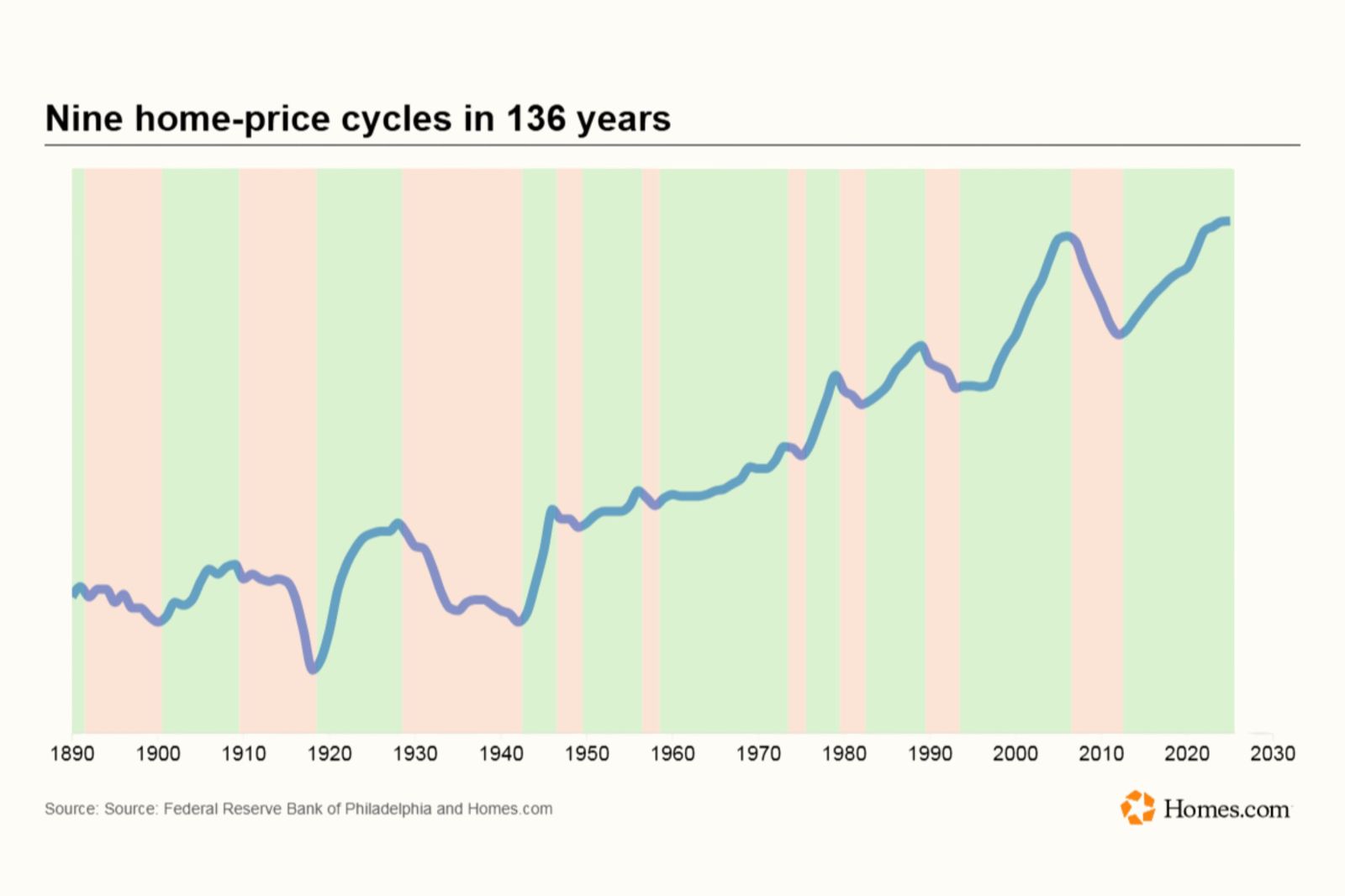
The U.S. housing market faces significant challenges amid rising home prices and stagnant wages. Since the nation’s founding, it’s never been this difficult for Americans to achieve homeownership. Data from JP Morgan indicates a 60% increase in home prices since the COVID-19 pandemic began. Mortgage rates are similarly high, contributing to reduced homeownership levels—65% in 2022, the lowest since 2019, according to Census data.
Current Market Conditions
Daryl Fairweather, chief economist at Redfin, highlights the market’s unique challenges. High home prices combined with elevated mortgage rates create affordability issues, particularly for young, aspiring homeowners. Historically, home prices and mortgage rates maintain a balance with inflation and income, but that balance is currently disturbed.
Brad Case from Homes.com traces the roots of the current crisis to a shift in perception. Homes became seen as investments rather than solely places to live. This perspective change contributed to public policies favoring increased house prices.
Historical Context and Cultural Significance
Historically, the notion of property ownership has been integral to American identity and democracy. Thomas Jefferson and Andrew Jackson emphasized landownership as a democratic foundation. However, the idea of easy land access for settlers often came at the expense of Native Americans, notably through policies like the Homestead Act of 1862.
Homeownership has long been viewed as a pathway to generational wealth and a middle-class lifestyle. Policies and beliefs aimed to make everyone a homeowner, believing it would elevate all to middle-class prosperity. But this dream faltered during the 2007-2008 housing crisis, exposing flaws in subprime lending and regulatory practices.
Market Shifts and Future Possibilities
The current market stalemate results from pandemic dynamics. Lower mortgage rates spiked demand, yet restricted supply maintained high prices. Fairweather notes this supply-demand imbalance, compounded by differing buyer-seller expectations. Despite maintaining high rates, home prices stubbornly resist decline.
To counter the housing shortage, efforts focus on reducing regulatory hurdles for new construction. The goal is long-term improvement rather than immediate results. Berner observes uneven market recalibration, with some regions seeing price drops while others grapple with inventory issues.
Future Prospects
Looking ahead, improved affordability hinges on wage growth surpassing home price increases. Potential stability in mortgage rates could also aid affordability. The expected housing market dynamics shift as baby boomers transition from their homes, prompting opportunities for younger buyers.
Fairweather warns of escalating costs related to climate-driven insurance rises and outdated homes requiring more upkeep. Regions with desirable job markets still face construction shortages despite increased availability of homes from older generations.
Ultimately, Fairweather and Case agree: solving affordability requires wage growth. Additionally, changing the mindset from viewing homes as investments to seeing them as living spaces is crucial for long-term stability in the housing market.