The Hidden History of Track 61 Beneath New York’s Waldorf Astoria
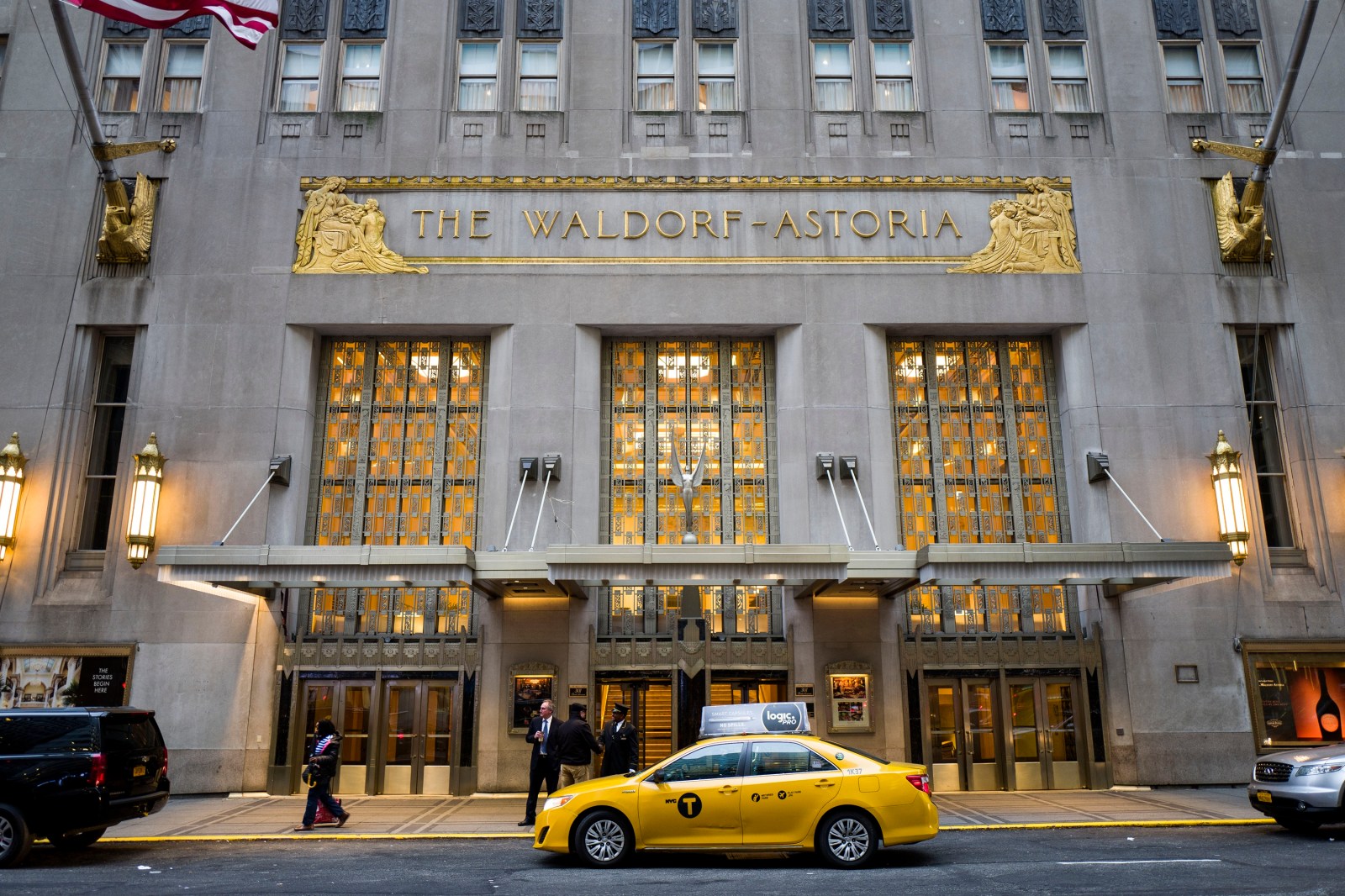
Beneath the renowned Waldorf Astoria hotel in New York City lies an underground platform known as Track 61. This secret location has long been associated with presidents and notable figures who sought a discreet entry to the landmark hotel.
Origins of Track 61
Plans for this hidden station date back to the late 1920s when the construction of the current Waldorf Astoria building was underway, culminating in its 1931 opening. A New York Times article from September 1929, as referenced by Columbia University, revealed details about this private rail access. The article indicated that guests in private rail cars could be directly routed to the hotel, with a dedicated elevator to transport them to their suites or the lobby.
Revival of Historic Buildings
The Waldorf Astoria’s recent reopening after renovation by Skidmore, Owings & Merrill (SOM) highlights a larger trend of restoring historic buildings in the United States. According to the American Institute of Architects (AIA), nearly half of America’s 125 million buildings are over 50 years old. Adaptive reuse projects have surged, with a notable increase in apartment conversions from older buildings, exemplified by 25,000 new units added nationwide in 2024.
Building Above the Rails
The underground siding was possible because the New York Central Railroad tracks ran directly beneath the Waldorf Astoria site. Purchasing the air rights allowed the hotel to build above the tracks. The WPA New York City Guide noted that about 80 percent of the hotel is positioned over the rail tracks, enabling private rail cars to reach a special entrance.
Railway historian William D. Middleton highlighted the unusual feature, noting the hotel’s unique basement rail track. Middleton’s research shows that Track 61 was linked to the hotel by a freight elevator, often used by esteemed visitors arriving in private vehicles.
Notable Visitors to Track 61
General John J. Pershing was one of the early users of the siding during his 1938 visit to New York. Reports indicate that his private rail car was positioned beneath the Waldorf, where medical examinations were held before he made his way into the hotel.
President Franklin D. Roosevelt also utilized Track 61 during the 1944 presidential campaign. While delivering a foreign policy address at the Waldorf, the siding allowed Roosevelt to access the hotel discreetly. Kurt C. Schlichting’s work suggests Roosevelt might have used this secret entry regularly when staying at the Waldorf.
Other notable uses include a 1947 introduction of a diesel locomotive and a 1965 underground party hosted by Andy Warhol. In 1951, General Douglas MacArthur’s arrival was marked by a red carpet leading from his train to the MacArthur suite.
The Current State of Track 61
Today, Track 61 remains mostly inaccessible. A spokesperson from the Metropolitan Transportation Authority (MTA) noted that little has changed over the years, except perhaps the accumulation of dust. Despite this, Track 61 remains an intriguing hidden space with a storied past.