Ukraine’s Air Defense Challenges and Turkey’s Role in NATO
Strikes on Kyiv and Ukraine’s Defense Needs
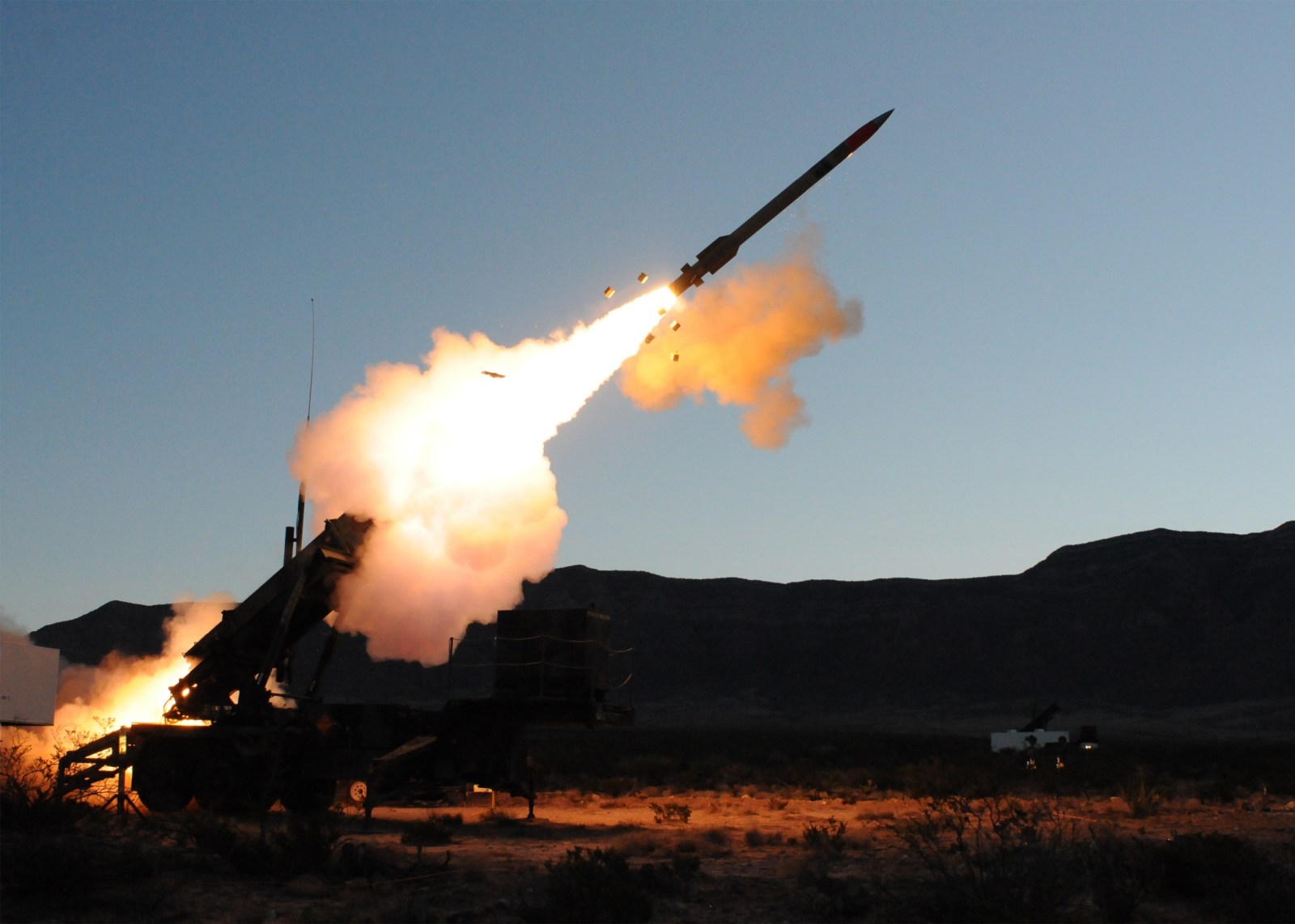
Russia’s recent attacks on Kyiv have been among the deadliest during the Ukraine conflict. These strikes intensified concerns about Ukraine’s defense capabilities, particularly due to a lack of Patriot interceptor missiles. President Volodymyr Zelensky has been focused on securing more support for Ukraine’s air defenses.
Following deadly attacks that claimed 43 lives over a few days, Zelensky called on allies for increased air defense commitments. He highlighted this need ahead of the NATO summit in Ankara, where he planned to meet with NATO chief Mark Rutte. Zelensky’s appeal comes amid reports of the U.S. having reduced its stock of Patriot and THAAD interceptors during conflicts in the Middle East.
Zelensky’s plea for effective NATO action underscores the growing challenges faced in countering Russia’s missile and drone attacks.
Impact of U.S. Stockpile Depletion
The depletion of American missile stockpiles poses a concern for NATO members. Yuriy Boyechko, CEO of Hope for Ukraine, stated that the shortage of interceptors is reminiscent of the situation at the start of Russia’s invasion. The mixed attacks involving drones and ballistic missiles strain Ukraine’s defenses, forcing difficult decisions on resource allocation.
Boyechko explained that the use of interceptors in the Middle East has reduced the availability of these critical resources for Ukraine. Allies have become more cautious about their own stocks, further slowing the transfer of needed munitions to Ukraine.
Iran Conflict and U.S. Stockpile Challenges
Zelensky expressed frustration with U.S. priorities, noting a high use of Patriot missiles during a brief engagement in Iran. A report by the Center for Strategic and International Studies (CSIS) confirmed that nearly half of the U.S. stock of critical interceptors was used, highlighting a shortfall.
Before the conflicts, stockpiles were already considered insufficient for a major confrontation. Restoring these levels could take years. The CSIS report indicated that diminished inventories affect the U.S.’s capacity to deliver Patriots, THAADs, and other missiles to allies.
The U.S. has delayed or canceled several key arms deliveries to Europe, affecting missiles and artillery systems that are crucial for defense.
Turkey’s Influence in NATO
Turkey, with NATO’s second-largest military, holds significant strategic value, especially in confrontation with Russia. Its geographic position allows control over key Black Sea access points under the Montreux Convention. Turkey’s military capabilities make it a crucial partner in Eastern European security efforts.
Turkey’s President Erdoğan plays a pivotal role with NATO’s dynamics. Analysts argue about Turkey’s ability to replace the U.S. role in NATO. Yet, there are concerns about Ankara’s actions that might pose threats to NATO’s southeastern security.
The U.S. and allies should approach negotiations with Ankara pragmatically, avoiding idealistic expectations.
NATO chief Mark Rutte and Turkey’s diplomatic maneuvers at the summit may emphasize Turkey’s standing within the alliance. Meanwhile, the issue of advanced arms transfers to Turkey, like the F-35 fighters, remains contentious due to existing ties with Russia.