Supreme Court Ruling on TPS Affects Thousands
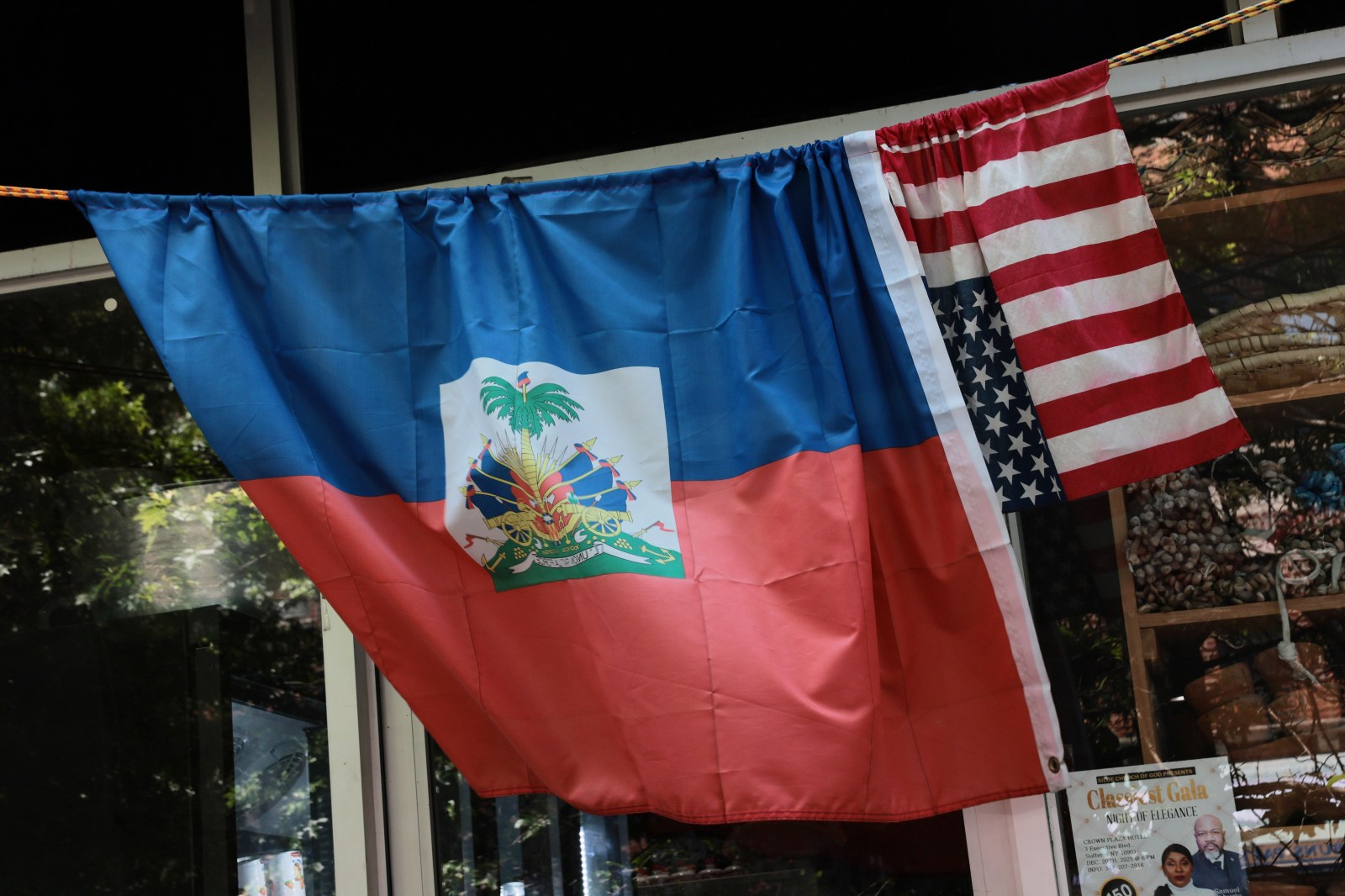
Thousands of immigrants with expiring Temporary Protected Status (TPS) face returning to countries still grappling with unrest and disasters, despite claims from the Trump administration. A U.S. Supreme Court decision impacts TPS holders from Haiti and Syria, leading experts to warn of broader implications for TPS in countries like Venezuela, Afghanistan, Honduras, and Myanmar.
Supreme Court’s Decision
The Supreme Court, in a 6-3 decision on June 25, allowed the administration to end TPS for about 350,000 Haitians and several thousand Syrians amid ongoing litigation. Justice Samuel Alito wrote that federal law restricts courts from reviewing TPS decisions by the Department of Homeland Security (DHS). Justice Elena Kagan cautioned that removing protections prematurely could endanger immigrants’ lives.
The ruling influences more than Haiti and Syria as the administration had already ended TPS for several countries, affecting over a million people relying on the program. Adam Klein, a former DHS official, noted the termination of TPS means losing both removal protection and work authorization.
Challenges of Return
The administration argues that improved conditions justify ending TPS, labeling it a temporary measure. DHS General Counsel James Percival suggested on Fox News that TPS holders should return home but could opt for a financial incentive to leave the U.S.
Syria’s Return Difficulties
The International Rescue Committee detailed return challenges for Syrians. Many returnees to post-Assad Syria found missing services and damaged housing, with nearly half finding conditions worse than expected. Returns were driven by deteriorating conditions in host countries rather than improvements in Syria.
Haiti’s Ongoing Security Issues
Haiti faces gang violence and political upheaval, affecting around 350,000 Haitians in the U.S. with TPS. Advocacy groups challenge DHS’s process in court, highlighting the country’s Level 4 travel warning. The administration insists on improvement in conditions while emphasizing TPS’s temporary nature.
Impact on Other Countries
Venezuelan TPS holders expressed anxiety as protections were revoked, fearing family separation and job loss. They argue little has changed in Venezuela to justify ending TPS, citing economic and political turmoil. Despite U.S. aid following recent disasters, new TPS designations were not offered.
For Afghans and Myanmars, the focus is on safety, with ongoing violence and instability cited by TPS holders who fear persecution if they return. These concerns highlight the varied reasons for TPS and the unresolved issues in these countries.
Future of TPS
The Supreme Court’s ruling underscores the broad authority of the Homeland Security secretary over TPS, with many designations nearing expiration. Advocates worry about shrinking TPS protection without congressional action, leading to severe consequences for TPS holders, including job loss and deportation risks.
Nayna Gupta of the American Immigration Council argues for real legal pathways for TPS recipients. Adam Klein emphasizes that TPS was never meant to be permanent but criticizes the lack of legislative action, highlighting reliance on the executive and judicial branches for TPS decisions.
The Trump administration’s push to quickly end protections highlights the urgency of legislative reform. The realities faced by returning Syrians, Venezuelans, Haitians, and others illustrate the significant impact of ending TPS and the need for continued immigration policy discussion.