Bayer Agrees to Major Settlement Over Roundup Cancer Claims
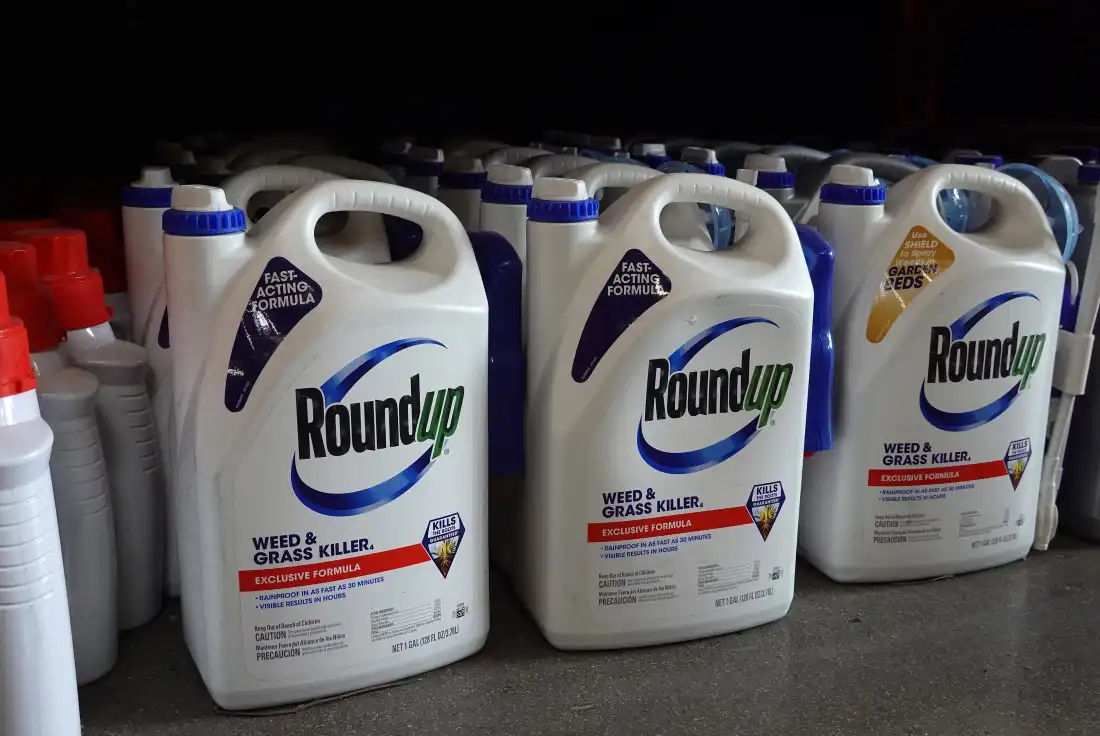
Bayer, a major player in the agrochemical and biotech industries, is set to pay billions in a settlement related to its weed-killer, Roundup. A judge in Missouri has given final approval for this nationwide settlement on Friday, with the potential payout reaching up to $7.25 billion over coming years.
This settlement is designed to compensate people diagnosed with non-Hodgkin lymphoma, a type of blood cancer. Claimants argue that glyphosate, the primary component of Roundup, is linked to their illness. Compensation amounts will vary, from $10,000 to $165,000, depending on various factors including level of exposure to glyphosate and the age of diagnosis.
Bayer’s CEO, Bill Anderson, termed the settlement a “decisive milestone” aimed at reducing litigation risks. Judge Timothy Boyer described it as one of the largest settlements in personal-injury class action history.
The U.S. Supreme Court earlier ruled in favor of Bayer, allowing it to be shielded from state court lawsuits regarding failure to warn about glyphosate’s cancer risk. This followed Bayer’s acquisition of Monsanto, the original maker of Roundup.
Attorney Christopher Seeger, representing the plaintiffs, stated that the order provides “guaranteed compensation to Roundup cancer victims” who have awaited justice for over a decade. This comes on top of a previous settlement where Bayer agreed to a $10 billion to $11 billion payout to settle more than 100,000 claims.
The World Health Organization had previously categorized glyphosate as “probably carcinogenic” to humans, a position supported by prominent scientists in environmental health. Despite this, Bayer disputes such claims and the Environmental Protection Agency found no cancer risks from glyphosate, though it’s reviewing this stance under pressure.
The safety of glyphosate resonates with supporters of Health Secretary Robert F. Kennedy Jr’s agenda. In contrast, the Trump administration sided with Bayer in the Supreme Court and encouraged domestic glyphosate production. Bayer has since removed glyphosate from residential products in the U.S., though it remains in use in agriculture.