Psychological Challenges of Long-Term Lunar Living
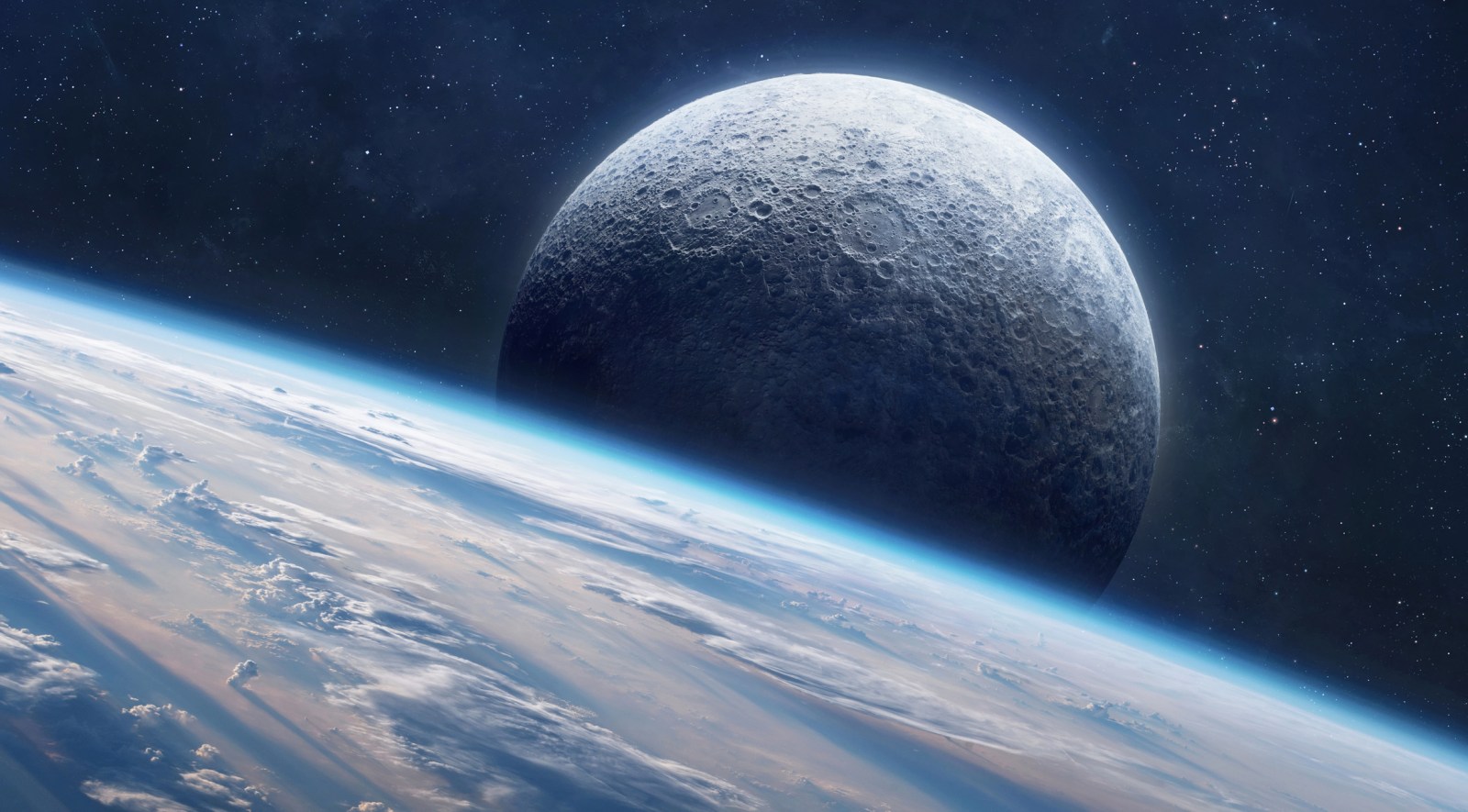
The moon is often seen as a symbol of exploration and potential. However, if NASA’s aim to establish a long-term base near the lunar South Pole is realized, it may present a unique psychological challenge for future inhabitants. Experts suggest that daily life on the moon could alter human thoughts, emotions, and social interactions. This shift offers opportunities for growth but also brings risks related to isolation and separation from Earth.
NASA’s Lunar Base Plans
NASA’s agenda for a permanent lunar base is progressing swiftly. In May, the agency outlined a detailed roadmap, introducing a three-phase strategy with a goal of a ‘sustained human presence’ on the moon by 2032. This phase signifies the point when living and working on the moon becomes routine.
Psychological Demands in Space
NASA identifies psychological stressors in space as a significant concern. Isolation can impair cognitive and behavioral functions. Although methods on the International Space Station (ISS) have mitigated these issues, missions beyond Earth’s orbit may face more difficulties in providing support systems.
A NASA-led study in Frontiers in Physiology noted stable cognitive performance among astronauts on six-month ISS missions, with some fluctuations in processing speed and memory.
The Risk of Isolation
Experts caution that the moon’s harsh conditions could impact mental health severely. Dr. Dave Rabin, a board-certified psychiatrist, indicates that a long lunar stay could profoundly challenge the nervous system. Humans evolved in environments with sunlight, gravity, and natural interaction. Extended isolation might lead to insomnia, anxiety, and cognitive challenges.
Rabin states the moon represents a ‘psychologically brutal’ space. Without environmental stability, residents risk experiencing hallucinations, emotional distress, and disconnection from natural reminders of home.
Impact of Reduced Gravity
Research is uncovering how reduced gravity might affect emotional health. Rabin mentions that gravitational forces influence sleep, movement, and spatial orientation. The moon’s weaker gravity may indirectly impact mood through these changes. Matt Grammer, a professional clinical counselor, agrees, noting that the absence of Earth’s elements can hinder emotional regulation, leading to increased anxiety and depression.
Redefining Human Identity
Dr. Sam Zand, a board-certified psychiatrist, suggests maintaining interconnection will be crucial for lunar settlers. Drawing from experiences of polar expeditions, Zand notes humans need variety to thrive. Future lunar habitats must mimic Earth-like conditions to maintain psychological health.
Experts believe adaptation is possible, yet it may significantly transform human identity. Rabin speculates that a permanent lunar existence could craft a new human identity, culturally influenced by the distance from Earth. The core psychological inquiry will be whether lunar settlers perceive themselves as pioneers or as exiles from Earth.
Conclusion
As NASA progresses towards a permanent human presence on the moon, the challenge lies not only in sustaining life there. It also involves ensuring settlers feel human and connected to their roots. This endeavor requires consideration of both physical and psychological elements.