U.S. Troops Transition from Iraq as New Focus on Economic Ties Emerges
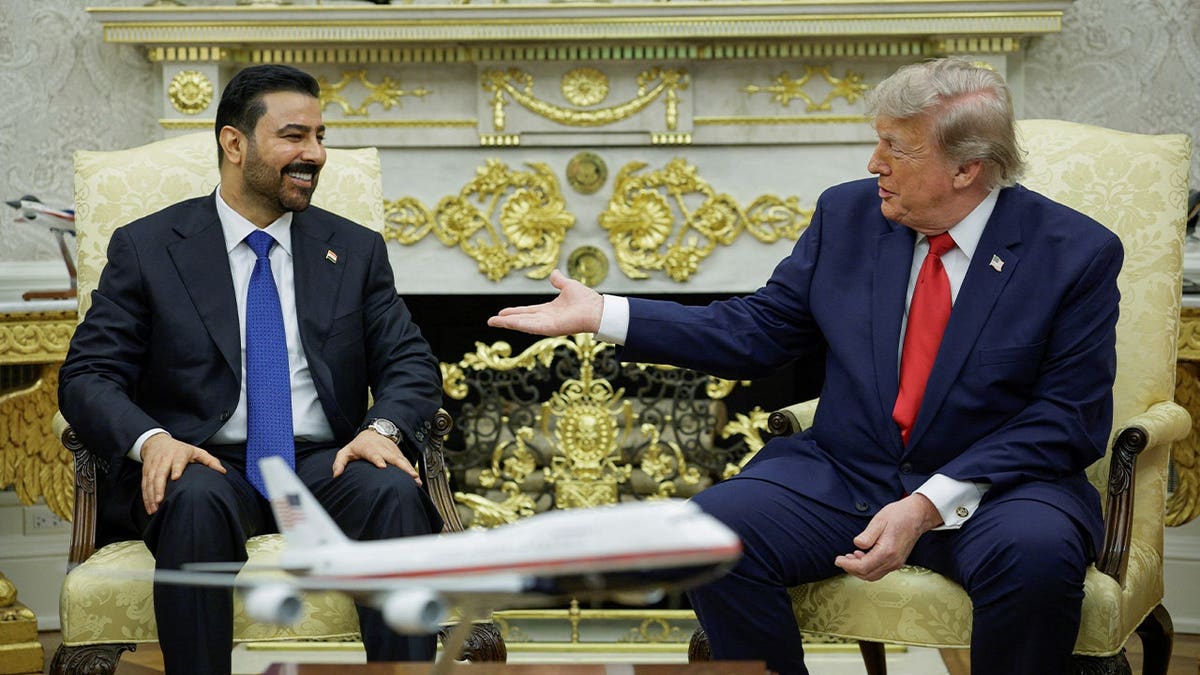
U.S. Withdrawal from Iraq
President Donald Trump announced the nearing end of the U.S. military presence in Iraq, stating that the country no longer requires American troops. The decision comes as Iraq prepares to manage its own security amid changes in the regional landscape. Trump highlighted the weakened position of Iran, contributing to the shift. The conclusion of the U.S.-led coalition mission is set for September 30, marking a pivotal transition.
Iraqi Prime Minister’s Stance
Iraqi Prime Minister Ali al-Zaidi supported this vision, emphasizing that factions operating outside state jurisdiction would lose their justification once the mission concludes. He asserted that Iraq’s security forces could independently protect the nation, emphasizing the importance of limiting weapons access to state control.
Focus on Economic Partnership
According to Trump, future U.S.-Iraq collaboration will involve transitioning from military cooperation to investment and energy development. Al-Zaidi indicated that while U.S. forces would leave Iraq by September 30, American companies would remain, fostering economic ties.
Changing Dynamics
Trump underscored the transformation in Iraq’s security environment, asserting that Iran was destabilized, significantly reducing its military capabilities. This change allowed for the replacement of military partnership with economic collaboration. The Trump administration planned substantial U.S. energy investments, illustrating American companies’ willingness to engage in business instead of conflict.
Background and Future Implications
Iran has long wielded influence in Iraq, partly through political parties and militias within the Popular Mobilization Forces. Washington encouraged Baghdad to integrate these entities into the state’s security infrastructure. Under a 2024 accord, the U.S. and Iraq agreed to wind down the coalition’s military involvement starting in September 2025. Initially, American troops supported counter-ISIS activities linked to nearby Syria, though a significant reduction of forces has taken place.
U.S. troop deployment once reached 170,000 during 2007’s peak of the Iraq war. Prior to the drawdown in September 2025, around 2,500 U.S. personnel remained. Nearly all forces had withdrawn by 2011 before returning in 2014 to combat ISIS.
Political Landscape in Iraq
Prime Minister Al-Zaidi, a newcomer in Iraqi politics, assumed office amid political stalemate following Trump’s endorsement. Trump’s backing opposed a comeback by former Prime Minister Nouri al-Maliki, who was considered too Iran-friendly by the administration. In an Oval Office meeting, Trump commended al-Zaidi’s leadership and predicted his influence would extend regionally, claiming he played a part in al-Zaidi’s ascent to power.