Cyclospora Outbreak: Health Officials Struggle to Find Source in Midwest
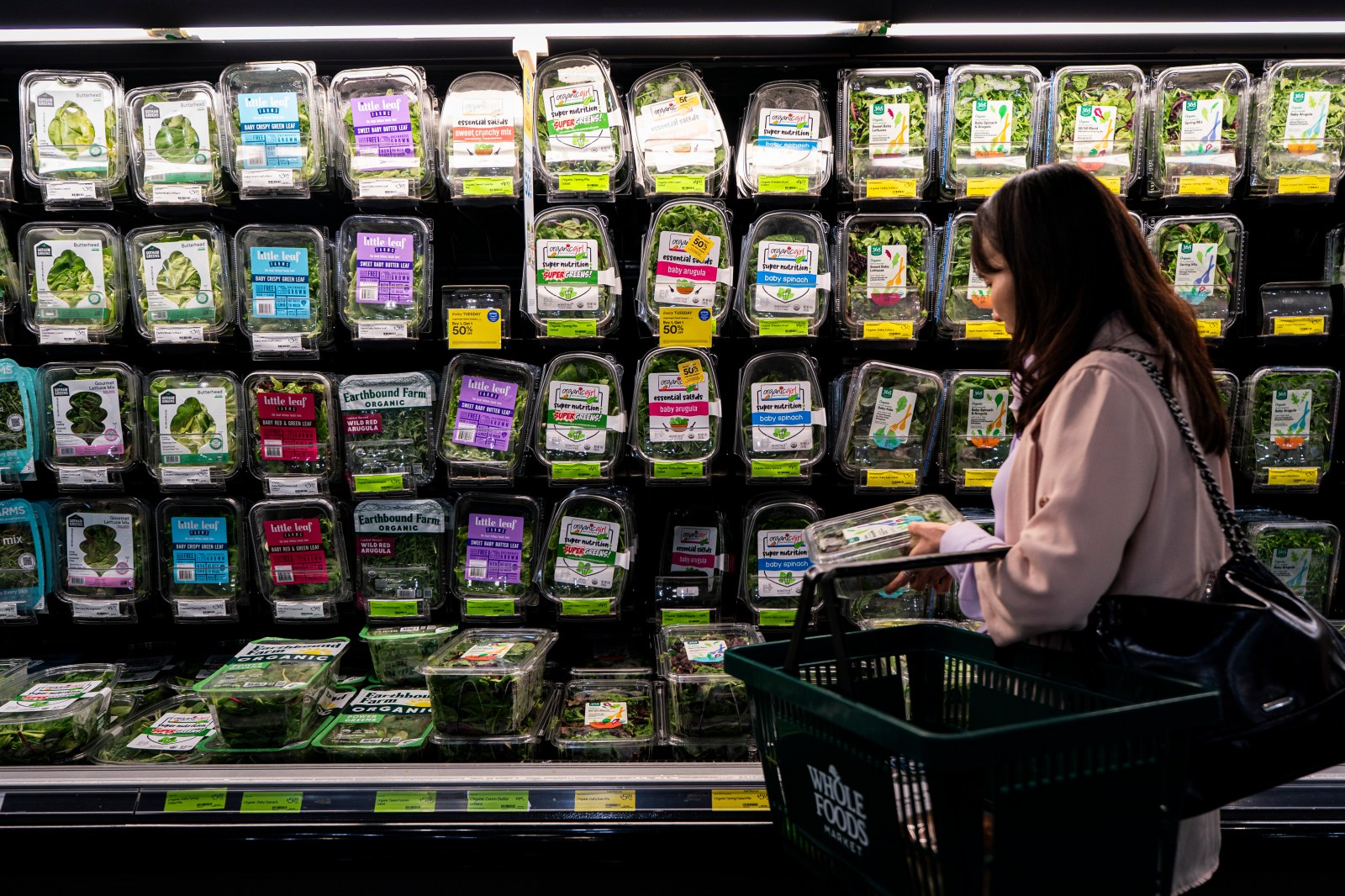
A parasitic outbreak causing severe diarrhea and other symptoms is spreading across the Midwest. Health officials caution it may take weeks to pinpoint the source. As of mid-July, more than 3,000 cases of cyclosporiasis, caused by Cyclospora cayetanensis, have been reported in Michigan and Ohio. Additional cases have emerged in West Virginia and Kentucky. Nationally, over 7,000 cases have been confirmed or are under investigation across 34 states since May.
Michigan health officials suspect lettuce or salad greens may be the culprit, though other foods have not been ruled out. Investigators from the Centers for Disease Control and Prevention (CDC) are gathering information to solve the outbreak. Federal officials expect the outbreak to persist through August as contamination is traced through the food supply chain. Despite cyclospora making headlines, it is not the only parasite that can hide in everyday fruits and vegetables.
Expert Insights
Jason Reese, a food safety expert and co-founder of Wagner Reese LLP, discussed the cyclospora outbreak with Newsweek. He highlighted the difficulty in tracing cyclospora, noting, “The spread occurs when contaminated fecal matter enters food or water and then a person’s mouth.” Reese explained that contamination often happens at farms or during processing due to tainted irrigation water, poor worker hygiene, or supply chain issues.
Reese advised caution with certain produces, saying, “Bagged salads, herbs like cilantro and basil, green onions, snow peas, leafy greens, and raspberries are riskiest.” He warned that contamination is often invisible and may take a week to cause symptoms, complicating traceability.
Parasitic Threats
Jill Roberts, a microbiologist and professor, discussed various parasites with Newsweek.
Cyclospora
Cyclospora is usually found in imported produce. Past outbreaks were linked to basil, cilantro, snow peas, and berries. It has been detected in lettuce, which might be linked to the current outbreak. Washing removes around 80% of the pathogen, but cooking fully eradicates it. Although seldom dangerous, patients should avoid dehydration. Historically, U.S. outbreaks were traced to imported food.
Cryptosporidium
Cryptosporidium is commonly found in water and produce washed with contaminated water. Washing helps only if clean water is used, and cooking kills the parasite. It poses a threat to those with weakened immune systems, and prolonged diarrhea warrants medical attention. It resist chlorine and needs filtration to remove. In 1993, it caused the largest waterborne disease outbreak in U.S. history in Milwaukee, following a treatment plant failure.
Giardia
Giardia duodenalis, or G. lamblia, spreads through water and produce washed with contaminated water, similar to cryptosporidium. It is chlorine-resistant and removed through filtration. Cooking kills Giardia, which is treatable and rarely dangerous, though persistent diarrhea should be checked by a doctor. Commonly found in pets, it can spread to owners. Labs often test for Giardia and cryptosporidium together due to their similar behavior.
Toxoplasma gondii
Toxoplasma is linked to undercooked meat, particularly pork, and contaminated shellfish and produce. Cooking to proper temperatures kills it, while washing produce is partially effective. Most infections are mild, but it can cause severe eye, lung, and brain infections. It poses a significant risk to the immunocompromised or pregnant individuals. Roberts advised pregnant women to avoid handling cat litter, as cats can spread the parasite. Toxoplasma ranks as a major cause of death and hospitalization from foodborne pathogens in the U.S.
For this story, Newsweek editors Kara Dolman and Sam Wilson played a crucial role.