The Ongoing Issue of Online Harassment in Sports
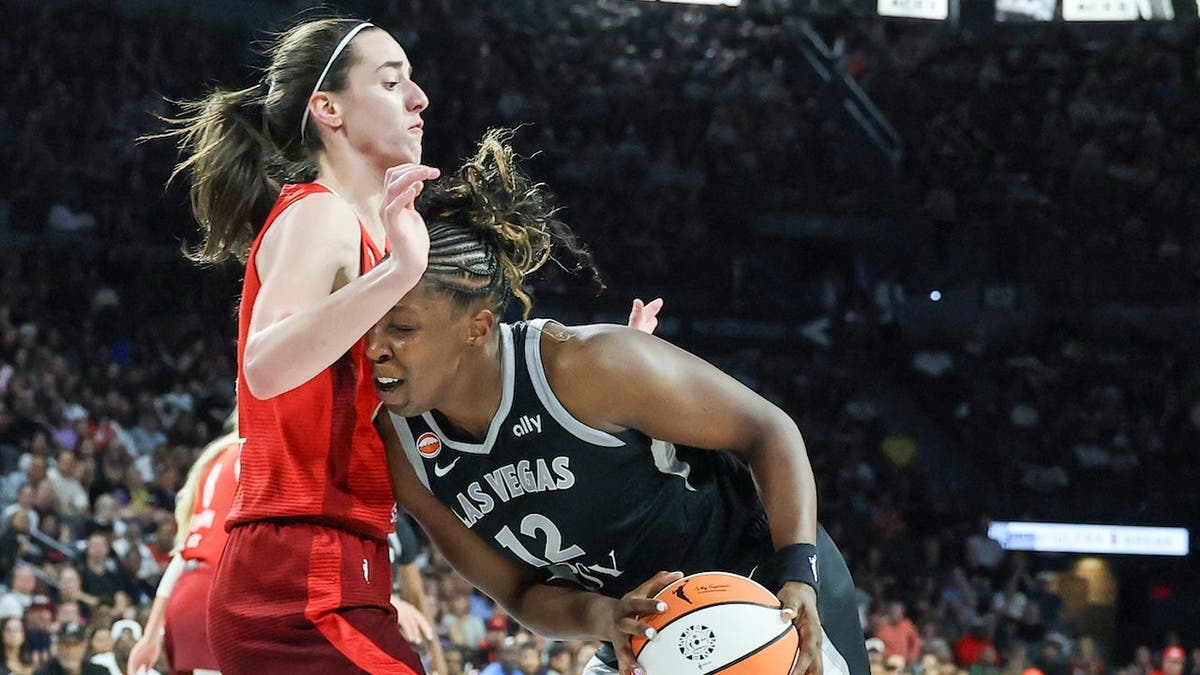
Hilton Grand Vacations recently took action by terminating an employee accused of sending a racist message to Chelsea Gray, a guard for the Las Vegas Aces, on social media. Gray shared a screenshot of the offending message on Instagram, highlighting the reality many athletes face.
Social media has become a platform where public figures often encounter hate and threats. This issue is not exclusive to WNBA players; it extends to many people in the public eye. Athletes like Chelsea Gray, Alyssa Thomas, and Angel Reese have discussed these experiences publicly, raising awareness of the problem.
People act like we make this stuff up. The audacity to tell us to ‘shut up and dribble.’– Chelsea Gray
The prevalence of online negativity prompts discussion about the appropriate response. Some WNBA players choose to share these incidents to highlight the harassment they face. Meanwhile, critics argue that giving attention to trolls only encourages them.
The case of Caitlin Clark highlights this issue. Last year, a man was arrested for stalking Clark and sending her numerous threatening messages. This incident underscores the serious nature of these threats and the importance of addressing them through proper channels.
However, there are questions about the role of league officials like WNBA Commissioner Cathy Engelbert in managing social media conduct. The expectation for stern action against anonymous online threats raises challenges, as a basketball league cannot control the vast digital landscape.
Public figures such as ESPN analyst Mina Kimes have also faced online harassment. The incident involving Kimes brought attention to the broader issue of media personalities receiving hate for expressing their views. This raises questions about the balance between leveraging public platforms and managing resulting scrutiny.
If organizations like Hilton continue investigating and dismissing employees over online misconduct, it could significantly affect the workforce. Online trolls thrive on attention, and the best strategy to counteract them is often ignoring their provocations.
As the conversation around online harassment continues, it’s clear that public figures need resilience to handle the pitfalls of fame. Choosing to engage with negativity can inadvertently amplify the issue, while resilience and discretion may serve as more effective tools in this battle.