Canadian Wildfires Impact Air Quality Across U.S.
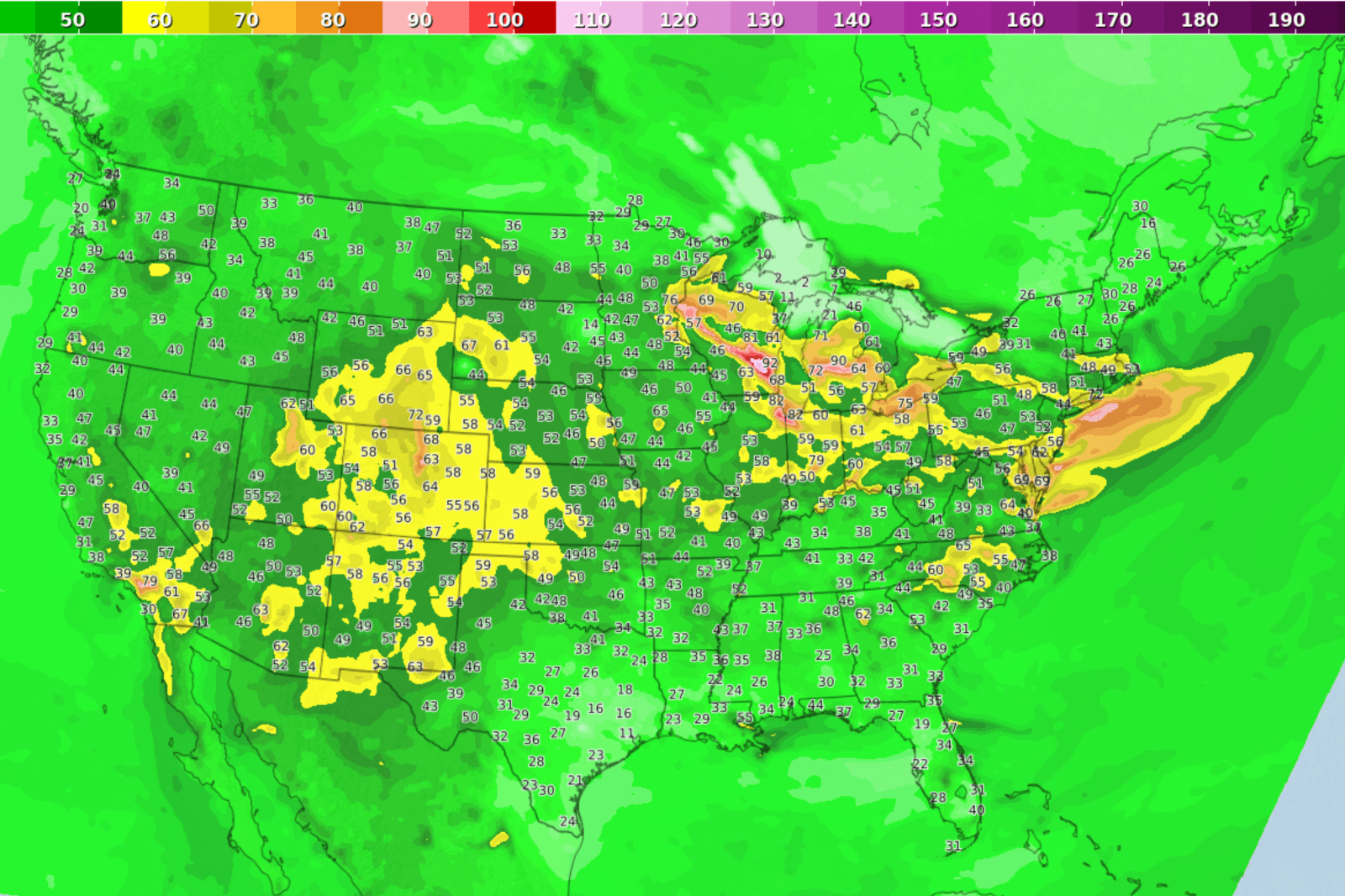
Smoke from over 800 wildfires burning in Canada is spreading into the United States, leading to air quality alerts in several states and causing visible haze in areas like New York. This influx of smoke has lowered visibility and increased harmful particulate pollution.
Health Warnings and Impacts
Officials have warned that the smoky conditions could pose health risks, especially for children, older adults, and those with respiratory or cardiovascular issues. As of the 2026 wildfire season, this occurrence is one of several cross-border smoke events affecting large parts of the U.S. Northeast and Great Lakes regions.
The New York State Department of Environmental Conservation (DEC) and Department of Health (DOH) have extended an Air Quality Health Advisory owing to the smoke and elevated pollution levels.
Measures Taken in New York
New York City officials have implemented emergency measures in response to the smoke coinciding with the summer heat. Mayor Zohran Mamdani advised residents to stay in air-conditioned areas, reduce outdoor activities, stay hydrated, and check on vulnerable neighbors. Free KN95 masks are being distributed as forecasts predict air quality could fall into the ‘Unhealthy’ category.
Governor Kathy Hochul has urged people to keep abreast of air quality conditions, particularly sensitive groups, as smoke remains a concern across New York City, Long Island, the Hudson Valley, and other parts of the state.
Other Affected Areas
Apart from New York, smoke from Canadian wildfires has led to air quality alerts across the Midwest, Great Lakes, and Northeast states. Affected states include Minnesota, Michigan, Illinois, Indiana, Ohio, Pennsylvania, and West Virginia. The Minnesota Pollution Control Agency reported that air quality could reach the ‘Maroon’ or Hazardous level in certain areas. In Michigan, pollutant levels were anticipated to reach ‘unhealthy’ or ‘very unhealthy’ levels. Pennsylvania’s Department of Environmental Protection issued Code Red alerts, with smoke expected to persist through Friday.
Health Risks and Recommendations
Health experts highlight the dangers of PM2.5 particles found in wildfire smoke, which can enter the bloodstream and cause various symptoms including coughing, shortness of breath, and exacerbation of asthma and heart conditions. To mitigate risks, authorities advise reducing outdoor activities, closing windows, using air conditioning or filtration systems, and wearing N95 or KN95 masks outdoors if necessary.
Future Monitoring
Air quality experts continue to monitor smoke movement, and residents should check local forecasts as changing winds can quickly alter smoke concentrations. With high temperatures coupling with poor air quality, concerns remain until conditions improve.