Debate Over Bike Lane Removal Sparks Safety Concerns
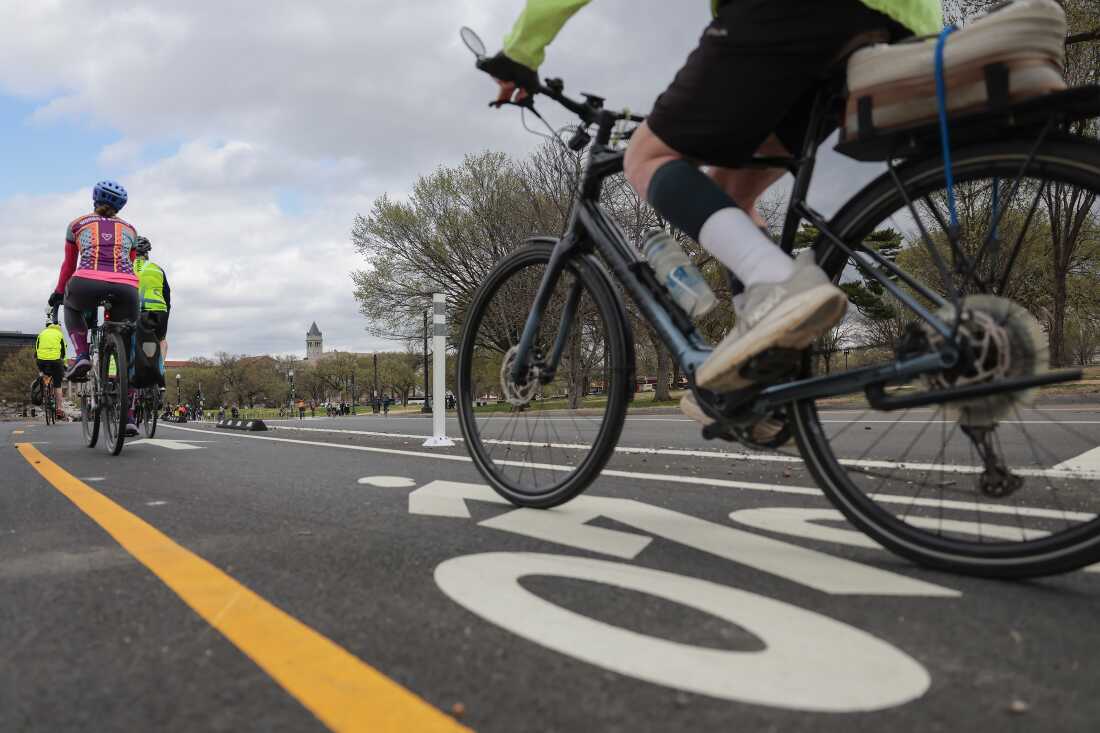
Cyclists recently staged a protest along 15th Street in Washington, D.C. after plans to eliminate bike lanes prompted public opposition. The protest occurred on March 23, 2026, following the Department of Transportation’s push against these lanes, labeled as ‘DEI bike lanes’ by Transportation Secretary Sean Duffy.
The Federal Highway Administration (FHWA) has quietly eliminated bike lanes, speed cameras, and other safety practices from its ‘Proven Safety Countermeasures’ list. These measures are known to reduce crashes and save lives. The FHWA stated the changes stem from a broader evaluation to ensure alignment with current policies and priorities.
Critics argue the removal undermines established safety strategies. Stephanie Pollack, former acting administrator of the FHWA under President Biden, emphasized the need for evidence-based decisions about safety. Pollack noted difficulty in reconciling claims of prioritizing safety while making arbitrary decisions.
Under Pollack’s oversight in 2021, the FHWA list expanded to 28 recommended strategies for state and local planners. Recently, the FHWA removed five strategies, including bike lanes and speed safety cameras. The decision lacks public announcement or explanation, reducing the list to 23 strategies.
A spokesperson for FHWA mentioned actions to reverse policies that decreased lane capacity and heightened congestion. The statement emphasized reinvesting tax dollars into road infrastructure rather than social initiatives affecting commutes.
Bike lanes have been a common target. The Trump administration previously attempted to remove bike lanes near the National Mall and withdrew funding for nationwide projects deemed detrimental to cars.
The FHWA’s website changes were first noticed by safety advocates after the DOT announced over $1.7 billion in grants. The grants omitted funding for bike lanes or pedestrian projects—contrasting the Biden administration’s funding of paths nationwide.
Transportation Secretary Sean Duffy criticized the previous administration’s funding allocations, redirecting $1.73 billion away from DEI pet projects, asserting the latest grants focus on road improvements.
Some critics pointed out the federal government’s recognition of bike lanes’ safety benefits. By last week, bike lanes and other strategies were removed from the FHWA’s website.
Although the safety countermeasures list doesn’t dictate government funding directly, it influences state and local decisions. Josh Naramore from NACTO noted that removing tools from the toolkit impacts agencies’ ability to justify lifesaving projects.
For instance, speed cameras face opposition despite evidence of enhancing road safety and reducing crashes on urban arterial roads by up to 50%. Bike lanes can reduce crashes by up to 49% on four-lane roads.
Former FHWA staff highlighted rigorous analysis supporting these strategies. Michael Griffith, a former longtime FHWA safety office employee, emphasized that ‘Proven’ is backed by credible research.
Last year, more than 36,000 were killed on U.S. roads, reflecting a decline since 2021. Pedestrian deaths also decreased since 2022 but remain higher than pre-pandemic levels.
Overall, safety advocates stress the urgent need for credible measures to address the U.S.’s unacceptable roadway death statistics. Pollack reiterated the importance of research-backed measures aiding smart decisions to enhance road safety.