Delays in Deployment of Body Cameras for Federal Immigration Agents
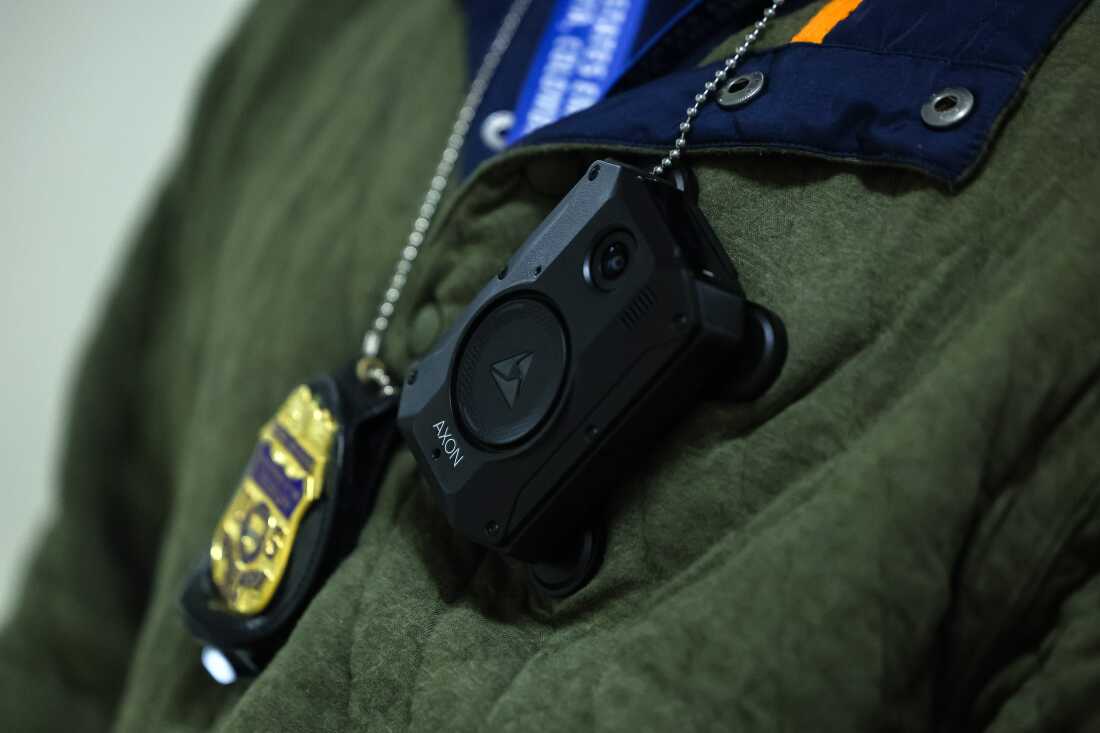
The use of body cameras by federal immigration agents has been under scrutiny following recent incidents. Despite the Department of Homeland Security’s (DHS) promise to equip agents with body cameras after the killing of two U.S. citizens by immigration agents in Minneapolis in January, the rollout has faced delays.
In recent events, federal agents shot two immigrant fathers, Lorenzo Salgado Araujo in Texas and Joan Durán Guerrero in Maine, claiming public safety threats. However, neither officer wore body cameras. This situation has led lawmakers like U.S. Sen. Susan Collins to advocate for faster deployment of body-worn cameras, emphasizing their importance in protecting both law enforcement personnel and civilians.
“This incident shows how imperative it is that we have a mandate for body-worn cameras,” Collins said during a press briefing.
Body cameras are crucial for accountability, especially in cases of alleged misconduct. Lauren Bonds of the National Police Accountability Project highlighted their role in uncovering excessive force and supporting civil rights claims.
DHS faced financial and logistical challenges in distributing body cameras after the shootings in Minnesota. White House Border Czar Tom Homan mentioned that hundreds of cameras were purchased but not enough for all ICE agents. Although Congress allocated $31 billion for technology, including body cameras, a mandate for their usage was not established.
Government shutdowns have contributed to the delay in deploying cameras. DHS’s statements suggest they have not prioritized body cameras, as noted by David Bier from the Cato Institute. Despite the funds available, implementation has been slow, with Bier critiquing DHS’s reluctance to publicize their agents’ actions.
Homan mentioned ongoing training for agents to use body cameras, stating that half of the field offices are equipped, with complete deployment expected within two months.
“Ensuring all of our ICE law enforcement officers have body cameras nationwide is a top priority for DHS,” read a statement from the agency.
However, Bonds noted that body cameras might not prevent misconduct, as officers can opt not to activate cameras or erase footage. The best solution might be limiting officer interactions with the public.
Bystander videos have contradicted DHS’s claims in recent shootings, revealing discrepancies in official narratives. Witnesses and surveillance footage have provided critical insights, emphasizing the need for transparency in law enforcement operations.