Private Schools and Public Funding: The Inconsistent Oversight and Its Consequences
Private Schools and Public Money
State legislatures are directing funds to private schools, leading to rapid growth and significant consequences. States such as Florida are showing minimal interest in overseeing these schools’ operations, curricula, or performance.
Questionable Leadership
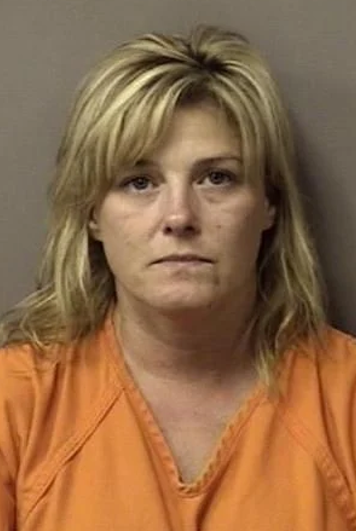
Cases in Florida highlight troubling backgrounds of private school leaders. A teacher previously convicted of sexual abuse now operates a private school. Another individual banned in Ohio for fiscal misconduct easily opened a school in Florida.
National Growth and Oversight
Private schools are expanding with government funding. Many states opt out of regulating these schools, neglecting student safety and educational quality. Arizona, for example, prohibits oversight of private schools.
Impact of Voucher Programs
Voucher-style programs fuel nationwide growth. Over 1.5 million students now use public money for private education. However, these schools can deny admission to students with disabilities, contrasting public school policies.
Accountability Concerns
Private schools accepting public funds face less scrutiny than public schools. Critics worry about diminishing public education standards, while rules governing private schools remain minimal.
Cases Highlighting Issues
“I’ve got the West Virginia codebook, which governs public education, which is over 1,300 pages long,” mentioned Paul Hardesty, President of the West Virginia Board of Education, criticizing permissive private school regulations.
Examples of Rapid Expansion
Arkansas and West Virginia have seen new private schools despite fewer school-age children. Controversial practices like corporal punishment are permitted in private institutions.
Regulatory Challenges
Advocates argue against imposing restrictions on private schools, fearing stringent oversight deters them from accepting public funds.
State Inconsistencies
In Florida, the Department of Education claims no jurisdiction over private schools. Regulations are weak, leaving students vulnerable. School founders with troubling backgrounds are rarely barred from opening institutions.
A Conviction and a New Beginning
Some leaders continue operations after criminal charges. Lisa Helton, formerly convicted in Ohio, launched a new school in Tampa despite past misconduct.
Community Action
A retired detective, Kat Powers, raised awareness online about a school’s founder with a criminal background, sparking public concern.
Local and state responses included media attention and withdrawal of funding after a fraudulent application was discovered.
Authorities, parents, and community members continue to expose issues within private schools. As growth persists, oversight remains a critical concern.