Renovation Issues at Lincoln Memorial’s Reflecting Pool
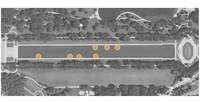
The Reflecting Pool at the Lincoln Memorial experienced peeling of its lining in at least seven locations. These areas peeled along seams created during the renovation process, indicating potential installation errors. This assessment is based on a Washington Post analysis, utilizing visuals and interviews with experts.
President Donald Trump attributed the damage to vandalism, claiming that it occurred soon after the $14 million renovation ended in early June. On his Truth Social platform, Trump described severe damage caused by vandals, mentioning lengthy cuts and disruptions in the pool’s surface. Interior Secretary Doug Burgum echoed similar sentiments, stressing the pool’s damage was due to intentional vandalism.
However, reports from Washington Post journalists who visited the site on June 25 found evidence of peeling in seven locations. These issues were discovered along the pool’s long edges, revealing possible errors during application.
An analysis compared the affected spots with satellite images, photos, and videos. The peeling occurred at seams between differently timed painted areas. Experts in waterproofing materials observed the failure patterns, noting workmanship issues could be at fault. They emphasized that seams require careful attention and are vulnerable to problems.
When questioned by the Washington Post, White House and Interior Department representatives denied any application mistakes. Both departments claimed vandalism caused the damage. However, no evidence has been provided to substantiate the allegations.
The renovation process involved using materials from Rhino Linings, namely Rhino 406 and Pipeliner 5000. The procedures entailed applying a light blue epoxy base followed by a dark blue hybrid polyurea for waterproofing. Documentation showed application errors such as exceeding recommended time intervals, which led to adhesion failures.
Pipeliner 5000 needed to adhere within a specific timeframe for proper bonding. Five spots showed failure due to delayed application, while experts blamed seam mismanagement.
Vito Mariano, president of Basecrete Technologies, noted the importance of maintaining a monolithic coating. Issues often arise from starting and stopping, requiring attention to seam preparation. Expert Michael Bushnell suggested sanding and angling edges for better adhesion.
Visuals failed to indicate seam treatments, leaving doubts about the thoroughness of the application. Contractors Atlantic Industrial Coatings and Mid-America Industrial Coatings did not respond to inquiries.
The latter’s Rhino Linings-based project faced criticism for localized finish separation not affecting the underlying membrane.
A no-bid contract was awarded to Atlantic Industrial Coatings for repainting and waterproofing, necessitating help from Mid-America Industrial Coatings due to time constraints. The Reflecting Pool held 4 million gallons of water but was plagued with algae and leaks. A previous renovation addressed these by installing a hydrophilic joint.
The pool saw severe algae blooms after reopening, prompting partial drainage and repair plans by Atlantic Industrial Coatings. Repairs may cost tens of thousands of dollars.