Orthodox Jewish Opposition to Permanent Daylight Saving Time
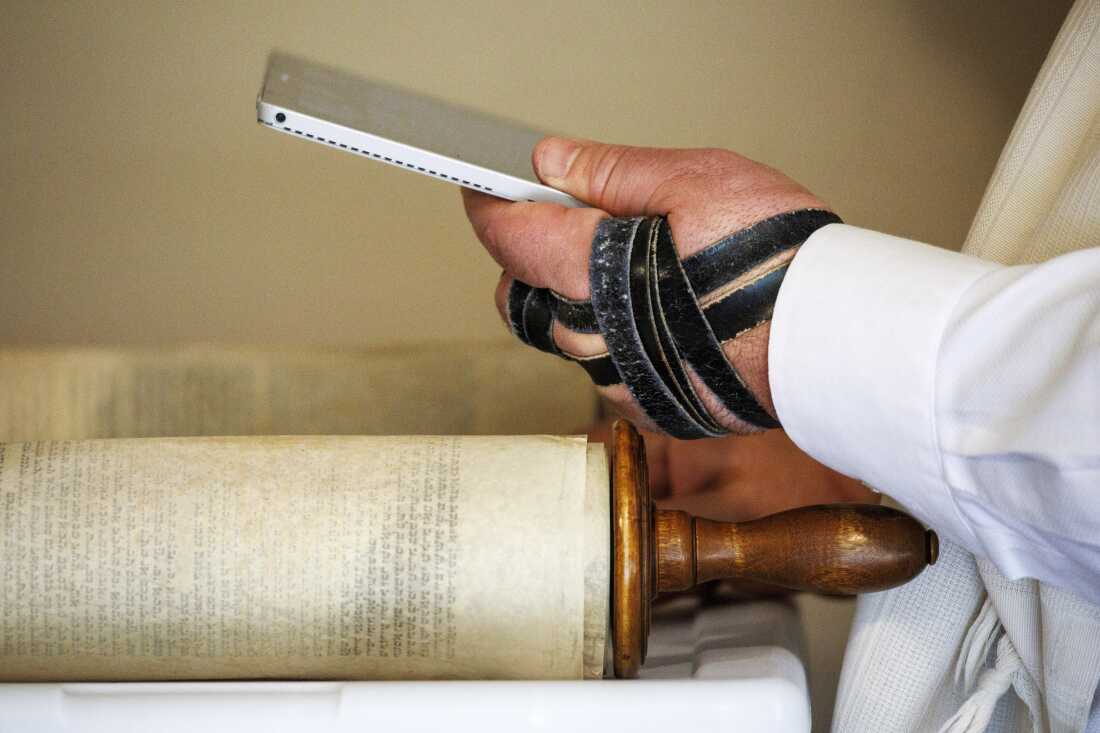
Rabbi Haim Ovadia reads the Torah to participants in a virtual minyan via Zoom from his Maryland home in 2020. This image, captured by Jacquelyn Martin/AP, underscores the growing intersection of technology and religious practices.
This week, daylight saving time’s permanence edged closer to reality. The House of Representatives voted decisively in favor of eliminating the annual clock-changing practice. The Sunshine Protection Act, approved by a 308-117 vote on Tuesday (July 14), will now proceed to the Senate. However, its passage is uncertain.
Despite the broad support, several Orthodox Jewish organizations are resisting this change. President Donald Trump has championed the measure, criticizing the twice-yearly alterations as ‘ridiculous’ on his Truth Social platform. If enacted, the bill promises Americans an extra hour of evening sunlight during winter. Yet, it would delay winter sunrises by an hour, which deeply concerns Orthodox Jews.
‘The bottom line is, if prayers have to start an hour later, it will directly impact people going to work and affect school start times,’ noted Rabbi A.D. Motzen, national director of government affairs for Agudath Israel of America.
Orthodox Jewish groups including the Orthodox Union and the Coalition for Jewish Values oppose the measure. Jewish law dictates that certain prayers, like those in the Shacharit morning service, be said communally within a quorum of 10 Jewish adults, termed a minyan. This necessitates attending synagogue before work or school for collective prayers like the Shema.
The morning service generally takes 35 minutes, though it can extend to nearly an hour on certain occasions. Rabbi Motzen explains that communal issues arise when long-standing synagogue routines are disrupted due to changing prayer times, affecting participation.
Despite Orthodox Jews comprising just 9% of the 5.8 million Jewish adults in the U.S., their concerns are significant. Larger Jewish groups have not declared a stance yet.
Congress has long debated clock-switching practices. In 1974, efforts to eliminate it were reversed after public feedback. A similar bill passed in 2022 by the Senate later collapsed in the House.
Opposition to permanent daylight saving time extends beyond Orthodox Jews. Medical experts suggest aligning with standard time better suits the human body’s clock. School boards and parents express alarm over children navigating dark winter mornings, a concern shared by Orthodox Jews.
This time change means sunrise post-8 a.m. in most regions, with select areas seeing post-9 a.m sunrises. Agudath Israel lists South Bend, Indiana, where sunrise would occur after 9 a.m. for 55 days annually, and Detroit, Michigan, for 23 days.
Some regions stick to standard time year-round, including Hawaii, most of Arizona, Puerto Rico, and other U.S. territories. This story results from collaboration between NPR and Religion News Service.