Michigan Senate Primary Highlights Ideological Divide Within Democratic Party
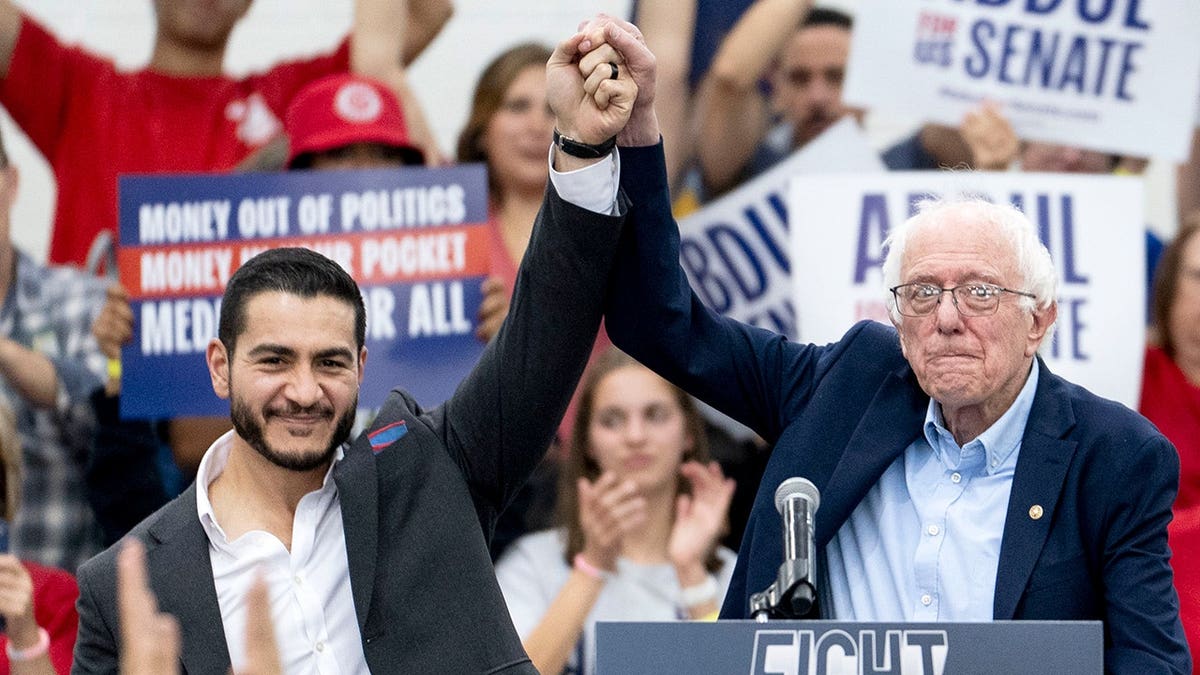
The Michigan Democratic Senate primary presents a stark ideological divide between two key candidates: moderate Haley Stevens and progressive Abdul El-Sayed. Polling data highlights a division in voter support, with Stevens gaining traction among Black voters and El-Sayed appealing to White and college-educated voters.
This weekend, notable progressive figures such as Sen. Bernie Sanders and Rep. Alexandria Ocasio-Cortez are scheduled to support El-Sayed on the campaign trail. These figures illustrate the support El-Sayed receives from the party’s progressive wing, contrasting with the establishment’s backing of Stevens, which includes notable figures like Sen. Chuck Schumer. Michigan’s primary follows recent victories for progressive candidates in New York and Colorado, drawing national attention as a critical contest in defining the Democratic Party’s future direction.
Democratic strategist Joe Caiazzo emphasized the significance of maintaining the Senate seat in November, stating, “What you’re seeing here are the two opposing forces of the Democratic Party. Both candidates offer very different visions.”
The open Senate seat, following Sen. Gary Peters’ retirement, is a key target for Republicans and a necessary hold for Democrats amid efforts to reclaim Senate majority. The anticipated Republican nominee, former Rep. Mike Rogers, is expected to secure the GOP nomination. The primary has narrowed to a two-way race after state Sen. Mallory McMorrow withdrew her candidacy. Earlier polling showed Stevens leading over El-Sayed following McMorrow’s exit and a recent debate.
El-Sayed, aiming to be the nation’s first Muslim senator, focuses on transformative policies like Medicare-for-all and has criticized key entities such as Immigration and Customs Enforcement. His past comments on Israel have sparked controversy within certain circles.
Stevens is seen as more electable by establishment figures, who fear El-Sayed’s progressive stance might jeopardize a critical seat in a state narrowly won by Trump in the last election. Peters has endorsed Stevens amid these concerns.
The primary has become financially contentious, with significant spending from groups like the United Democracy Project, which supports Stevens and opposes El-Sayed. Sanders highlighted the influence of such groups in his statement on social media, denouncing their impact on politics.
El-Sayed’s potential primary victory could deliver a major statewide win for the far left, impacting the broader Democratic landscape. Still, some experts, such as Matt Bennett from Third Way, caution against overinterpreting the outcome due to Michigan’s unique political dynamics, which include a substantial Arab American population.
Caiazzo also warns against interpreting the primaries as an indication of sweeping change within the party, acknowledging the unique circumstances each election presents.