Federal Reserve Explores Successful Strategies of Wisconsin Tool Maker Snap-on
Kenosha, Wis. — With car owners opting to keep their vehicles longer, there is a notable increase in spending on vehicle repairs. Snap-on, which has been crafting high-quality tools for auto mechanics for over a century, stands to benefit from this trend. According to CEO Nick Pinchuk, “Vehicle repair is one of the great businesses. Everybody’s got to get their vehicles repaired. The garages are humming.” This focus on mechanics has ensured steady growth and profitability for Snap-on, even as other U.S. manufacturers face challenges.
This week, Austan Goolsbee, President of the Chicago Federal Reserve Bank, visited Snap-on’s headquarters in Kenosha, Wisconsin. His goal was to uncover the company’s ‘secret sauce’ behind its success. “It’s interesting to see,” Goolsbee remarked. “Customization is why they get paid a premium and how they still manufacture in America.” Snap-on produces 85,000 different tools, each tailored to specific needs, whether for cars, airplanes, or rocket ships.
Snap-on’s strategy involves being present at the point of work, observing tasks, and creating tools to ease those tasks. Pinchuk explains, “Our philosophy is to be at the point of work, observing it, and figuring out what are the most sticky tasks. And then using those insights to create a tool which will make it easier. People will pay for this.” While Snap-on tools command high prices, they are worthwhile investments for mechanics, helping them save time and complete more repairs.
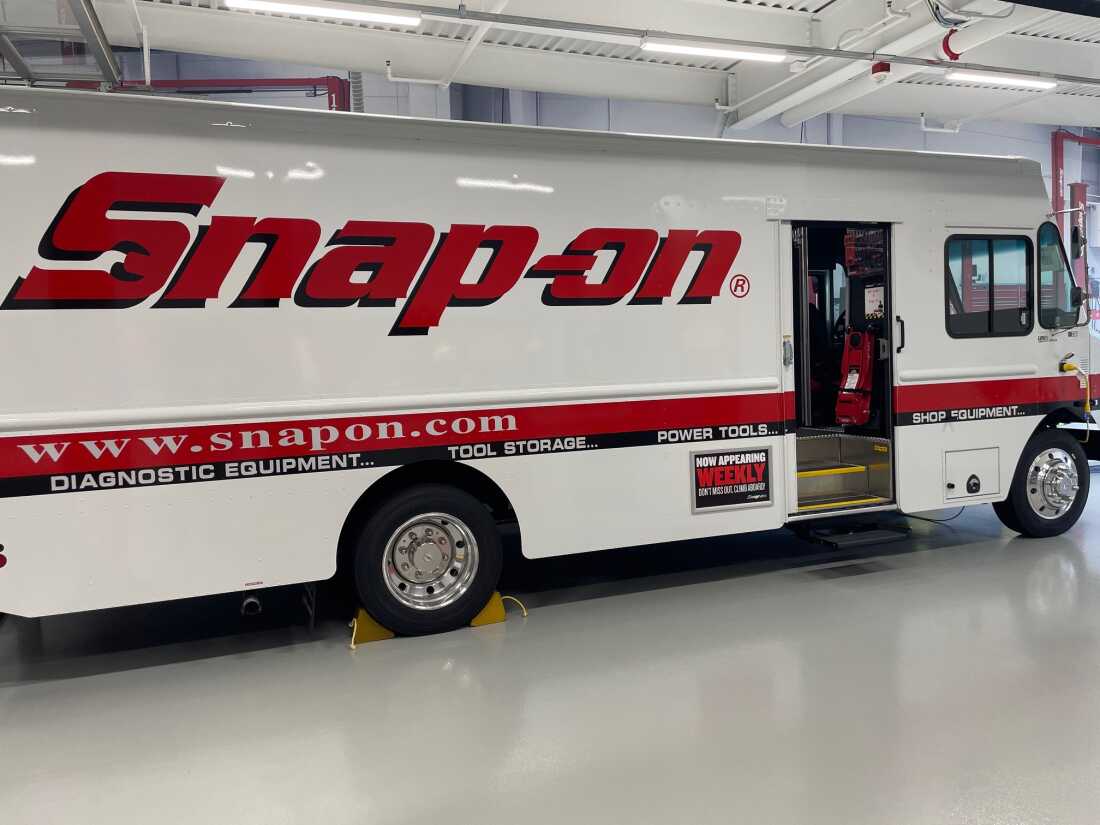
Snap-on franchisees visit neighborhood mechanics weekly in custom company vans. By closely monitoring mechanics at work, they identify potential needs for new tools and provide credit for their purchase. Thanks to these franchisees, Snap-on reaches about a million mechanics weekly.
Manufacturing 80% of its tools domestically grants Snap-on substantial protection from tariffs. To produce such a wide array of tools, the company’s 15 U.S. factories must be highly adaptive, altering models frequently each day. Unlike companies that focus on larger volumes with a narrower product line, Snap-on thrives on specialization. Pinchuk emphasizes, “If there’s a rule in Snap-on that’s irrevocable, it’s that Thou Shalt Not Sell to Do-It-Yourself people. Because it undermines the cachet of the brand. People use Snap-on tools to declare to the world they’re doing something special.”
Snap-on’s marketing strategy fosters deep brand loyalty among generations of mechanics. They are often introduced to Snap-on tools during technical school or apprenticeships, and some even choose to have their ashes stored in miniature Snap-on toolboxes. For Goolsbee, whose Fed district boasts the highest concentration of manufacturing in the Upper Midwest, Snap-on’s approach offers valuable insights into how domestic manufacturers can specialize and succeed, even amidst uncertainty. Goolsbee observes, “They scratch a very, very specific itch. It’s fun to see. This is where productivity growth comes from.”