Impact of USAID Funding Cut on Child Mortality in Africa
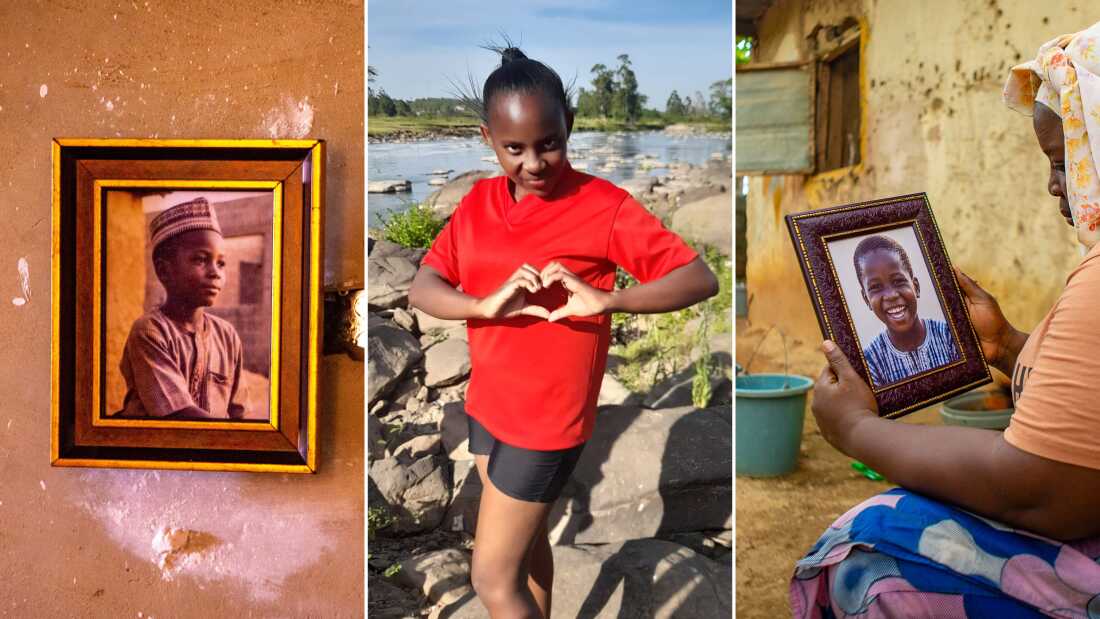
In several African countries, the abrupt cut in funding by the U.S. Agency for International Development (USAID) has been linked to the deaths of three children. The parents of these children, Abdullahi Ibrahim, Purity Wamboi, and Ibrahim Garba, believe the loss of USAID-supported medical services played a crucial role in their deaths.
Abdullahi Ibrahim’s Story
Abdullahi Ibrahim from Nigeria was diagnosed with asthma at the age of five. His condition became serious over time. Originally, necessary medical treatments and medications, made affordable by USAID support, were accessible for the family. Abdullahi’s father, Ibrahim Musa, recalls frequent visits to the hospital which were affordable until USAID funding stopped. Last year, Abdullahi experienced a severe asthma attack, but the family couldn’t access free medication due to the funding cut. Tragically, Abdullahi succumbed to the attack.
The Case of Purity Wamboi
In Nairobi, Kenya, Purity Wamboi was a bright 16-year-old on a school holiday when she began showing signs of illness. Her mother, Rachael Wanjiru, observed severe coughing and chest pains in Purity, unaware of the depth of her daughter’s ailment due to limited awareness and resources. Purity’s illness was initially misdiagnosed as pneumonia. Only after a prolonged struggle did they discover she had tuberculosis. Unfortunately, the delay in accurate diagnosis and treatment coincided with USAID funding cuts, reducing healthcare outreach and support services. Purity did not survive this late treatment attempt.
Ibrahim Garba’s Tragedy
In central Nigeria, 8-year-old Ibrahim Garba fell ill with typhoid fever. Initially, the family obtained free medication thanks to USAID funding. However, a lapse in completing the prescribed treatment led to Ibrahim’s condition worsening. When the family returned for more medications, the free services had ceased due to the dismantling of USAID. Unable to afford further treatment, Ibrahim’s health deteriorated, leading to his death.
Context and Reaction
The U.S. State Department has defended the policy shift, highlighting new memorandums of understanding (MOUs) with African nations as an alternative form of support. These MOUs represent cuts in U.S. funding for health services in nations like Kenya and Nigeria. Experts argue that these abrupt changes disrupted existing healthcare services and trust, leading to negative outcomes.
Children Are the Faces of Consequence
The mourning families believe that if USAID support continued, their children might still be here today. These personal stories highlight the real-world impact of international aid decisions and emphasize the importance of reliable funding for public health.
Photographers David Augustine, Kazeem Olawale Nasiru, and Lameck Nyagudi, as part of The Everyday Projects, have documented these heart-wrenching stories to raise awareness of the consequences tied to sudden funding withdrawals.