The Complex Relationship Between the U.S. and Venezuela
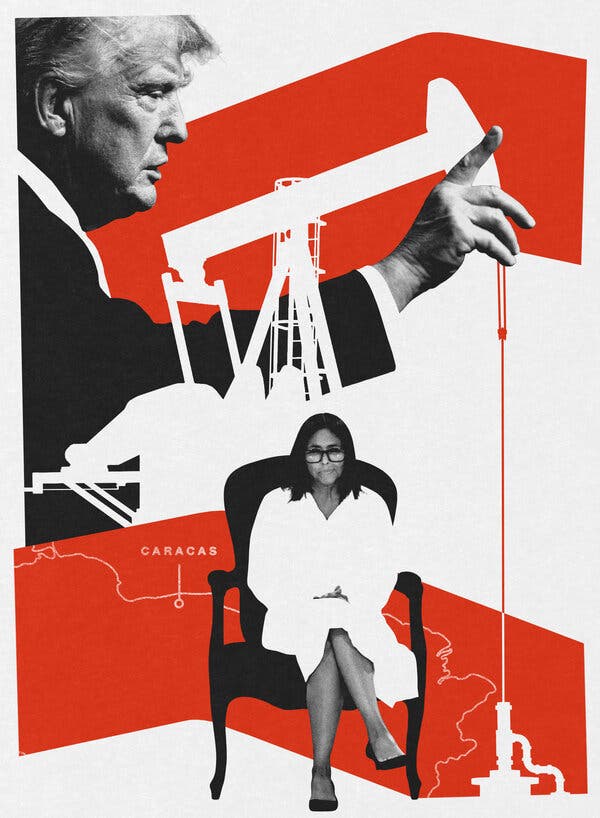
The recent capture of President Nicolás Maduro by U.S. Special Forces has led to marked changes in Venezuela’s political and economic landscape. Since January, American officials and oil executives have frequently visited Caracas, echoing historical instances of foreign administration. Their involvement has sparked comparisons to colonial practices.
The Times highlighted that Secretary of State Marco Rubio directs Venezuela’s acting president, Delcy Rodríguez, through direct communication, influencing government decisions and access to oil revenues. This includes advising on personnel changes, favoring U.S. companies, and postponing democratic elections until economic recovery.
Observers note Venezuela’s new status with descriptions like a puppet regime or American protectorate. Economist Carlos Mendoza Potellá comments on the loss of national sovereignty, stating that decisions now originate from President Trump and his representative, Marco Rubio. However, traditional sovereignty indicators—government, territory, population, international relations—are still in place. Some 900 American troops assist with earthquake recovery but don’t constitute occupying military forces.
Javier Corrales from Amherst College states that Venezuela has surrendered significant economic control to the U.S., raising questions about its sovereignty. It reflects a modern approach where formal occupations are replaced by indirect control for reasons of cost and legality, as noted by Tom Long, an international relations professor at the University of Warwick.
Sovereignty has evolved from an indivisible concept to a „bundle of rights,“ subject to division and delegation. Small states outsource governance to foreign powers when local capabilities fall short. Examples include British oversight of customs in Angola, Australian policing in the Solomon Islands, and IMF involvement in state functions. Initiatives like China’s Belt and Road extend influence, just as the EU represents a sharing of sovereignty.