Rising Tick-Borne Diseases and Their Dangers
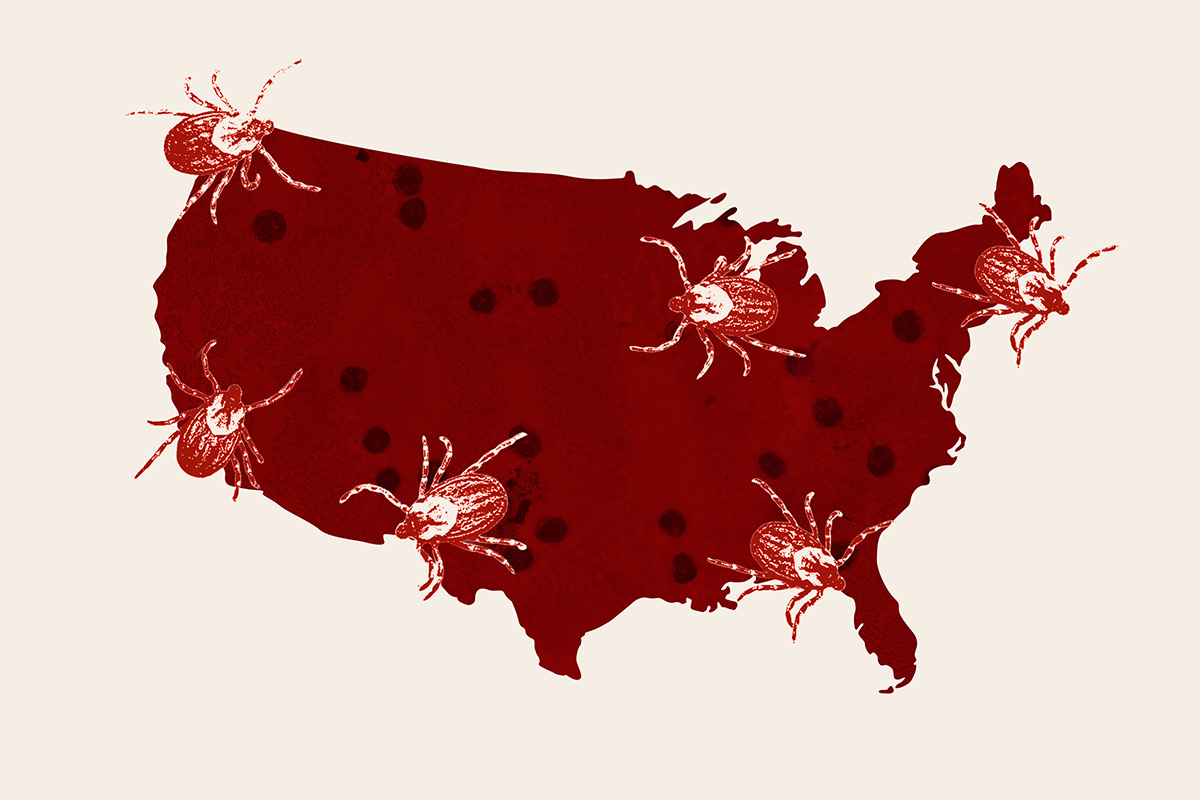
As summer continues, the spread of diseases by ticks is becoming a significant concern. Many of these diseases are unfamiliar to most Americans, with health experts likening some to Lyme disease in terms of public health risk. Doctor Natasha Wyndham Hanners, an infectious disease specialist, has highlighted the increase in ‘vector-borne’ illnesses due to regional climate changes and the expansion of tick habitats. Improved travel and diagnostic methods are also uncovering new organisms or revealing their presence in new areas.
Public health experts are focusing on how orthonairoviruses, a family of tick-borne viruses, evade the human immune system. This development, coupled with the tracking of ticks spreading new pathogens, suggests an expanding map of tick-borne illnesses in the U.S.
Three Tick-Borne Diseases to Know
Anaplasmosis: Spread by the blacklegged deer tick, this bacterial infection causes fever, headache, chills, and muscle aches. Unlike Lyme disease, it does not produce a bull’s-eye rash, making diagnosis challenging without blood tests.
Orthonairoviruses: This group includes the Crimean-Congo hemorrhagic fever virus, known to cause severe human hemorrhagic disease. Recent research shows these viruses can evict the immune system’s warning signals, helping them avoid detection.
Nairoviruses: Identified as tick-borne pathogens, these include orthonairoviruses. The PCTNV nairovirus, found in the Pacific Coast tick, has shown efficient immune evasion, raising concerns about human exposure risk.
The Virus That Hides From the Immune System
A University of California study reveals how orthonairoviruses suppress immune responses. Researchers studied viral proteins known as OTUs, which remove immune-signaling molecules like ubiquitin and ISG15 from human cells. These molecules usually alert the immune system to an infection. Without them, the immune system fails to respond. Tests showed the enzyme from the Pacific Coast tick’s virus was particularly effective at removing signals, suggesting potential human exposure. Scott Pegan, a study author, emphasized the importance of recognizing tick types due to their disease-carrying potential.
An Old Disease Expanding to New Regions
Anaplasmosis, transmitted by the blacklegged deer tick, is extending its reach. Craig Bober, a physician, noted the disease’s spread, emphasizing its symptom overlap with Lyme disease. Blood tests are crucial for proper treatment as symptoms include fever, headache, and muscle aches, without the distinctive Lyme rash.
The Asian longhorned tick, first detected in the U.S. in 2017, is another concern, now found in several states. It can transmit SFTS, although human infection is rare, prompting calls for increased awareness.
Preventive Measures
Doctors suggest wearing long sleeves, tucking pants into socks, and using EPA-registered repellents with DEET, picaridin, or IR3535 when outdoors. Treat clothing with permethrin and shower within two hours of being outside to remove unattached ticks. Check the body, especially areas like the scalp and behind the ears. If a tick is found, remove it with tweezers and consult a physician if symptoms develop.
Reference: Gonzalez, D. S., et al. (2026). Insights into the Structure and Function of the OTU Protease Virulence Factors from Emerging Human Nairoviruses. ACS Infectious Diseases.
Contact Newsweek editors on this report: Kara Dolman and Emma Lee-Sang.