The Role and Impact of Prediction Markets in Modern Society
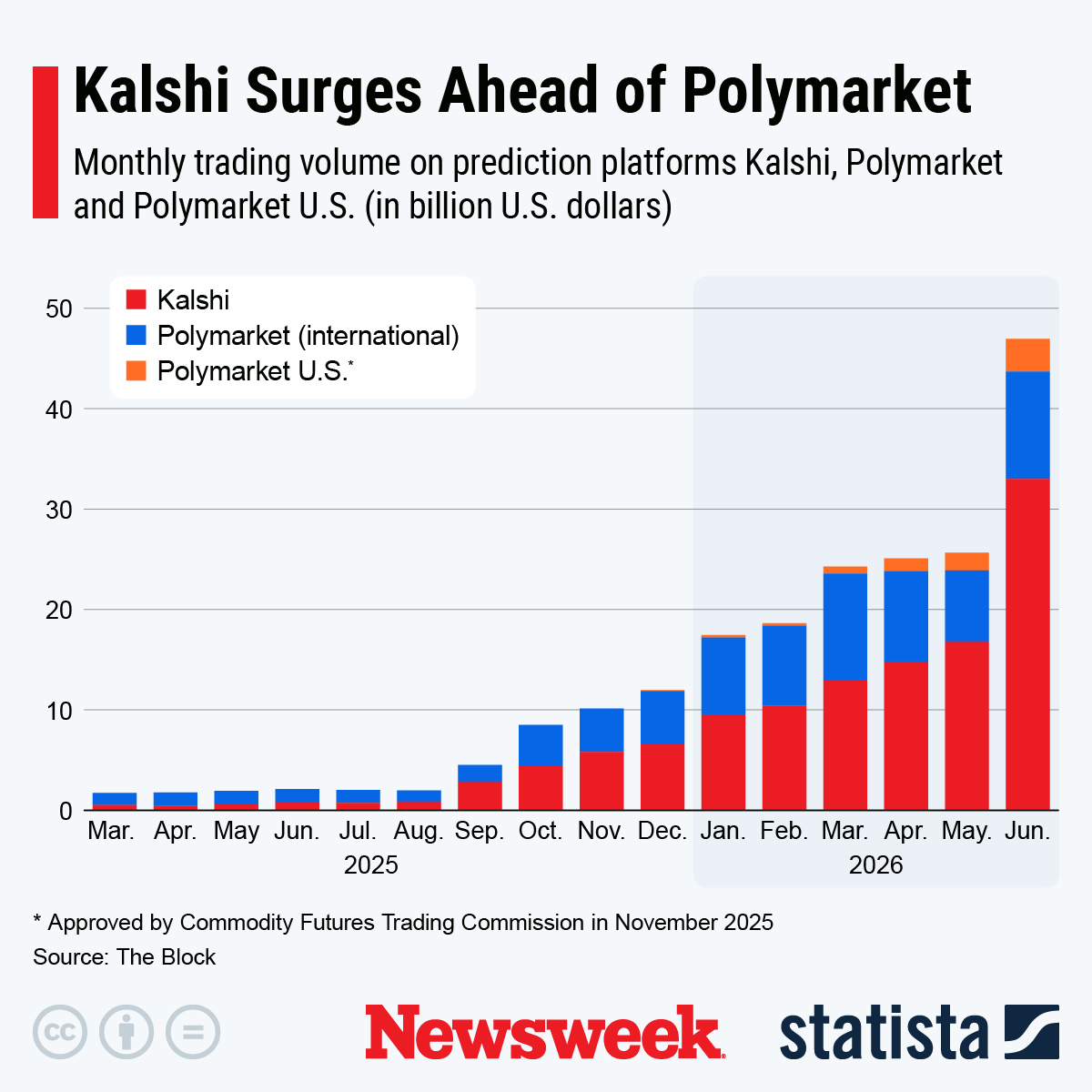
Recently, it was reported that a White House employee was placed on unpaid leave due to accusations of betting on the content of Donald Trump’s speeches. This incident highlights the broader implications of prediction markets such as Kalshi and Polymarket, which have gained notoriety as platforms for gambling and possibly insider trading. But these markets could extend beyond trivial matters like presidential speech details to matters of national importance, including election outcomes or military operations.
Prediction Markets: A Source of Information
While insider trading remains unethical, prediction markets have introduced a level of transparency to practices that were once exclusive to the elite. Previously, wealthy individuals and high-ranking politicians could profit from inside information, leaving the public largely uninformed. Prediction markets, by contrast, create visible traces of such information.
For example, a staffer making an overconfident bet could expose misinformation from government briefings to a wider audience. This visibility was evident when Special Forces soldier Gannon Ken Van Dyke was indicted for insider trading, having reportedly used classified intel on a U.S. operation to capture Venezuelan President Nicolás Maduro.
The transparency provided by these markets could reveal government actions or intent before they officially unfold. With increased activity, state secrets become difficult to keep, especially when prediction markets potentially put a price tag on this information.
Comparison with Traditional Polling
Unlike polls that gauge public sentiment, prediction markets involve risking money based on potential outcomes. The real distinction lies in their speed. Polling is an important tool, particularly for understanding political matters, but it operates slower than the rapid pace of digital information. The immediate consequences of viral clips or data leaks can influence public opinion before polls react.
Research shows that prediction markets might offer greater accuracy. For example, Polymarket outperformed conventional polling in predicting the 2024 Presidential Election results, especially in swing states. While further research is needed to fully validate this, keeping an eye on prediction markets during major political events might offer more reliable insights than traditional media sources.
Broader Applications and Concerns
Prediction markets offer potential uses beyond political and economic forecasting. They could improve the accuracy of climate predictions, which often suffer from biases and vested interests. If prediction markets encourage honest forecasting, they could align incentives better by rewarding accurate predictions over appealing reports.
Yet, while these applications offer promise, they also pose ethical dilemmas. Congress has prohibited Senators from prediction market betting, with speculation that broader regulations may follow. Could prediction markets be used by governments to enact strategic manipulation? This remains an important question, especially considering how entities might use these platforms to gauge and influence adversary actions.
In summary, prediction markets present potent tools that require careful usage. They have the potential to reveal truths obscured by biases, but they must be approached with caution, as misuse can easily distort reality. Observers must remain vigilant to ensure ethical use and transparency.