Weight Loss via GLP-1 Drugs Boosts Social and Economic Outcomes for Women
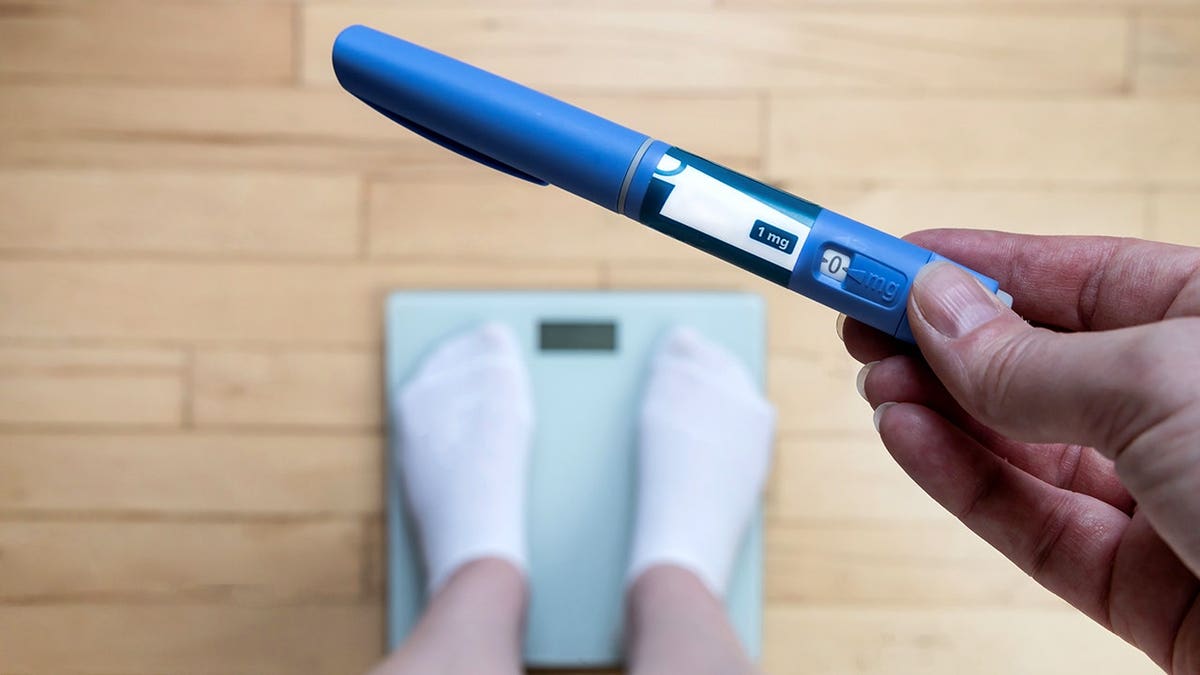
A recent study indicates that GLP-1 medications for weight loss may influence some women’s social and professional circumstances. Rebecca Diamond, an economics professor at Harvard University, published research linking these medications to changes in women’s social and economic outcomes.
Research Overview
Diamond utilized data from the Understanding America Study by the University of Southern California to compare women who started taking GLP-1s for weight loss against those planning to start. The study examined factors like body mass, health, income, employment, partnership status, and overall well-being before and after treatment.
The research concentrated on women since they are more frequent GLP-1 users than men. Those using such drugs for diabetes were not part of the study as their drug use is driven by medical necessities.
Study Findings
The findings revealed that women who achieved weight loss with GLP-1 medications experienced changes in various life aspects, including employment and relationship status. According to the study, single women saw a 29% rise in marriage and cohabitation over roughly 18 months.
In the same timeframe, job prospects improved by 27% for unemployed women at the study’s start. However, those already employed showed no notable advancement in their careers through weight loss.
Societal Impacts
“The findings say more about societal bias than about the medication itself,” a doctor suggested. (iStock)
Dr. Peter Balazs, a hormone and weight-loss expert, commented on the study results. He noted that effects surfaced during ‘new match’ scenarios, such as job interviews or dating, rather than within existing jobs or relationships, underscoring societal biases.
His patients often report increased confidence after weight loss, enhancing interview performance and networking opportunities. Dr. Krishna Vyas, a plastic surgeon, mentioned that post-weight loss, many patients re-engage with life, seeking further physical improvements.
Factors Influencing Well-being
Weight loss commonly boosts confidence, potentially leading to more business and relationship openings. Hormonal changes and related metabolic and psychological relief can contribute as factors, too.
Despite improvements in marriage and employment, the study reported no clear enhancement in life satisfaction, depression, or loneliness. “The opportunities opened, yet the women didn’t report feeling better,” observed Dr. Vyas, illustrating how changes may stem from altered perceptions of ‘gatekeepers’ rather than personal growth.
Study Limitations and Observations
Since the research is observational rather than a randomized clinical trial, it shows an association, not causation. The paper is preliminary and not peer-reviewed. The focus on women suggests another potential bias, said Balazs, who is curious if similar outcomes would be found if men were included.
Much of the study’s data is self-reported, adding to potential inaccuracies. Outcomes like salary changes for newly employed individuals remain unclear. Though the research highlights improved outcomes, enhanced life satisfaction remains questionable.